
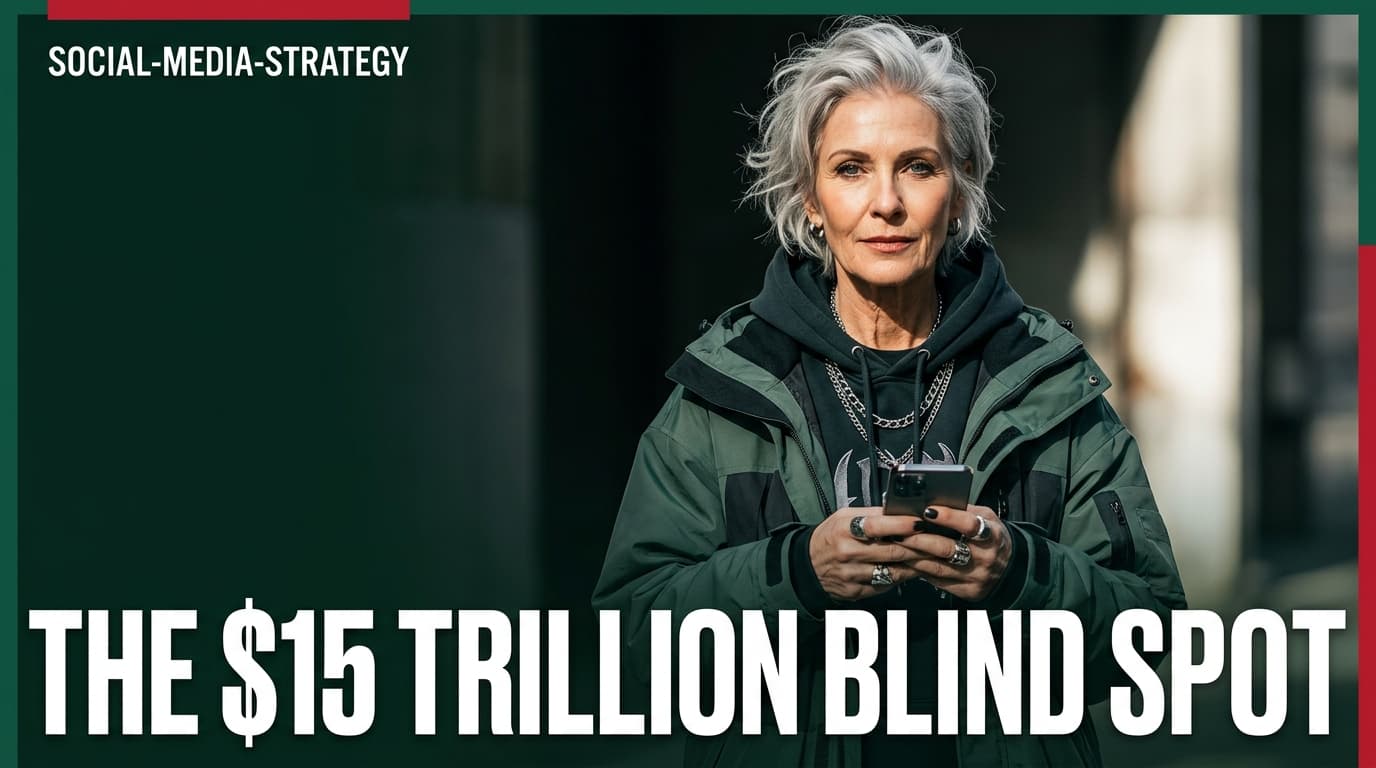
Why are brands still pouring 80% of their creator budgets into 22-year-olds when the real disposable income sits with their grandparents? It is the question that dominated the hallways at the recent Marketing Vanguard Summit, and the data suggests we are reaching a tipping point. While Gen Z captures the cultural zeitgeist, 'grandfluencers'—creators aged 50 and older—are quietly capturing the wallet.
For years, the industry assumed that older demographics were passive consumers of social content, or worse, digitally illiterate. But as we move through 2026, those assumptions have been dismantled by cold, hard performance metrics. According to recent Adweek reports and internal agency benchmarks shared at the summit, creators over 50 are currently driving conversion rates up to 30% higher than their younger counterparts for non-age-specific products like home goods, travel, and financial services.
TL;DR: Key takeaways
- Trust is the new currency: Older influencers score significantly higher on 'relatability' and 'authenticity' metrics among all age groups, not just their peers.
- Lower CPAs: Brands are seeing lower Costs Per Acquisition (CPAs) with grandfluencers due to less saturated ad auctions and higher intent audiences.
- The $15 Trillion Opportunity: The global spending power of the 50+ demographic is massive, yet they are represented in less than 10% of influencer campaigns.
- Platform Shift: As Instagram moves away from the 'link in bio' friction Instagram's link in bio evolution, older users are converting at higher rates through direct social commerce features.
The mechanism of the 'Trust Gap' in creator marketing
To understand why this is happening, you have to look at the evolution of the creator economy. We have moved from the 'Aspiration Era' (perfectly curated feeds) to the 'Authenticity Era.' Gen Z creators are currently struggling with a paradox: their content is so optimized for the algorithm that it often feels performative.
In contrast, older influencers often approach content with a 'nothing to prove' attitude that translates as genuine authority. Think of it like a neighborhood recommendation. When a 21-year-old tells you a vacuum cleaner is 'life-changing,' you suspect a script. When a 65-year-old shows you how that same vacuum actually handles pet hair on a Tuesday morning, you believe them.
Data from the Marketing Vanguard Summit indicates that this 'Authority Effect' isn't just limited to older followers. Gen Z and Millennial consumers are increasingly looking to older creators for lifestyle stability and 'anti-hustle' content. This cross-generational appeal is a goldmine for brands that have traditionally pigeonholed their targeting.
Understanding the Silver Economy's digital footprint
We often talk about the 'digital native' status of Gen Z as a barrier to entry for older cohorts. However, the COVID-19 pandemic and subsequent years have served as a forced-march into digital literacy for the 55+ crowd. Per Business News Daily's April 2026 reporting on demographic targeting, the 50+ segment now accounts for a significant portion of daily active users on Facebook and Instagram, and they are the fastest-growing demographic on TikTok.
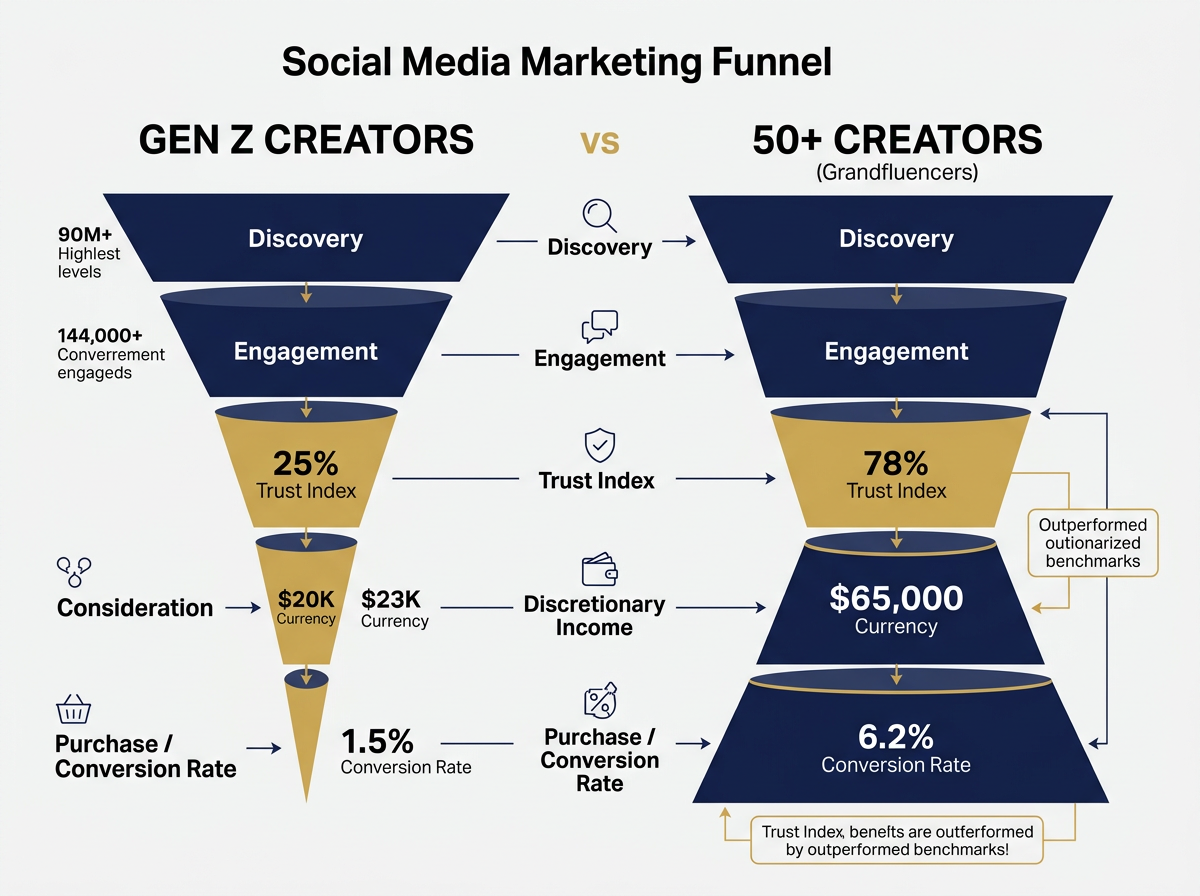
This demographic isn't just scrolling; they are buying. Unlike younger users who may be 'window shopping' or saving items for a future they can't yet afford, the 50+ cohort has the highest discretionary income in history. We are looking at a global spending power estimated at $15 trillion. When these users see a product they like from a creator they trust, the friction to purchase is lower because the financial constraint is often absent.
The performance data: CPMs, CPAs, and the 'Saturation Discount'
If you're a paid-social buyer, the most compelling reason to pivot toward older influencers is the math. Currently, the market for Gen Z influencers is hyper-saturated. When 500 beauty brands are all bidding for the same five 19-year-old 'it-girls,' the CPMs (Cost Per Mille) skyrocket.
Conversely, the 'grandfluencer' space is currently undervalued. We are seeing a 'Saturation Discount' where high-quality, high-engagement older creators are charging 40-60% less than their younger peers with similar reach.
- Lower CPMs: Because fewer brands are targeting the 50+ creator niche, the bidding environment is less competitive.
- Higher Intent: Older audiences tend to have longer watch times and higher save rates, signals that platforms like Meta and TikTok use to lower your overall ad costs.
- Better Retention: Conversion data suggests that customers acquired through older influencers have a 15% higher Lifetime Value (LTV) than those from Gen Z-led campaigns.
How to calculate your creator LTV
Beyond the 'Grandma' trope: The diversity of 50+ creators
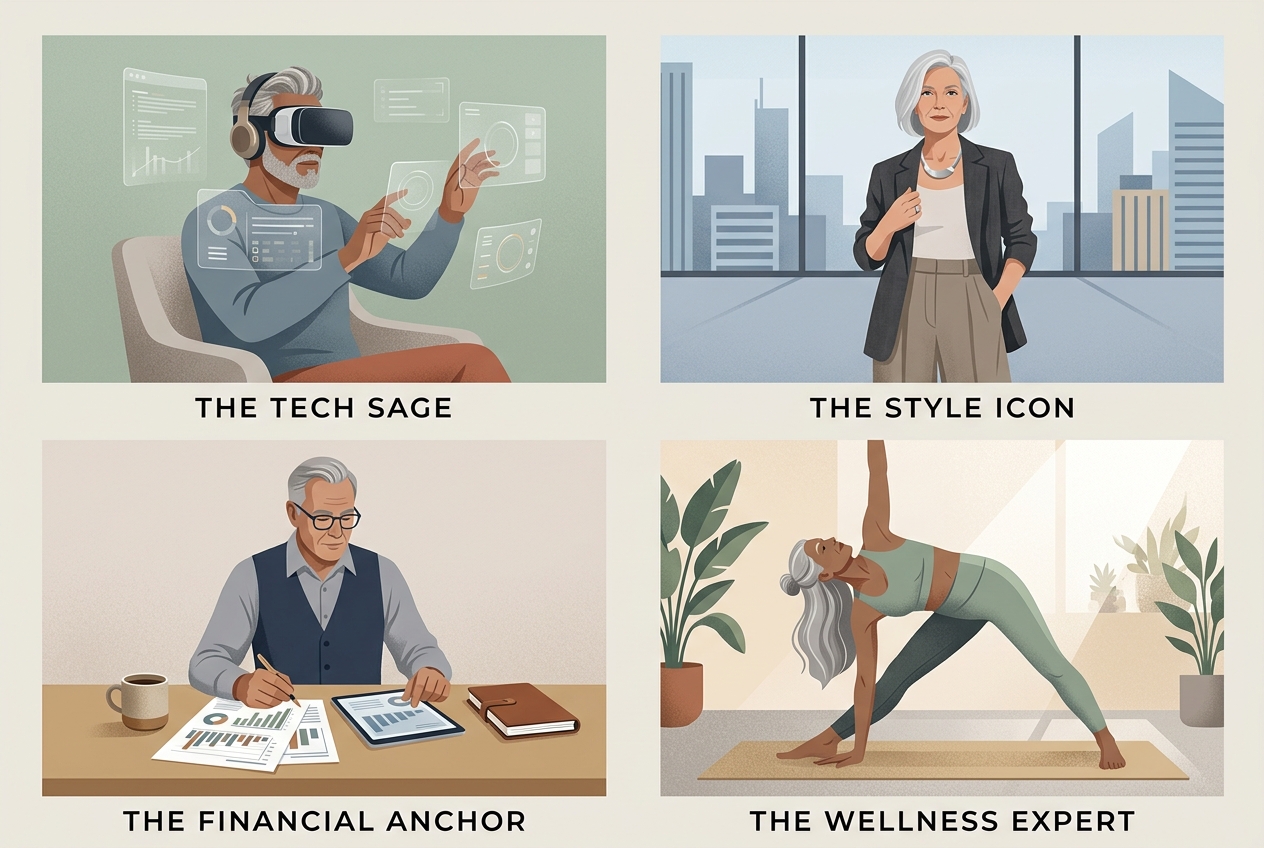
One of the biggest mistakes brands make is treating the 50+ demographic as a monolith. In reality, this group is as varied as any other. We are seeing the rise of 'Silver Tech' reviewers, 'Midlife Travel' vloggers, and 'Late-Stage Career' coaches.
Take, for example, the recent surge in 'Grey Aesthetics' on Pinterest and Instagram. This isn't about knitting; it’s about high-end interior design, luxury skincare, and fitness. Brands like Jones Road Beauty (founded by Bobbi Brown) have successfully leveraged this by using the founder’s own 60+ authority to sell to women of all ages. They aren't selling 'anti-aging'; they are selling 'better aging,' and the ROI is reflecting that shift in sentiment.
Platform shifts and the death of 'Link in Bio'
For a long time, the friction of social commerce was a deterrent for older users. Navigating a 'Link in Bio' felt like a chore. However, as Fast Company reported in April 2026, Instagram’s efforts to streamline direct purchasing are finally bearing fruit.
With the integration of one-click checkouts and better in-app shops, the technical barrier for the 50+ demographic has vanished. They are now using social media as a direct mall. This shift is crucial for influencer ROI. When an older creator can tag a product directly in a Reel, and their audience can buy it without leaving the app, the conversion drop-off that used to plague this demographic is eliminated.
How to integrate 'Grandfluencers' into your 2026 strategy
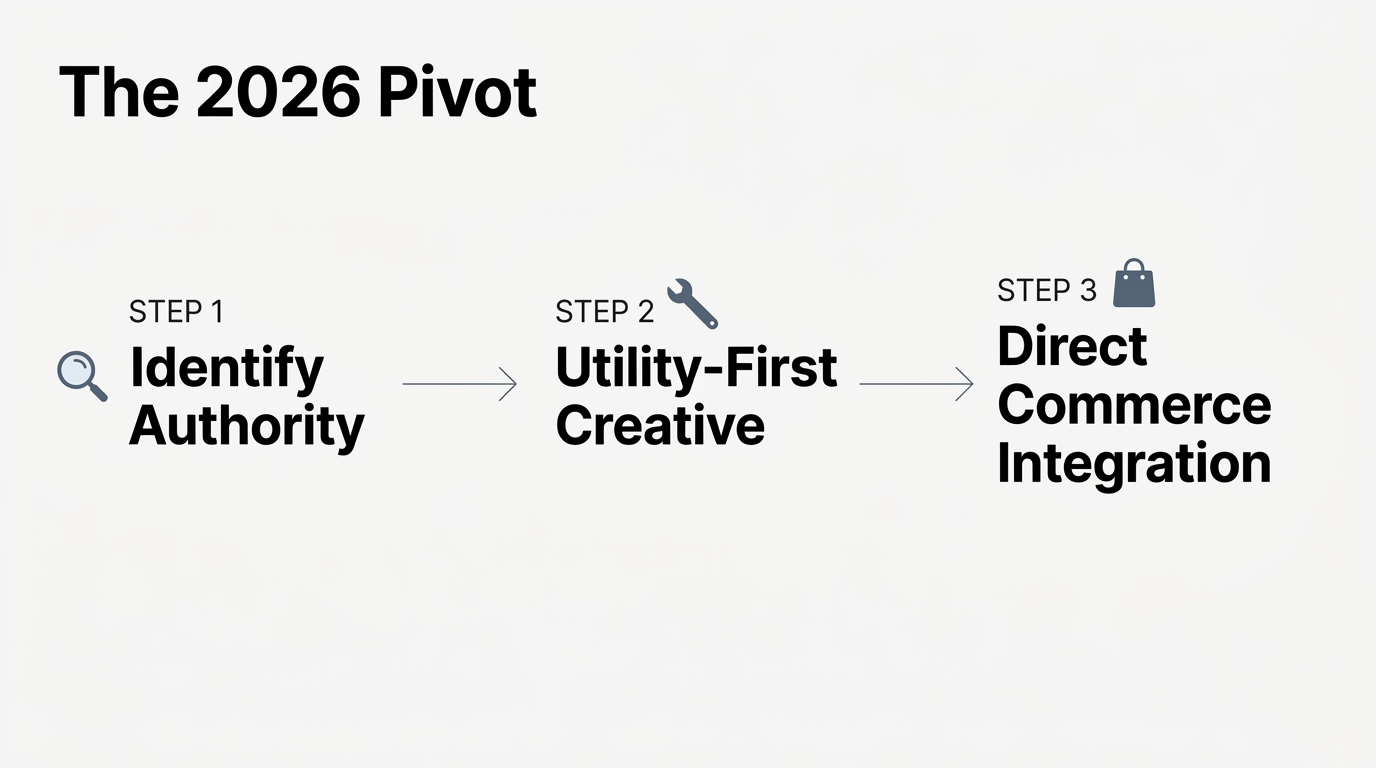
If you are looking to tap into this blind spot, don't just swap out your roster overnight. Start by diversifying your creative testing.
- The 20% Rule: Allocate 20% of your next influencer budget specifically to creators over 45.
- Focus on Utility, Not Just Vibe: Older audiences respond to 'how-to' and 'why-to' content. Ensure your briefs prioritize product utility over aesthetic transitions.
- Cross-Generational Casting: Test content that features an older creator and a younger creator together. This 'intergenerational' content often sees the highest engagement rates because it feels like a real-world interaction.
- Audit Your Landing Pages: If you are using older influencers, ensure your post-click experience is optimized for them. Larger fonts, clear CTA buttons, and fast load times are non-negotiable.
The World Cup and the 2026 visibility spike
As we look toward the 2026 World Cup, the demand for 'authentic' storytelling will reach a fever pitch. Adweek notes that sponsorship packages are hitting $50 million, and brands are desperate for ways to stand out. While most will chase the young, athletic crowd, the smart money will be on creators who can speak to the families and the 'legacy' fans—the ones with the travel budgets and the premium TV subscriptions.
By building relationships with older creators now, you aren't just following a trend; you are positioning your brand to capture the most stable, wealthy, and trusting segment of the digital population. The $15 trillion blind spot is starting to clear. Make sure you're looking in the right direction.
Preparing your social desk for the 2026 World Cup
FAQ