
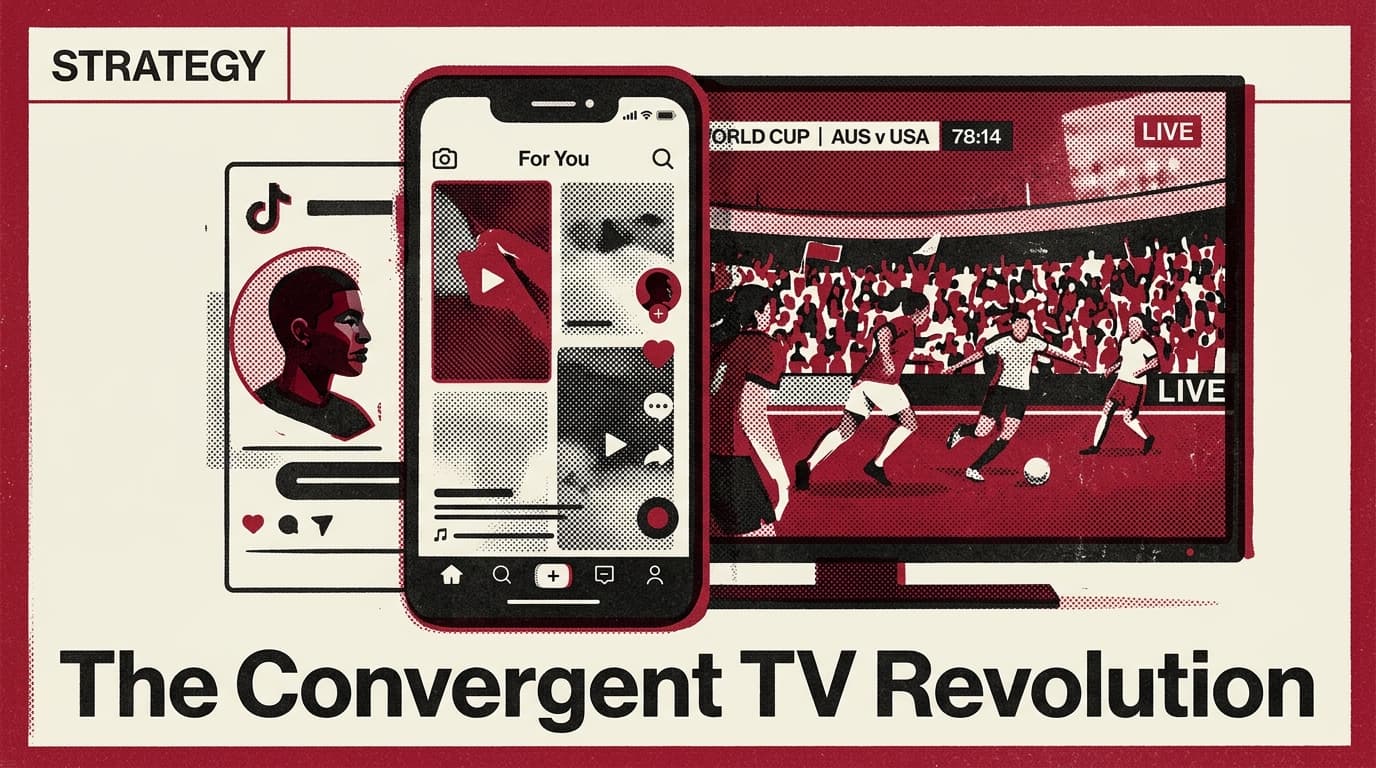
Netflix has officially secured a 150% increase in upfront ad commitments for the 2025-2026 season compared to the previous year, signaling a definitive shift in how streaming giants compete for linear-style budgets. The surge, confirmed following the platform's latest partner negotiations, centers heavily on high-stakes live sports, including the exclusive global rights to the FIFA Women's World Cup and NFL Christmas Day games. For social media buyers, this isn't just a television story—it is a cross-channel mandate.
Why it matters: As Netflix transitions from a pure-play SVOD service to a massive ad-supported ecosystem, social media teams are being pulled into the 'convergent' buying process. You are no longer just managing a TikTok budget; you are managing a frequency cap that spans from a user's mobile feed to their 65-inch living room screen during a live sports broadcast. Failure to align these touchpoints leads to the exact creative fatigue that kills campaign ROI.
Key takeaways
- Sports is the Glue: Netflix’s live sports inventory (FIFA, NFL) acts as the primary anchor for convergent buys, requiring social creative that mirrors the 'live' energy of the broadcast.
- Measurement Consolidation: With Nielsen’s $2B acquisition of DoubleVerify (per Adweek, August 2026), the 'arbiter of truth' for cross-platform reach is shifting, making independent verification more critical than ever.
- Frequency Discipline: Social teams must use Netflix's first-party data to suppress ads for users who have already seen the 30-second spot during the stream to avoid negative brand sentiment.
The Netflix Ad Sales Commitments: Beyond the Pre-Roll
The scale of Netflix's latest upfront success isn't just about volume; it’s about the nature of the inventory. Unlike the early days of 'Basic with Ads,' the current commitments are anchored in eventized viewing. When a brand buys into the FIFA Women's World Cup on Netflix, they aren't just buying impressions; they are buying cultural moments.
For the social media manager, this creates a 'halo effect' requirement. If your brand is running a high-production spot during the semi-finals, your TikTok and Instagram Reels content cannot feel like a disconnected afterthought. We are seeing a shift where the social desk is now responsible for the 'second screen' experience that keeps the conversation going after the whistle blows.
This convergence is also a response to the ongoing struggle to prove social media ROI. As noted by Revista Merca2.0 in August 2026, social media marketing often generates massive visibility that doesn't always translate to demonstrable sales. By tying social spend to a Netflix live event, marketers can bridge the gap between 'visibility' and 'intent' through high-impact, multi-touch attribution models.
[INTERNAL: How to measure social media ROI in the post-cookie era -> social-roi-measurement-guide]
Aligning TikTok Creative with FIFA Women's World Cup Slots
The biggest mistake you can make in a convergent strategy is using the same asset for Netflix and TikTok. The 'Golden Rule' of 2026 advertising is: The platform dictates the vibe, but the event dictates the hook.
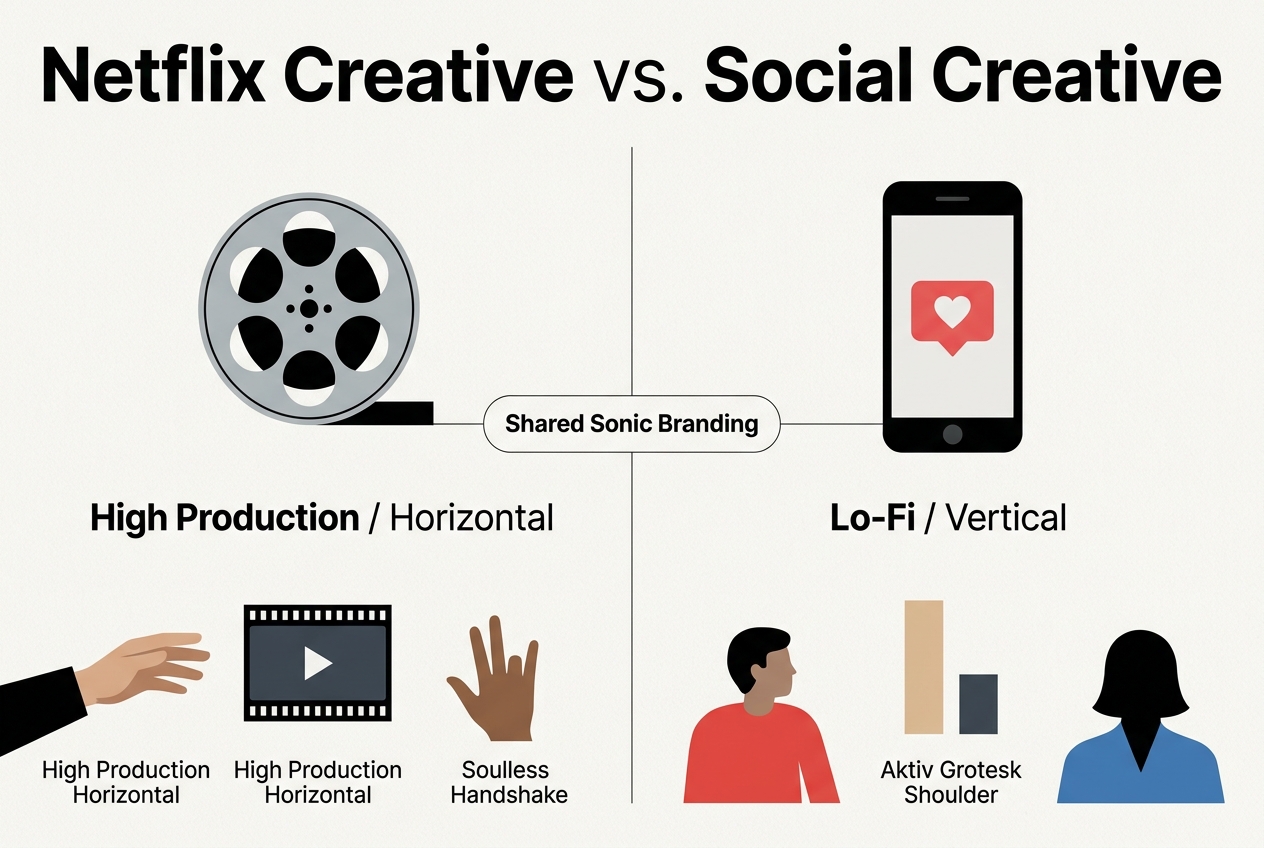
For the FIFA Women's World Cup, your Netflix creative is likely a polished, 30-second brand story. Your TikTok creative should be the 'behind-the-scenes' or 'reaction' counterpart. Think of it as the difference between the game broadcast and the post-game locker room interview.
The 'Bridge' Strategy
- Visual Continuity: Use the same talent or color palette across both. If your Netflix spot features a specific athlete, that athlete should appear in a lo-fi, vertical format on TikTok within the same 24-hour window.
- Audio Cues: Use the same sonic branding. A specific jingle or sound effect used in the Netflix ad can serve as the 'hook' that stops the scroll on social, triggering subconscious brand recall.
- Interactive Overlays: Use TikTok’s interactive add-ons to poll viewers about the live game they are currently watching on Netflix. This creates a feedback loop that increases engagement rates by double digits compared to standalone social ads.
Navigating the Measurement Minefield: Nielsen and DoubleVerify
As you scale these convergent buys, the question of 'who is counting' becomes paramount. The recent $2B deal between Nielsen and DoubleVerify has sent ripples through the agency world. According to Adweek, this consolidation is putting 'ad measurement independence to the test.'
For social buyers, this means you need to be wary of 'walled garden' reporting. Netflix provides robust first-party data, but when you are trying to deduplicate reach across Netflix, TikTok, and YouTube, you need a neutral third party. The Nielsen-DoubleVerify entity aims to be that arbiter, but the concern remains: does consolidation lead to less transparency?
When managing a convergent buy, you should demand 'co-viewing' metrics from Netflix. Unlike social media, where one device usually equals one person, Netflix is often a group activity. If you are not accounting for the 2.5x multiplier of co-viewing on the big screen, your cross-platform frequency calculations will be fundamentally flawed.
The impact of Nielsen's DoubleVerify acquisition on agency workflows
Non-Linear Targeting: The New Social Playbook
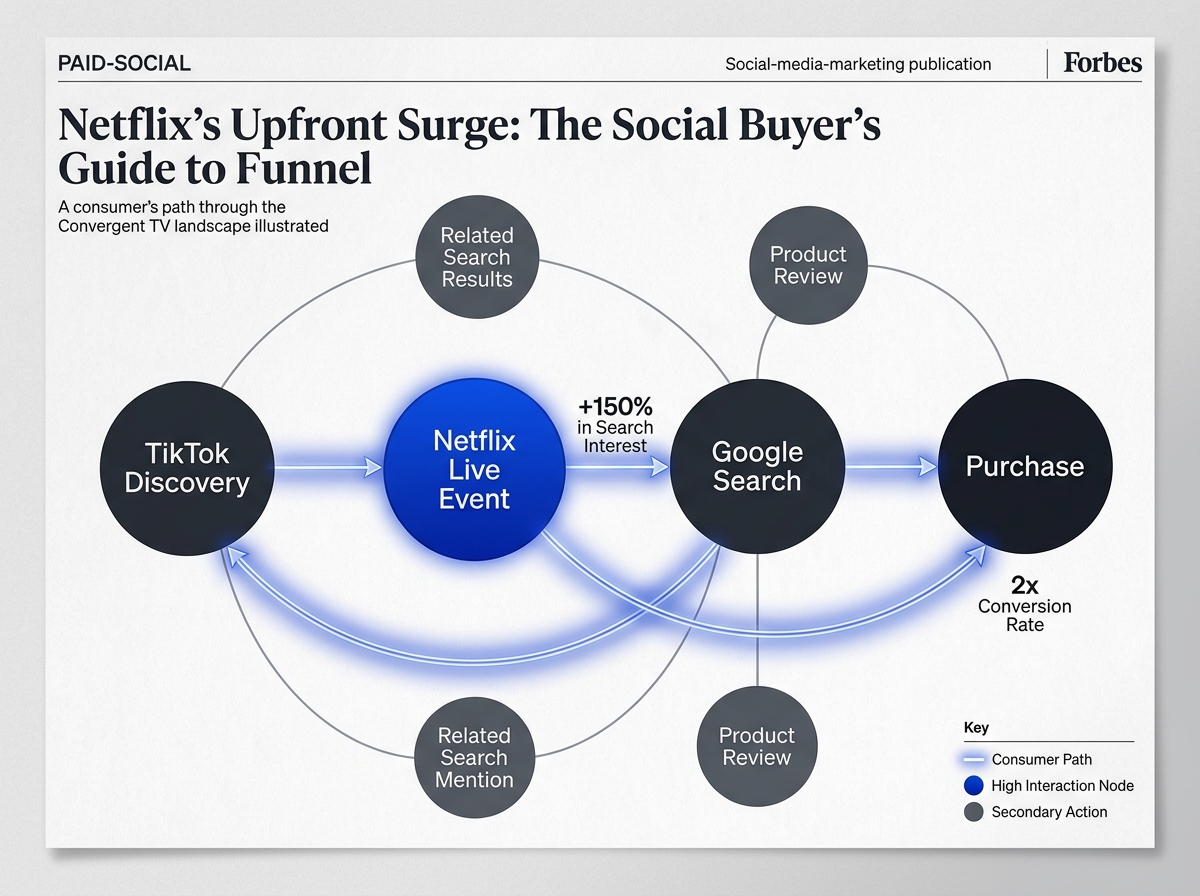
We are moving away from linear funnels. A user might see a social ad, search on Google, and then finally convert after seeing a Netflix spot. This is what Search Engine Journal calls 'mastering non-linear targeting.' In their August 2026 analysis, they highlighted how adjacent segments—like targeting 'sports documentary fans' on Google to reach 'FIFA viewers'—can drive higher ROI than direct keyword targeting.
For social teams, this means your targeting parameters should be 'audience-first,' not 'platform-first.' If you are buying Netflix slots for a luxury skincare brand during a hit series like Bridgerton, your social targeting should focus on 'period drama enthusiasts' and 'high-end beauty consumers' across Meta and Pinterest simultaneously.
Frequency Without Fatigue: The Convergent Sweet Spot
The greatest risk of the Netflix upfront surge is over-saturation. If a user sees your ad three times during a movie and then five times in their Instagram feed, you aren't building brand equity; you are building resentment.
To avoid this, social buyers must implement 'recency caps.' If a user has engaged with a high-impact Netflix placement, you should pivot your social creative from 'awareness' to 'consideration' or 'retargeting' within a 48-hour window. Don't show them the same 'Hello, we exist' message. Show them a 'Here is why you need us' message.
As MarketBeat noted in their August 2026 report on social media stocks, the platforms that win will be those that integrate most seamlessly into the broader media mix. Netflix is no longer an island; it is the new anchor of the digital living room.
What to Watch Next: The 2027 Outlook
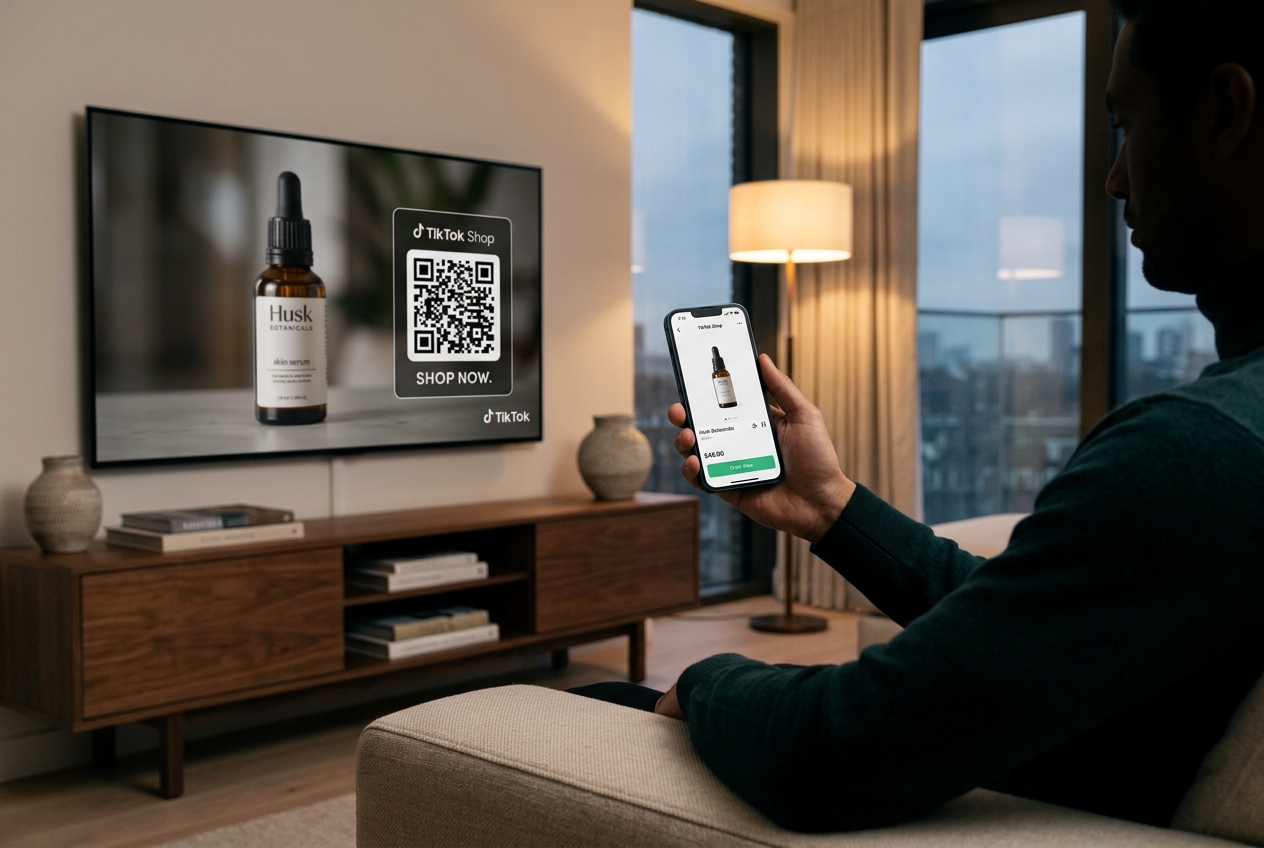
As we look toward the next broadcast year, expect Netflix to introduce more 'shoppable' formats that tie directly into social commerce. The integration of 'Buy Now' buttons within the Netflix UI, synced with a user's TikTok Shop or Instagram Shop profile, is the logical next step.
For now, your job is to ensure that the social desk and the TV desk are no longer speaking different languages. The budget is convergent; the creative must be, too.
Conclusion: The New Mandate for Social Leads
The doubling of Netflix's ad commitments is a wake-up call. The 'social-only' strategist is becoming a relic. The future belongs to the 'convergent' strategist—someone who understands the cinematic reach of a 30-second Netflix spot and the surgical precision of a TikTok Spark Ad. Start by auditing your current sports-adjacent creative. If it feels like it belongs in 2023, it won't survive the 2026 Netflix surge.
FAQ