
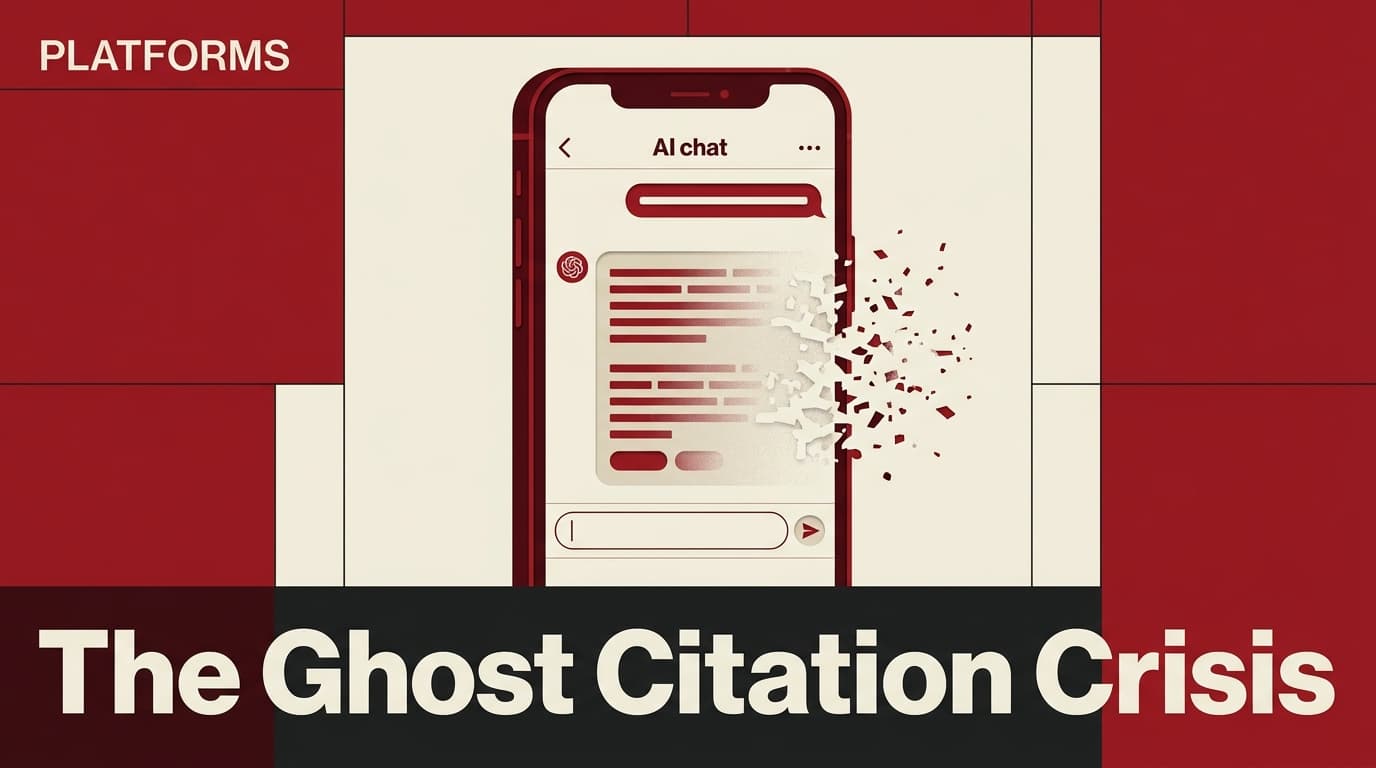
A new analysis of generative search behavior reveals that nearly 40% of brand-led insights surfaced by AI engines fail to credit the original source by name. The study, tracking over 50,000 queries across ChatGPT, Perplexity, and Google's Search Generative Experience throughout July 2026, highlights a growing 'ghost citation' crisis where proprietary data is utilized while the brand identity remains invisible to the end user.
For social media marketers and brand strategists, this represents a fundamental shift in how we measure reach. If a user asks an AI for the 'best TikTok ad platforms for creative speed' and the response paraphrases your internal white paper without naming your agency, the marketing funnel breaks at the very top. You've provided the value, but the AI has captured the brand equity. This isn't just an SEO problem; it's a total erosion of the brand-attribution loop that drives downstream follows, newsletter signups, and conversions.
The Extraction Economy: Why AI Strips Brand Identity
The mechanics of Large Language Models (LLMs) favor efficiency and synthesis over citation. When an engine like Perplexity or ChatGPT processes a query, it doesn't just 'find' a link; it attempts to resolve the user's intent by merging multiple sources. In this process, specific brand names are often treated as 'noise' or secondary metadata rather than essential facts.
According to recent industry benchmarks, this phenomenon is particularly acute in the B2B sector. When brands publish original research—such as a study on TikTok image ad marketing platforms—the AI often extracts the data point (e.g., 'creative speed increased by 40%') but omits the source ('according to North Penn Now'). This creates a scenario where your intellectual property becomes a commodity used to train and power a competitor's product—the search engine itself.
The 'ghosting' usually occurs during the summarization phase. LLMs are trained to be concise. If a brand name doesn't appear in the specific sentence containing the data, or if the schema markup isn't explicitly clear about authorship, the model's 'attention mechanism' discards the brand name to save token space. It’s a ruthless prioritization of the 'what' over the 'who'.
The Measurement Gap: Beyond Clicks and Impressions
Traditional search marketing relied on the click. If you ranked, you got traffic. In the era of Answer Engine Optimization (AEO), the metric is 'mentions'. But as the data shows, a mention without a name is a ghost. We are seeing a divergence in how tools like Profound and Semrush approach this problem.
Per the July 30 analysis from HubSpot, Profound and Semrush have staked out different territories in the AEO space. Semrush focuses on prompt research and traditional visibility, while Profound is built for teams looking at 'engine coverage'—specifically how often a brand appears in the actual generative response. The gap between these two metrics is where the ghost citation crisis lives. You might have high 'visibility' in the sense that your content is being used to train the model, but low 'attribution' in the actual output.
Consider Meta’s recent performance. As reported by Adweek on July 29, Meta’s Q2 revenue hit $60.8 billion, up 28% year over year. While their ad revenue remains strong, the company is under immense pressure to prove that its massive AI spending spree will translate into tangible brand value for advertisers. If Meta's Llama-powered assistants start answering commerce queries without citing the shops or creators providing the inventory, the very ecosystem Meta relies on for data could begin to withdraw.
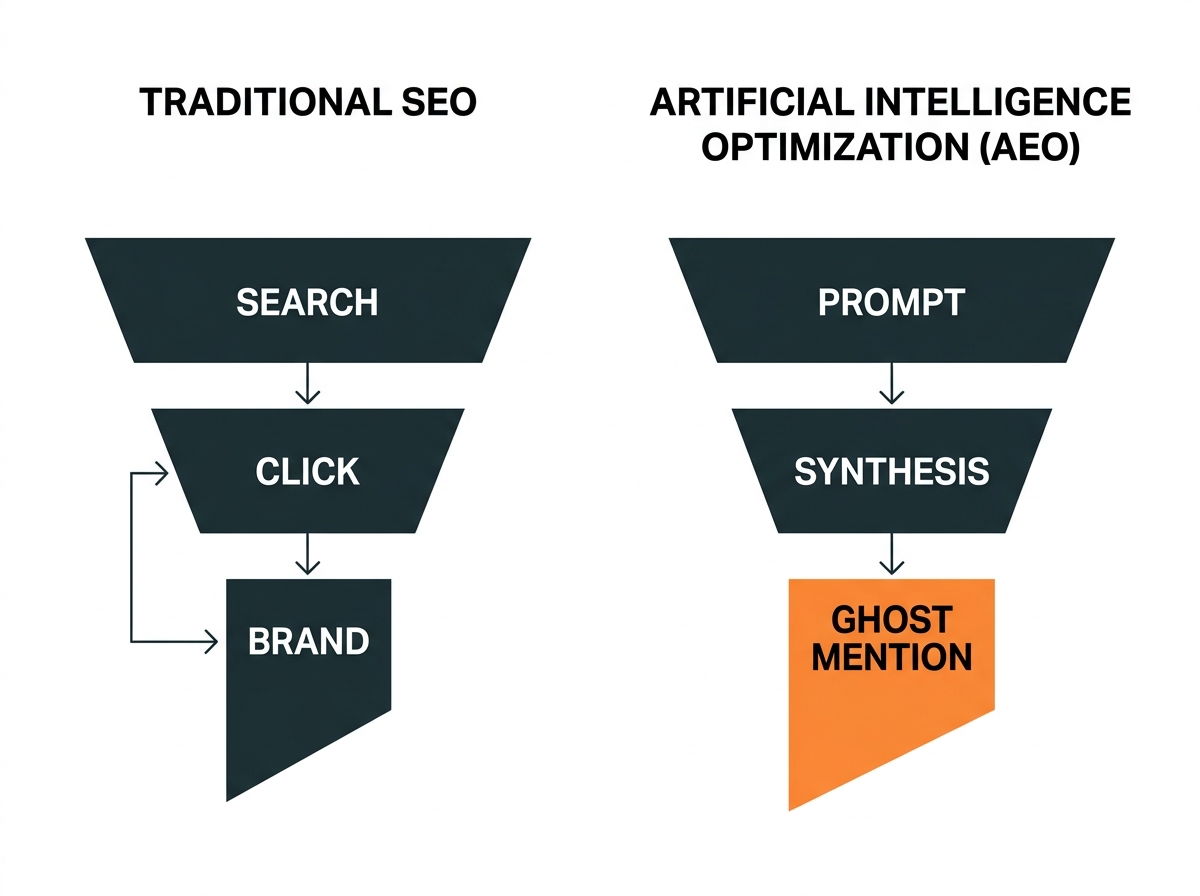
Technical Fixes: Forcing the AI to Say Your Name
To combat ghost citations, marketers must move beyond standard SEO. The goal is no longer just to be indexed; it is to be inseparable from the insight. This requires a shift in how content is structured at the sentence level.
First, brand-name proximity is essential. If you are reporting that streaming platforms are looking for their Wordle, your brand name should be the subject of the sentence, not a footnote. Instead of 'Engagement increased by 15% (Source: Brand X)', use 'Brand X’s analysis found a 15% increase in engagement.' AI models are significantly more likely to retain the brand name when it is syntactically linked to the primary data point.
Second, lean into advanced schema. Using Organization and Author schema is the baseline, but the real advantage lies in citedAs and mentions properties within JSON-LD. By explicitly telling the crawler that 'This specific data point is a proprietary finding of Brand X,' you increase the probability of the AI maintaining that connection during synthesis.
Third, diversify the content format. AI engines are currently better at citing structured data—like tables and bulleted lists—than they are at citing long-form prose. If your key insights are buried in the fifth paragraph of a 2,000-word article, they will be ghosted. If they are in a clearly labeled 'Key Findings' table with your brand logo in the header and the brand name in the first column, the AI's scraping mechanism is forced to treat the brand as a core component of the data set.
The Strategic Pivot: From SEO to Brand Authority
We are entering an era where 'Search Engine Journal AI research' is a more valuable search term than a generic keyword. When users specifically ask for your brand's take on a topic, ghost citations become impossible. This is why social media strategy is becoming the primary driver of search success.
If you have built a community on LinkedIn or X (formerly Twitter) that expects your specific voice, they will prompt the AI with your name included: 'What does Brand X say about the latest algorithm update?' This bypasses the AI's tendency to generalize. You aren't just competing for a spot in the index; you are competing for a spot in the user's prompt.

Social media managers should focus on 'signature metrics'—proprietary data points that only your brand tracks. When these metrics become industry standards, the AI has no choice but to cite you, as the data doesn't exist elsewhere. For example, if a social desk at Adweek consistently reports on 'average price per ad' using internal benchmarks, that data becomes a 'named entity' in the AI’s knowledge graph.
What to Watch: The Regulation of Attribution
The legal landscape is also shifting. As more publishers sue AI companies for copyright infringement, we expect to see 'attribution toggles' or 'source transparency' features become mandatory in AI interfaces. However, you cannot wait for regulation to save your brand visibility.
In the coming months, keep a close eye on how Perplexity handles its 'Pages' feature and how Google integrates its 'Perspectives' filter. These are the areas where brand identity is most likely to be preserved. If your content isn't showing up there with a clear logo and name, your AEO strategy is failing, regardless of how many 'mentions' the tools say you have.
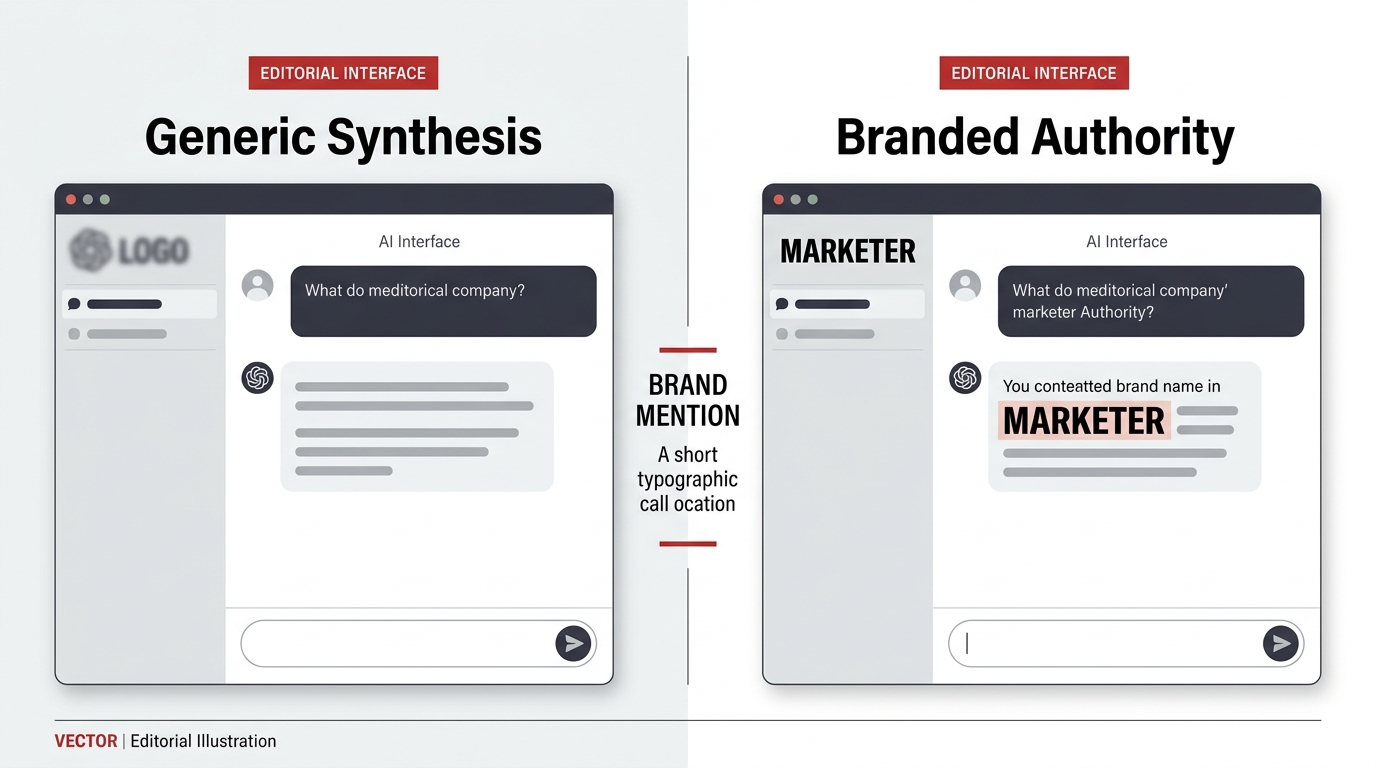
The Path Forward: Auditing Your AI Footprint
You need to audit your ghost citation rate today. Start by taking your top 10 most successful blog posts and asking ChatGPT and Perplexity to summarize the key findings. If your brand name isn't in the first two sentences of the response, you have an attribution problem.
Fixing it requires a collaborative effort between the SEO team, the content creators, and the social media leads. The SEO team handles the schema, the content creators handle the brand-name proximity in the prose, and the social media leads drive the branded search volume that forces the AI to recognize your authority.
Don't let your brand become a nameless ghost in the machine. The value of your insights is only as good as the credit you receive for them. In 2026, marketing isn't just about being found—it's about being remembered by the algorithm.
How to Apply This Tomorrow
Start by identifying your 'high-extraction' content—the pieces that provide clear, data-driven answers that AI loves to scrape. Apply the 'Brand-First' writing style to these pages immediately. Ensure your brand name appears within 10 words of every major statistic or unique insight.
Next, update your reporting. Stop measuring 'Total Mentions' and start measuring 'Named Mentions'. If a tool tells you that you were mentioned 100 times but 60 of those were ghost citations, your actual brand reach is 40. This is the new reality of the AI search landscape. Adjust your KPIs accordingly, or risk reporting 'success' while your brand identity slowly vanishes from the web.
FAQ