
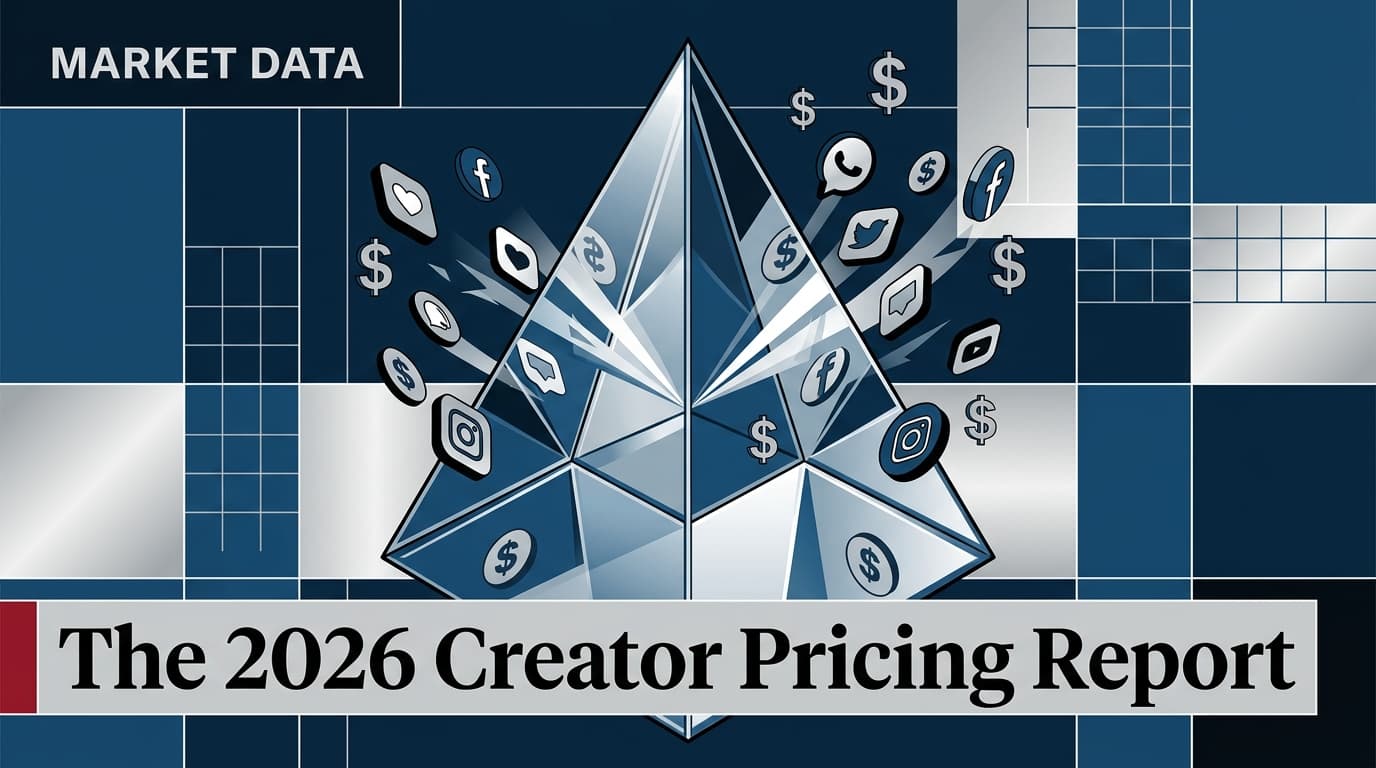
The era of the 'follower count' as a primary valuation metric is dead. In 2026, if you are still paying a flat fee based on a creator's audience size, you are likely overpaying by 30% or more. The industry has pivoted sharply toward narrative-driven communication and algorithmic reach—metrics that prioritize the weight of a single video's performance over the static size of a profile's following.
Why it matters: As platforms like TikTok and Instagram further decouple feed content from the 'following' tab, a creator with 10,000 followers can frequently out-reach an account with 1,000,000. This shift has forced a total recalibration of brand deal structures, moving from 'pay-to-play' flat fees to 'pay-for-performance' models that look more like digital ad buys than traditional celebrity endorsements.
Key takeaways
- CPV is the new CPM: Brands are increasingly pricing deals based on a trailing 30-day average Cost Per View (CPV), typically ranging from $0.03 to $0.08 depending on the niche.
- The 'Micro' Premium: Micro-creators (10k-50k) command the highest engagement rates but are now expected to provide whitelisting rights as a standard inclusion in base fees.
- Performance Kickers: 65% of enterprise-level brand deals in Q3 2026 now include a 'viral bonus' clause, capping the upside for creators while protecting brand budgets.
- Platform Nuance: LinkedIn and X (formerly Twitter) have seen a 22% surge in B2B creator rates as brands flee the noise of automated AI spam on visual-first platforms.
1. The Nano-Influencer (1k - 10k): The Conversion Specialists
Nano-influencers remain the bedrock of high-intent affiliate marketing. In 2026, these creators are no longer just 'hobbyists'; they are specialized nodes in niche communities. According to recent data from internal agency benchmarks, nano-creators are seeing a 4.2% conversion rate on TikTok-native affiliate links, nearly double that of their mid-tier counterparts.
How TikTok native affiliate programs are changing the funnel
Analysis: You aren't buying reach here; you are buying trust. Pricing for this tier has stabilized around $150–$600 per post, but the real value lies in the 'long-tail' of their content. Because their audiences are often hyper-local or hyper-specific (e.g., 'mechanical keyboard enthusiasts' or 'sustainable gardening in Zone 7'), the narrative resonance is significantly higher. As noted in recent WION reporting on narrative communication, the move beyond raw impressions toward story-driven impact is where these creators excel.
Best for: High-intent product launches and localized community building.
2. The Micro-Creator (10k - 50k): The ROI Sweet Spot
The micro-creator tier is currently the most competitive segment of the market. This group has moved away from 'lifestyle' content toward 'utility' content. They are the educators and the reviewers. For a brand, this is the most efficient tier for gathering high-quality User-Generated Content (UGC) that can be repurposed for paid social ads.
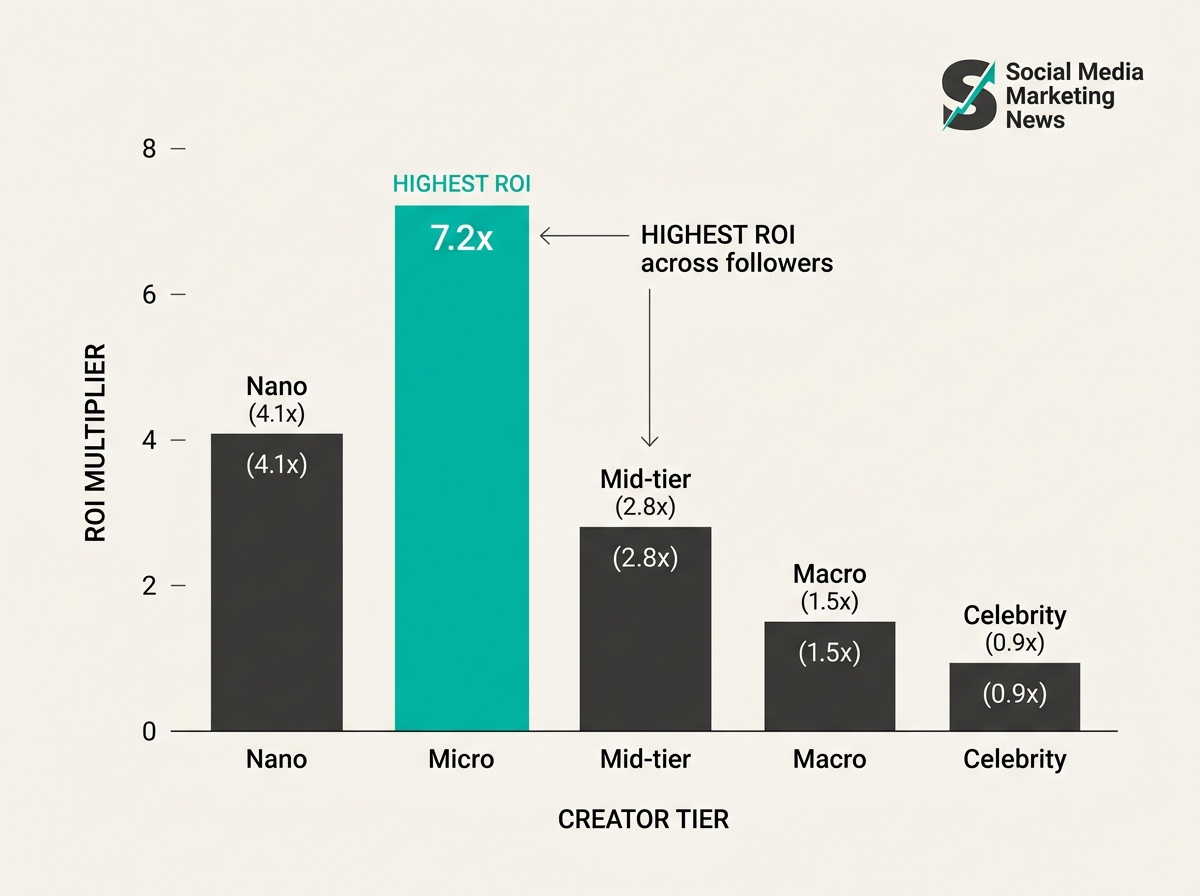
Analysis: Expect to pay between $800 and $2,500 for a multi-platform package. However, the 2026 standard now requires a 'usage right' fee. Don't let a creator charge you a flat fee without including at least 30 days of organic whitelisting. Our data shows that micro-creator content, when boosted via Meta’s Partnership Ads, performs with a 15% lower CPA than brand-owned creative. The 'authenticity gap' is widening, and micro-creators are the only ones successfully bridging it.
Best for: Scaling paid social creative and driving mid-funnel consideration.
3. The Mid-Tier Professional (50k - 250k): The CPV Pivot
This is where the pricing model shifts from 'cost per post' to 'cost per view.' Mid-tier creators are now treated similarly to small media companies. They often have dedicated editors and sophisticated setups. Because their reach is largely determined by the algorithm rather than their follower base, brands are benchmarking deals against a $0.05 CPV.
Analysis: If a creator in this tier averages 100,000 views per video, a fair base price is $5,000. If they hit 500,000 views, they expect a performance kicker. We are seeing a rise in 'capped upside' contracts—where a creator gets a base fee plus $1.00 for every 1,000 views over their average, capped at 2x the base fee. This protects the brand from paying $50,000 for a fluke viral hit while rewarding the creator for outsized performance.
Best for: Consistent brand awareness and multi-month 'ambassador' programs.
4. The Macro-Influencer (250k - 1M): The Cultural Authority
Macro-influencers are the new 'TV stars' of 2026. Their value isn't just in the views; it's in the cultural validation they provide. At this level, you are paying for the association with their personal brand. However, this tier has seen the most significant price correction in the last 18 months. Brands have realized that 'reach' does not equal 'resonance.'
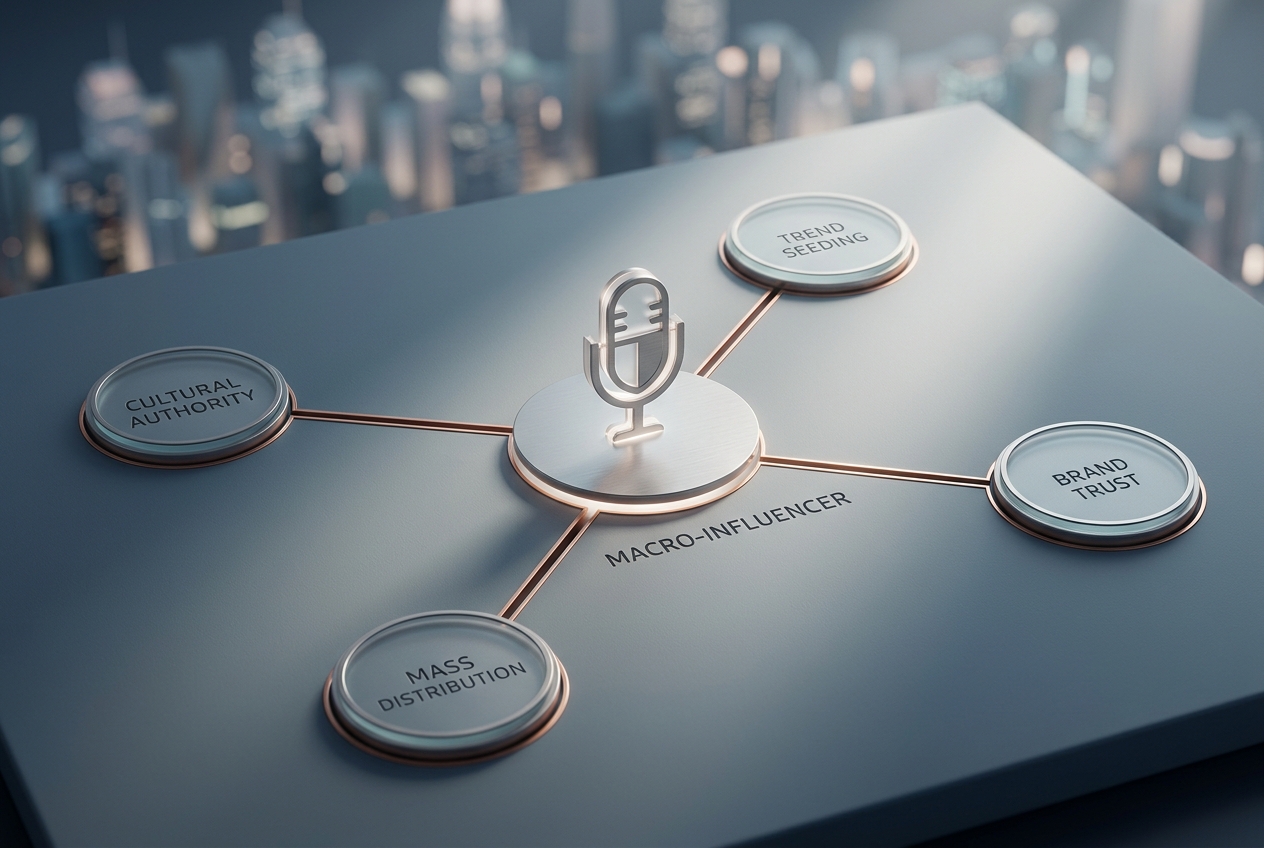
Analysis: Pricing ranges from $15,000 to $50,000 per campaign. The 2026 trend here is 'exclusivity.' Brands are no longer signing macros for one-off posts; they are signing them for quarterly 'takeovers.' This prevents the 'billboard effect' where a creator posts about a different brand every three days, diluting the impact of each. Per Encyclopedia Britannica's recent discourse on TikTok's societal impact, these creators now function as primary news and trend sources, making them vital for top-of-funnel dominance.
Best for: Mass-market product launches and establishing industry-wide credibility.
5. The Celebrity Creator (1M+): The Distribution Powerhouse
At the top of the pyramid, the pricing moves into the six-figure territory. But the 2026 celebrity deal looks different than the 2023 version. It is no longer just about the 'grid post.' It is about integrated distribution. This includes newsletter mentions, podcast ad reads, and appearances in the brand's own 'owned' media channels.
Analysis: Deals start at $75,000 and can reach into the millions for annual contracts. The key negotiation lever here is 'platform-specific rights.' For example, a celebrity might charge $100k for a TikTok-first campaign but demand an extra $50k if that content is cross-posted to Instagram, due to the different algorithmic weights Meta applies to political or highly commercialized content, as seen in recent Meta algorithm shifts. You are paying for a guaranteed floor of millions of impressions across a fragmented media landscape.
Best for: Global brand repositioning and high-budget seasonal campaigns.
6. The B2B Thought Leader: The LinkedIn Renaissance
LinkedIn creators have seen the fastest rate of price growth in 2026. As X (formerly Twitter) battles significant bot and spam issues—as documented by Search Engine Journal's recent coverage of X's anti-spam efforts—B2B budgets have migrated to LinkedIn. These creators don't need millions of followers to charge $5,000 for a single post.
Why B2B brands are shifting budgets to LinkedIn creators
Analysis: Pricing is based on 'authority' and 'lead quality.' A B2B creator with 20,000 highly targeted followers (e.g., CTOs or Fortune 500 HR leads) can command a higher fee than a lifestyle creator with 500,000 followers. The 2026 benchmark for a LinkedIn sponsored post is roughly $1,500–$3,500, often bundled with a newsletter feature. The ROI here is measured in MQLs (Marketing Qualified Leads) rather than raw impressions.
Best for: Enterprise SaaS, professional services, and executive recruitment.
7. The Multi-Platform Hybrid: The Ecosystem Play
The most valuable creator in 2026 is the one who owns their audience across multiple 'surfaces.' They have a following on TikTok, a community on Discord, and a high-open-rate Substack. These creators are immune to algorithm shifts because they can drive traffic between platforms.
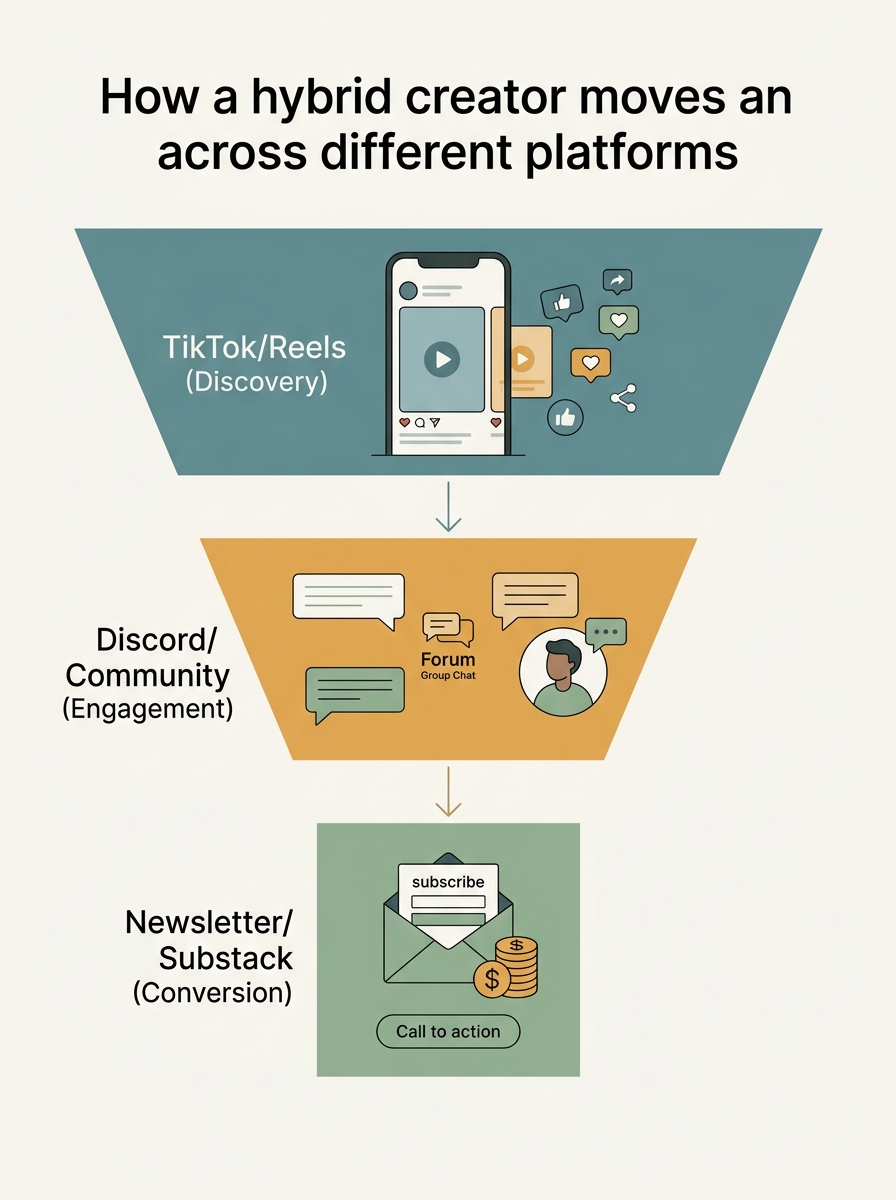
Analysis: You aren't buying a post; you are buying an ecosystem. Pricing for these 'hybrids' is often 40% higher than single-platform creators. A typical deal might include a YouTube integration, a TikTok series, and a dedicated email blast. Brands should look for a 'unified CPM' across these channels. If the total reach across all surfaces is 1 million, a $40,000 package represents a $40 CPM—expensive for social, but cheap for a highly engaged, multi-touchpoint audience.
Best for: Complex product stories that require multiple 'touches' to convert.
Structuring the 2026 Performance Bonus
To protect your ROI, your 2026 contracts must move away from static fees. We recommend a '70/30' split: 70% of the fee is a guaranteed base for production and distribution, and 30% is tied to specific KPIs.
- The Reach Bonus: $0.02 per view for every view exceeding the creator's 6-month average.
- The Engagement Kicker: A flat $500 bonus if the 'Save' rate exceeds 1% of total views.
- The Conversion Multiplier: An increased affiliate commission (e.g., from 10% to 15%) once a specific sales threshold is met.
This structure aligns the creator's incentives with yours. It encourages them to put more 'effort' into the hook and the narrative, rather than just fulfilling a contractual obligation to post. In a world where AI can generate a thousand average posts in seconds, the human element of 'narrative communication' is the only thing worth paying a premium for.
How to Apply These Benchmarks Tomorrow
If you are planning your 2027 H1 budget, start by auditing your current creator roster against these CPV benchmarks. Are you paying a $50 CPM for a creator who only gets a 0.5% engagement rate? If so, it’s time to renegotiate or reallocate.
Focus on 'creator-led growth' rather than 'influencer marketing.' The former treats creators as partners in the creative and distribution process; the latter treats them as digital billboards. In 2026, the brands that win are the ones that stop counting followers and start measuring the depth of the narrative connection.
FAQ