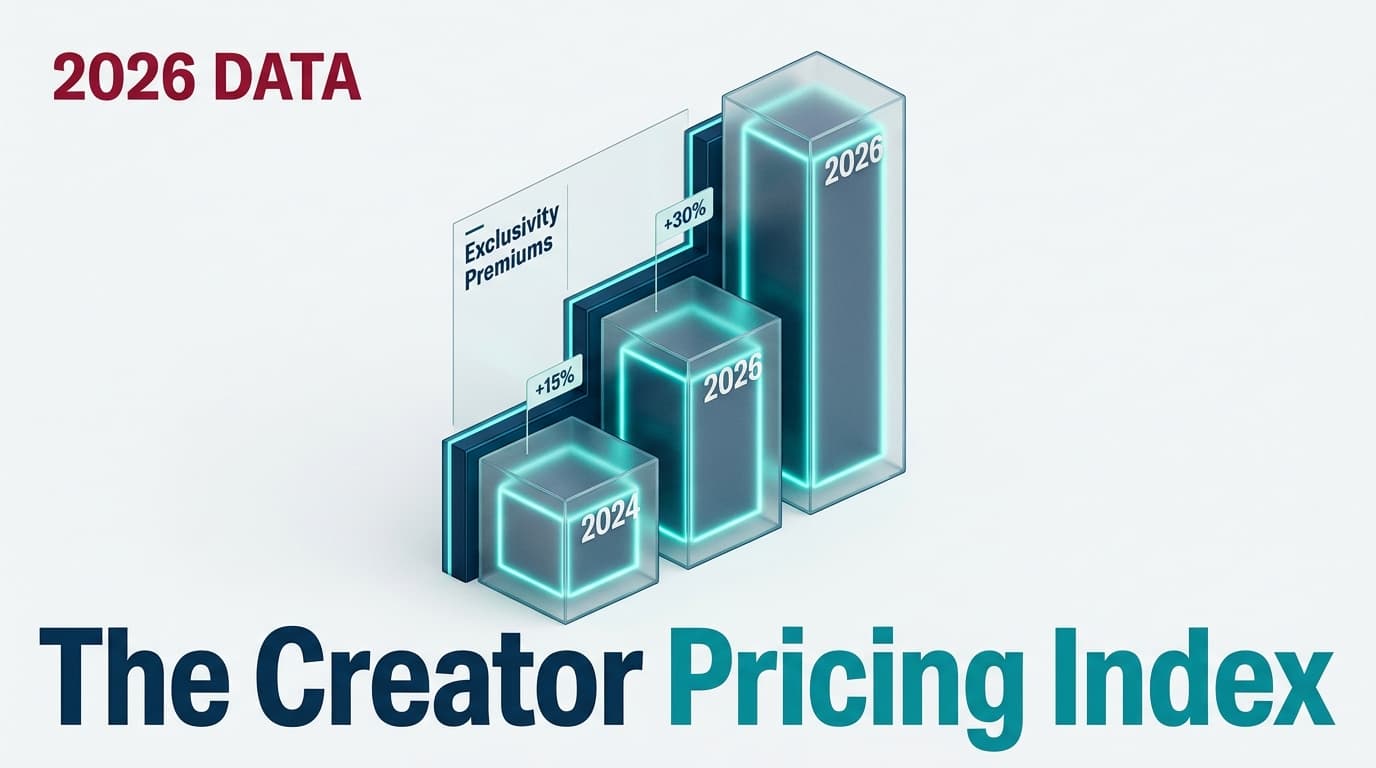

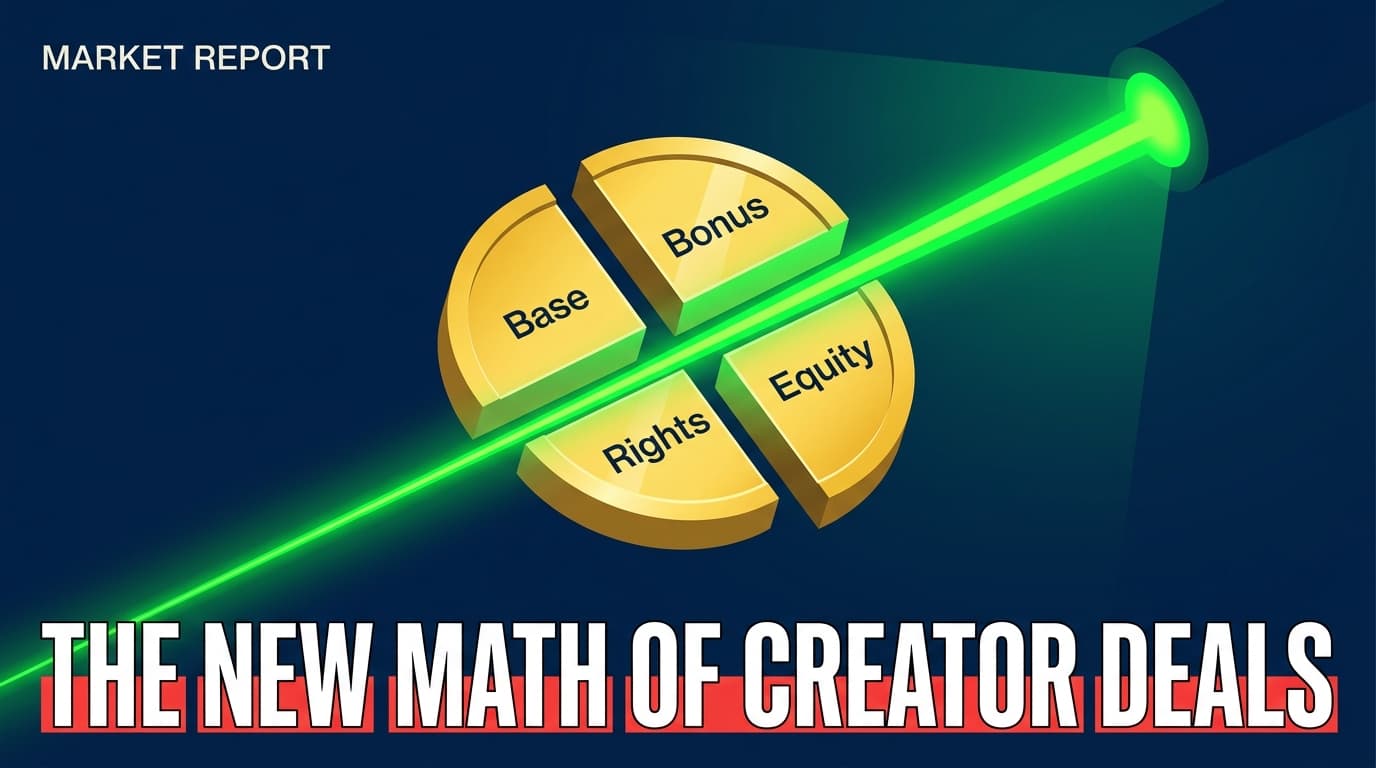
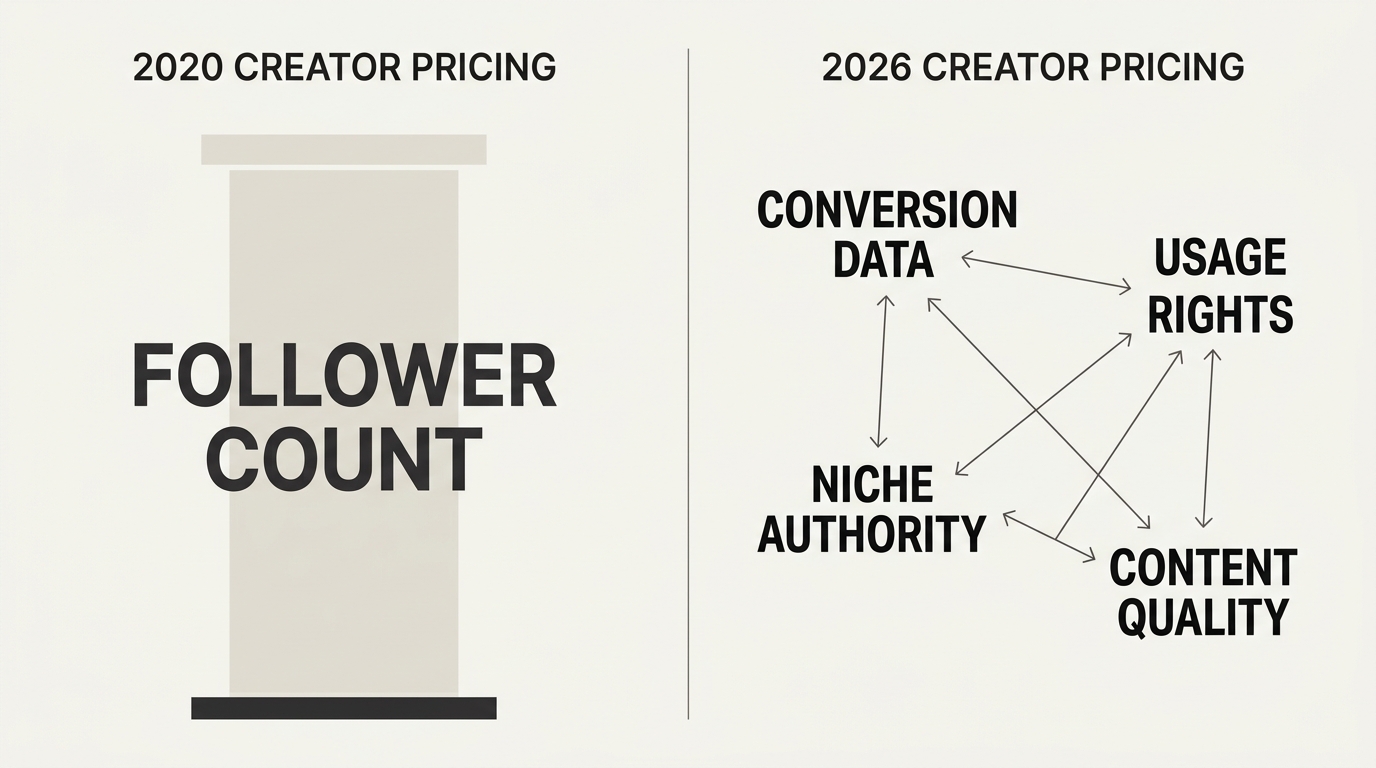
The era of the 'post-and-pray' flat fee is officially over. If you've been managing social budgets since the early 2020s, you remember when a creator's follower count was the primary lever for pricing. Today, that metric is almost entirely decoupled from commercial value. In 2026, the market has matured into a complex ecosystem where authenticity is quantified, and risk is shared. We've seen this shift accelerate following major cultural moments, like the social-first marketing blitz for Spider-Man: Brand New Day in August 2026, which bypassed traditional TV buys to focus on high-conversion creator loops [INTERNAL: social-first entertainment marketing -> movie-marketing-trends-2026].
Why it matters: Brands are no longer paying for reach; they are paying for conversion and content rights. If your agency is still quoting flat rates based on static media kits, you're either overpaying for vanity or under-valuing your top performers.
Key takeaways
- Hybrid is the standard: 70% of mid-market deals now include a performance kicker.
- Rights are the product: Whitelisting and dark-posting rights often cost more than the content creation itself.
- Attribution is king: AI-driven referral tracking has fixed the 'last-click' problem that plagued influencer ROI for a decade.
The Death of the Flat Fee and the Rise of Accountability
For years, the influencer industry operated on a 'talent fee' model borrowed from Hollywood. You paid for the person, not the result. But as Martin Sorrell’s S4 Capital noted in their H1 2026 earnings report, the pressure for efficiency in digital spend has never been higher. Even as S4 reported falling revenues, their stock surged on the promise of AI-driven, lean marketing structures. This same pressure has forced creator marketing out of the 'experimental' bucket and into the 'performance' bucket.
The shift was further cemented by the technical evolution of search and discovery. When Google lost veteran engineer Jeff Dean in August 2026, it signaled a final pivot toward DeepMind-integrated search. This means creator content is now indexed and surfaced by AI based on utility and sentiment rather than just keywords. If a creator’s content doesn't drive a measurable action, the algorithm buries it—and brands have stopped paying for buried content.
1. The Hybrid Model: Base + Performance Kicker
The standard for 2026: A guaranteed floor for production plus a tiered bonus for conversions.
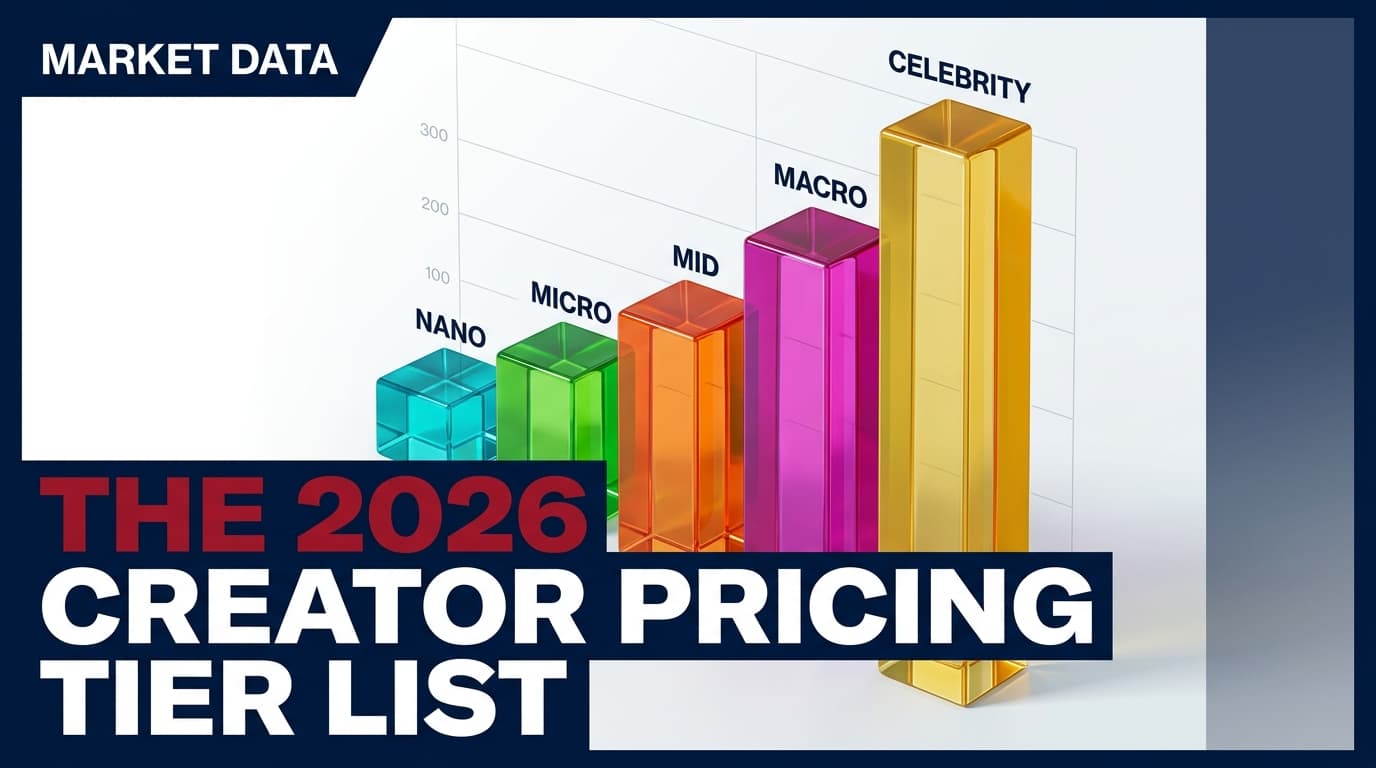
This is currently the most popular structure for mid-tier creators (50k–500k followers). The brand pays a 'creation fee' that covers the creator's time, equipment, and overhead. However, the real upside for the creator—and the protection for the brand—lives in the performance kickers. These are often structured around specific KPIs: click-through rates (CTR), newsletter sign-ups, or direct sales tracked via clean-room attribution.
Based on internal benchmarks from leading agencies, the base fee typically covers 40-60% of what the old flat fee would have been. The remaining 40-60% is unlocked when the creator hits specific milestones. For example, a beauty brand might pay a $2,000 base for a Reel, with an additional $500 for every 100 units sold through a dedicated link. This aligns incentives perfectly; the creator becomes a stakeholder in the campaign's success.
Best for: Direct-to-consumer (DTC) brands with high-margin products and clear attribution windows.
2. The Whitelisting-Only Fee (Dark Posting)
A model where the creator’s handle is the asset, but the content never touches their organic grid.
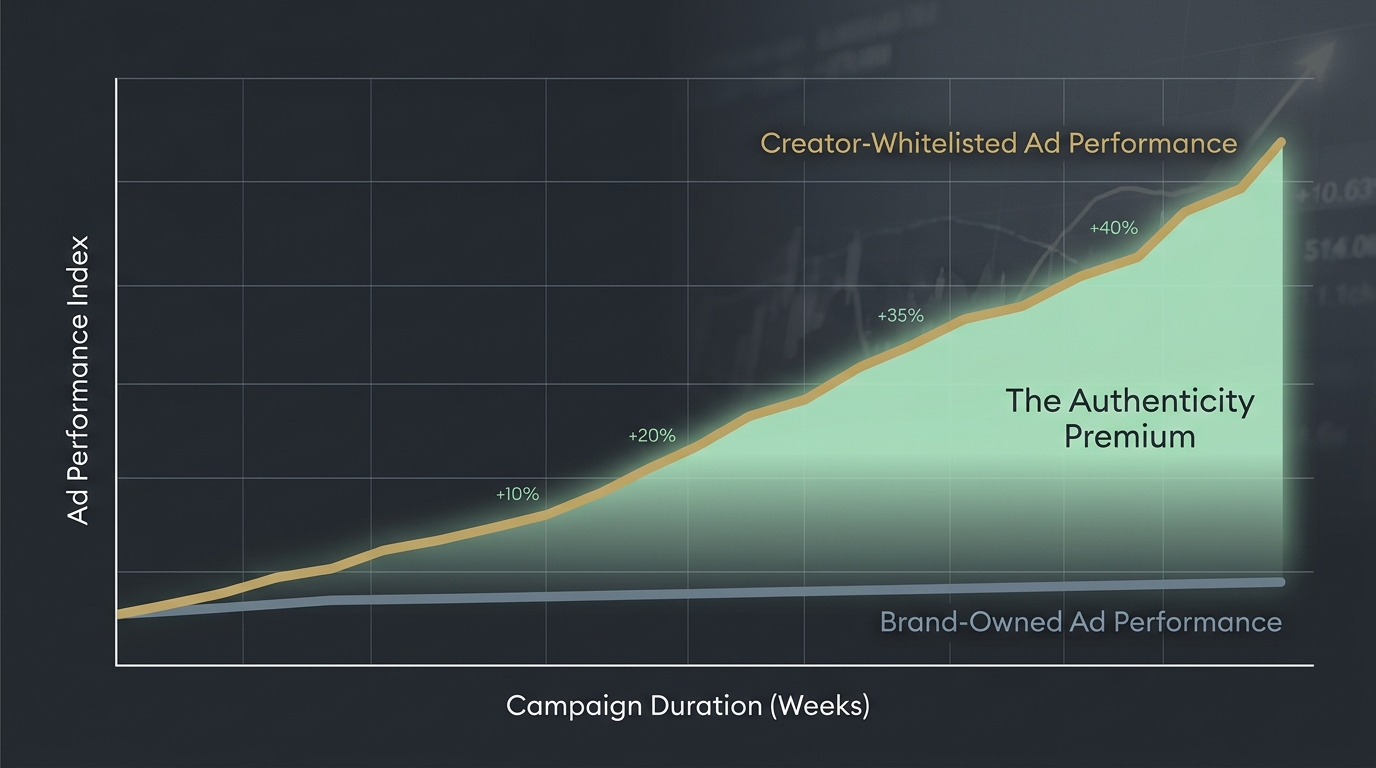
In 2026, we've seen a massive surge in 'dark posting.' Brands are paying creators solely for the right to run ads through the creator’s account. This leverages the 'halo effect' of authenticity—users are 4x more likely to stop scrolling for a creator's face than a brand's logo—without clogging the creator’s feed with sponsored content that might hurt their organic reach.
Pricing here is usually split into two parts: a small creation fee and a recurring monthly 'licensing fee' for the handle usage. If the ad performs well, the brand continues to pay the licensing fee to keep the ad running. If it flops, they kill the spend and the creator still gets their base. It's a low-friction way for creators to monetize without 'selling out' their main feed.
Best for: Performance buyers at scale-up startups who need high-volume creative for Meta and TikTok testing.
3. The Long-Term Ambassador Retainer
Moving away from one-off 'burst' campaigns toward 6-to-12 month integrated partnerships.
This model mimics traditional celebrity endorsements but with a social-first cadence. Instead of $50,000 for one post, a brand might pay $8,000 a month for a year. In exchange, the creator provides a set number of deliverables (e.g., two videos, four Stories, and presence in the brand's community Discord).
The value here is cumulative. As Search Engine Journal recently noted, AI referrals are now recreating the oldest mistake in conversion optimization: failing to account for the 'messy middle' of the funnel. A long-term ambassador solves this by providing constant, multi-touchpoint reinforcement. A consumer might see the creator use the product in January, hear a mention in March, and finally convert in June. A one-off deal would never capture that value.
Best for: Established brands looking to build deep trust and 'share of mind' in specific niches like fitness, parenting, or B2B SaaS.
4. The Pure Affiliate Play (Tiered Commissions)
Zero upfront cost, high-upside commission structures powered by modern attribution.
While 'affiliate' used to be a dirty word for high-end creators, the 2026 version is different. With the death of the third-party cookie, first-party data from creator referrals has become gold. Brands are now offering 'aggressive' commissions—sometimes as high as 30-40%—to creators who can move volume.
This model has been revitalized by platform-native shops like TikTok Shop and Instagram Checkout, where the friction between 'seeing' and 'buying' is non-existent. For the creator, it’s a gamble that can pay off massively if a video goes viral. For the brand, it’s a zero-risk way to test new markets. We are seeing 'Affiliate-Plus' models where a creator gets a small stipend for product costs but relies on the backend for their actual income.
Best for: Viral-ready consumer goods, gadgets, and fashion items with a low barrier to entry.
5. The Content-Only / UGC Production Fee
Paying for the creative output, not the distribution.
Many brands have realized that creators are often better (and cheaper) than traditional creative agencies at producing high-engagement video. In this model, the brand pays the creator to film and edit content that will only be used on the brand's own social channels or website. The creator never posts it to their own audience.
Pricing for this is strictly based on production value and usage rights. A standard 'UGC bundle' in 2026 typically includes 5-10 raw clips and 3 finished edits for a flat fee. It’s a volume game. As brands need to feed the hungry algorithms of 2026, they need hundreds of creative variations, and this model provides the fuel.
Best for: Social media managers who need a constant stream of fresh content for brand-owned channels.
6. The 'Equity and Earn-Out' Deal
Reserved for top-tier talent: Trading immediate fees for long-term ownership.
Following the success of creator-led brands like Feastables or Prime, more traditional companies are offering equity stakes to 'Category Kings.' Instead of a $1M fee, a creator might take a 2% stake in a new product line. This is the ultimate form of authenticity; the creator isn't just a spokesperson; they are a founder.
This model requires significant legal overhead and is usually only viable for creators with audiences in the millions. However, it represents the pinnacle of the creator-to-consumer evolution. It turns the creator's audience into a moat that traditional competitors cannot easily cross.
Best for: Enterprise-level brands launching a new sub-brand or vertical.
Navigating the Attribution Minefield
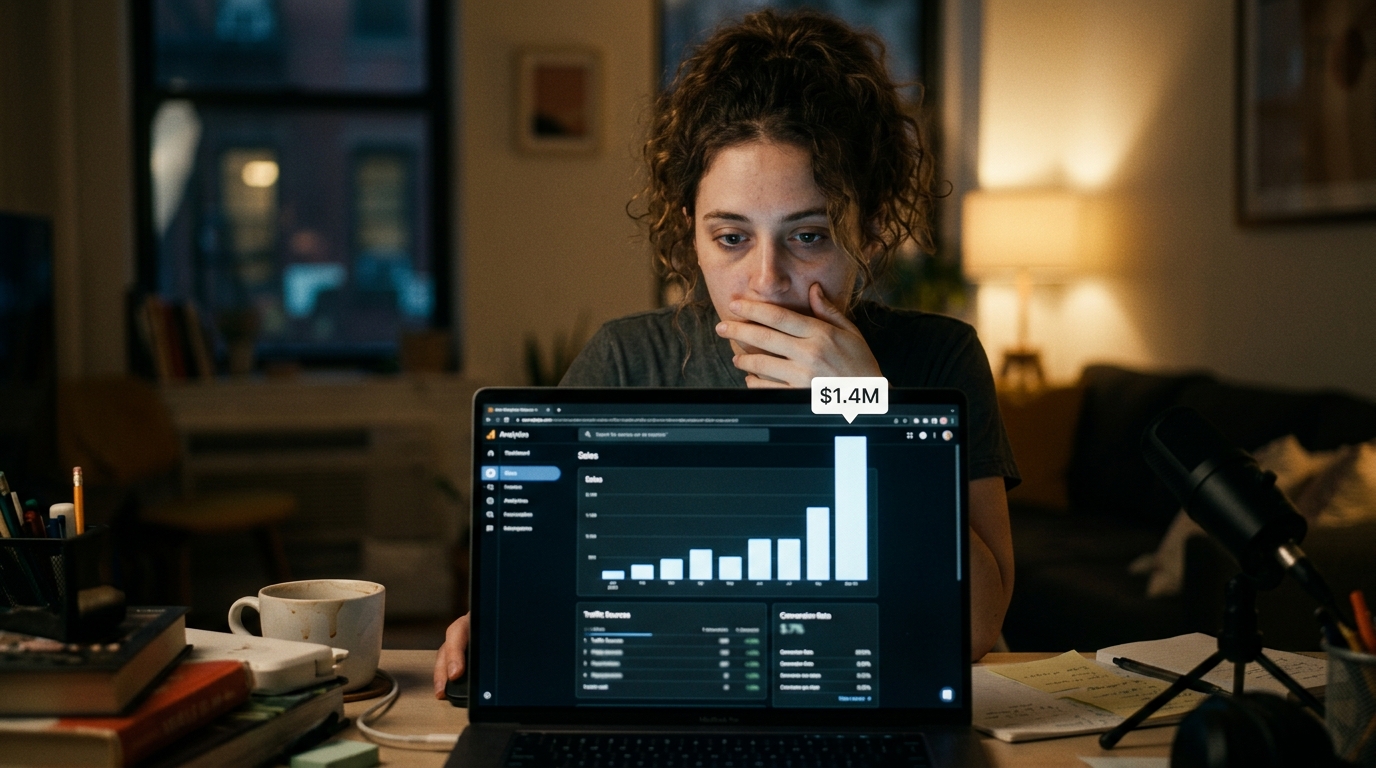
As you implement these models, the biggest hurdle remains measurement. The 'AI Referrals' problem mentioned by Slobodan Manic at Search Engine Journal is real: AI-driven discovery often strips away traditional UTM parameters. To combat this, smart marketers in 2026 are using 'Post-Purchase Surveys' (PPS) and 'Vanity URLs' alongside their tracking pixels.
You must ask: "How did you hear about us?" If 40% of your customers say "[Creator Name]" but your dashboard only shows 5% coming from their link, you know your attribution is broken. Don't punish the creator for the platform's technical limitations. Adjust your pricing models to account for this 'dark social' influence.
the future of social attribution
Final Recommendations for Q4 2026 Planning
If you are currently drafting your 2027 budget, stop thinking in terms of 'Influencer Spend.' Start thinking in terms of 'Creator-Led Growth.'
- Audit your current contracts: If more than 80% of your deals are flat-fee, you are likely overspending on low-performers. Transition at least 30% of your roster to a hybrid model by year-end.
- Prioritize rights over reach: In your negotiations, fight harder for whitelisting rights and perpetual organic usage than for an extra Story post. The value is in the asset, not the broadcast.
- Diversify your model mix: Use the Pure Affiliate model for top-of-funnel discovery and the Ambassador Retainer for bottom-of-funnel trust. One size does not fit all.
The market has spoken: authenticity is no longer a vibe; it's a variable in a performance equation. Pay accordingly.
FAQ