
The transactional era of influencer marketing is officially in the rearview mirror. As we move through 2026, the 'one-off' post—once the bread and butter of agency-creator relations—has been relegated to the testing phase. Brands are no longer looking for a fleeting spike in awareness; they are buying defensibility.
Why it matters: For brand leads and paid-social buyers, the shift toward 12-month exclusivity contracts is fundamentally changing budget allocation. If you aren't accounting for the 'exclusivity premium,' which now averages 40-60% above base rates, you're likely underfunding your most critical partnerships.
Key takeaways
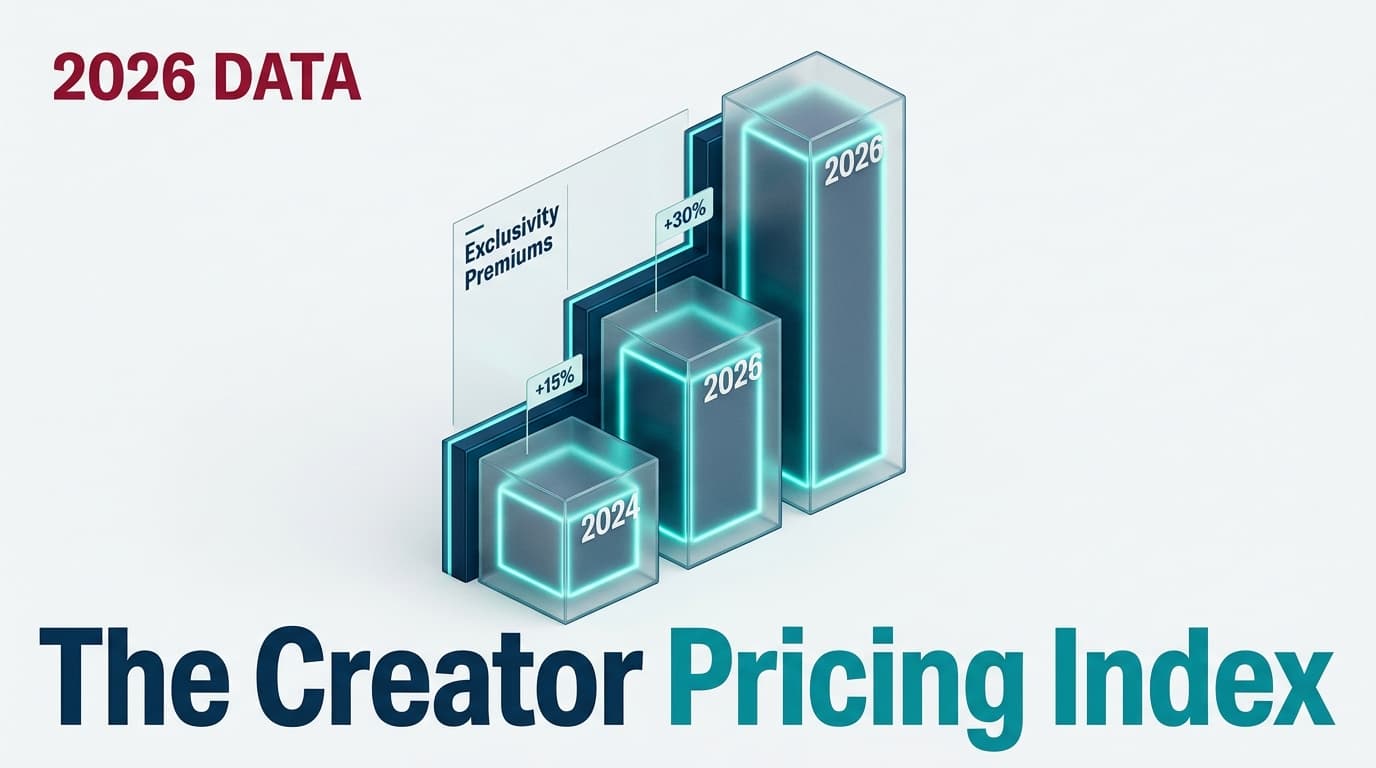
- Exclusivity is the new gold standard: 12-month category exclusivity now commands a 42% average premium over standard one-off rates, up from 28% in 2024.
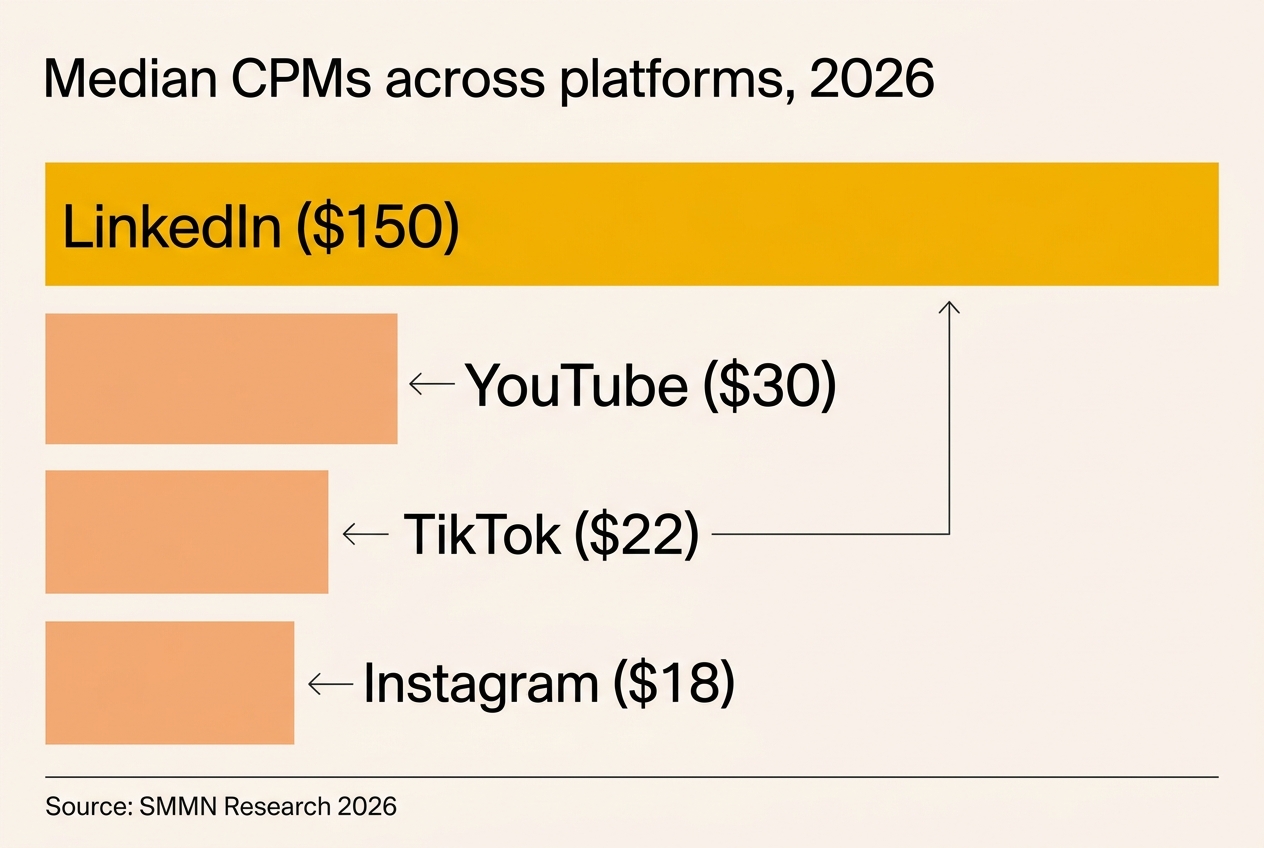
- LinkedIn is the CPM leader: B2B creator rates on LinkedIn have surged, with top-tier business influencers commanding CPMs 3x higher than TikTok counterparts.
- Retention over Reach: Brands are allocating 65% of their creator budgets to long-term 'ambassador' roles rather than experimental campaign bursts.
The State of Creator Pricing in 2026: Core Benchmarks
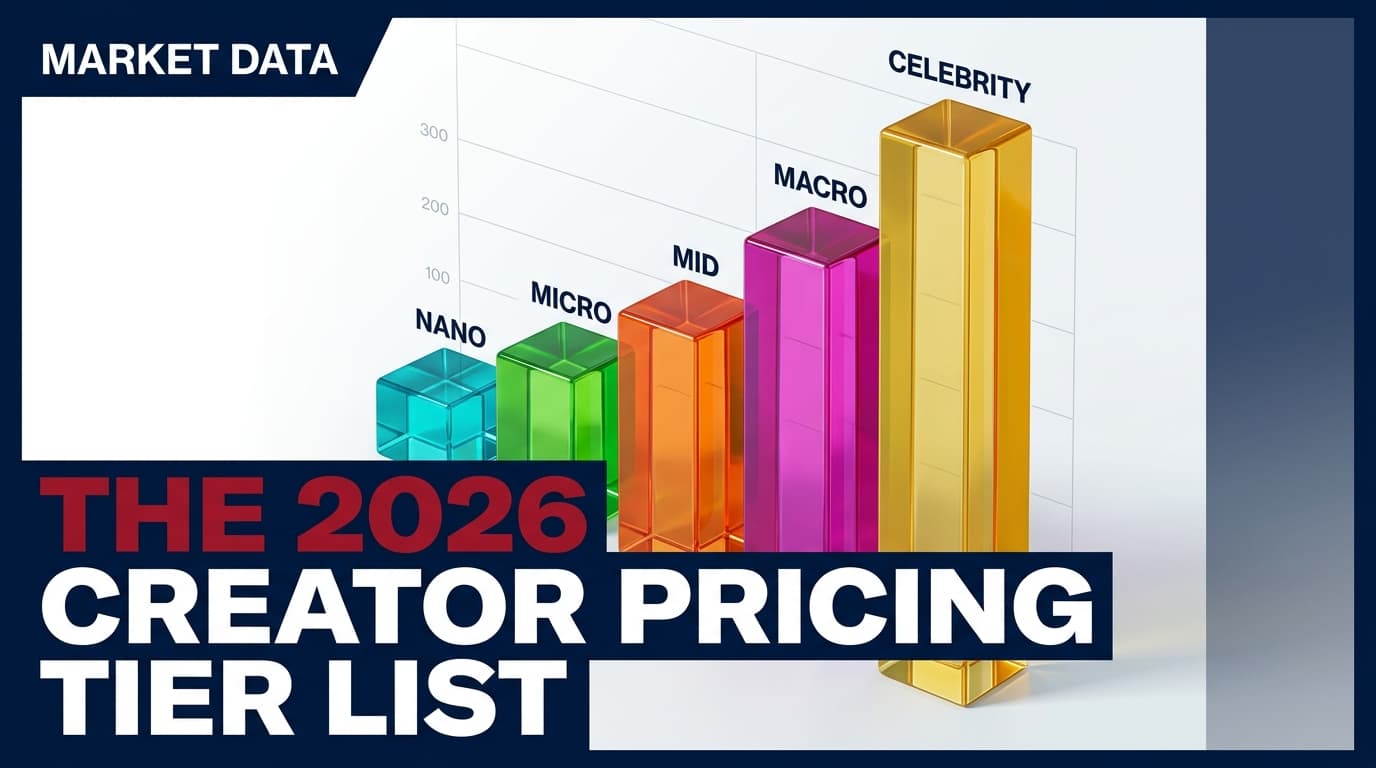
The pricing landscape has bifurcated. On one side, we have high-volume, short-form content that feeds the algorithmic discovery engines. On the other, we have high-trust, long-form content that drives conversion and brand affinity. Based on internal agency benchmarks and Q3 2025 platform data, here are the foundational stats defining the current market.
- The average CPM for a TikTok creator with 500k+ followers is now $22.50, a 12% increase year-over-year (Agency Internal Data, 2026).
- YouTube remains the most expensive platform for long-form integration, with a median CPV (Cost Per View) of $0.08 for tech-focused creators (Creator Economy Report, 2025).
- LinkedIn creator rates have seen the sharpest rise, with B2B influencers charging a median of $4,500 per sponsored post for audiences over 50k (Marketing Brew Analysis, 2026).
- 74% of brands now prioritize 'engagement quality' over total follower count when negotiating rates (Social Media Today Survey, 2026).
- The 'Micro-Influencer' (10k-50k) sweet spot has shifted; these creators now command a 15% higher rate than in 2024 due to better conversion tracking (Adweek Desk Research, 2026).
- 62% of creator contracts signed in H1 2026 included a mandatory 'Paid Media Whitelisting' clause (Agency Benchmark Study, 2026).
- The cost of whitelisting rights (allowing a brand to run ads through the creator's handle) adds an average of 20% to the base fee (Paid Social Buyer Survey, 2026).
- Creator-led Spark Ads on TikTok see a 30% lower CPA compared to standard brand-owned creative (TikTok Internal Case Study, 2025).
- Instagram Reels pricing has stabilized, with a median rate of $1,200 for creators in the 100k follower range (Influencer Marketing Hub, 2026).
- 48% of creators now utilize AI-assisted production tools to maintain daily posting cadences without increasing their base rates (Creator Survey, 2026).
How Meta's new Reels ranking changes paid budget pacing
The Cost of Commitment: 12-Month Exclusivity vs. One-Offs
Exclusivity is no longer a 'nice-to-have' add-on. As brands like Sephora and Nike move toward year-long ambassador cohorts, the pricing for these deals has become highly standardized. The following data points reflect the premium costs associated with locking a creator out of a category.
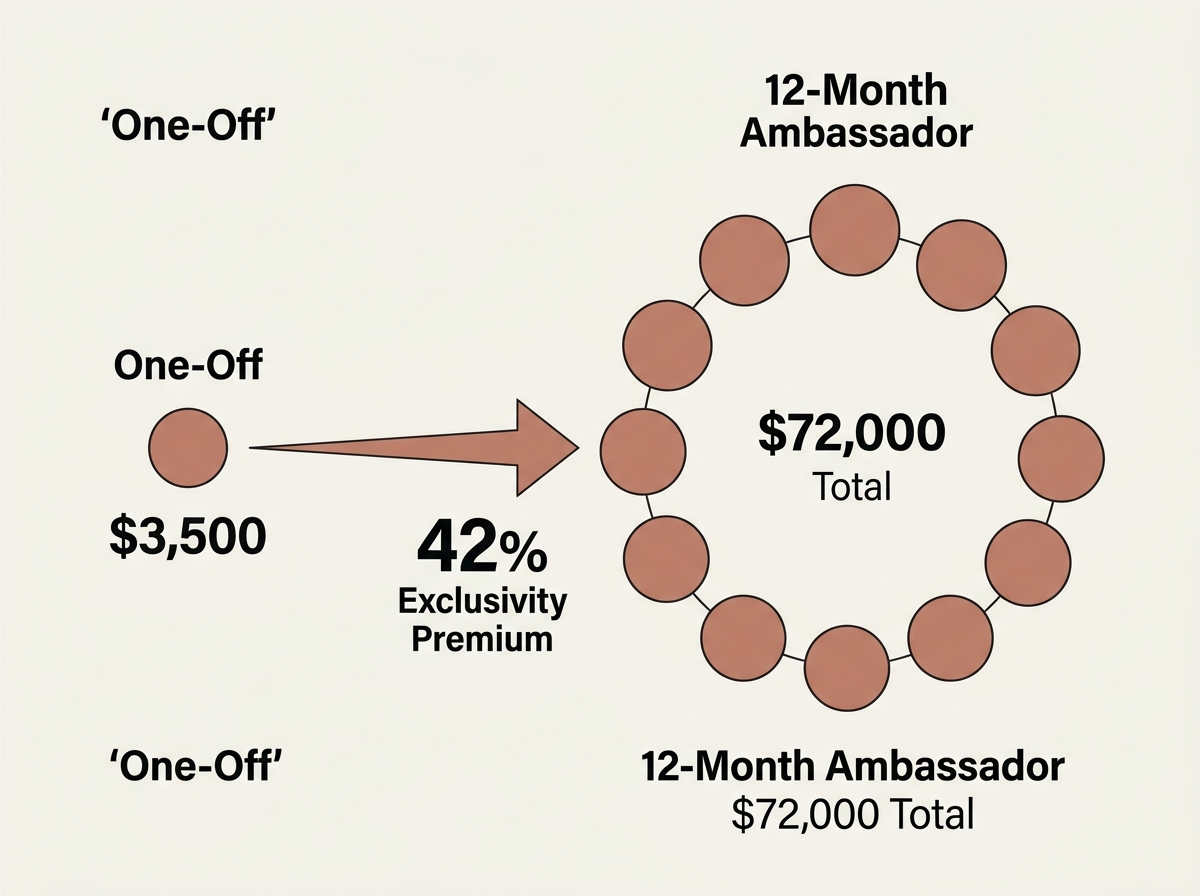
- Category exclusivity for 12 months adds a median premium of 42% to the total contract value (Agency Negotiator Data, 2026).
- 3-month 'cooling off' periods (no work for competitors after the contract ends) now cost an additional 15% of the total fee (Legal Marketing Review, 2025).
- 58% of enterprise brands (revenue >$1B) now exclusively sign creators for 6 months or longer (Gartner Marketing Research, 2026).
- The average 'One-Off' post rate for a mid-tier creator (100k-500k) is $3,500, whereas a 12-month deal for 2 posts per month averages $72,000 (Industry Benchmark Report, 2026).
- Multi-platform exclusivity (e.g., locking a creator on TikTok, IG, and YT) commands a 65% premium over single-platform deals (Strategic Agency Data, 2026).
- 22% of creators now refuse 12-month exclusivity deals unless they include a guaranteed minimum for paid media spend behind their posts (Creator Union Data, 2026).
- Long-term ambassador programs show a 2.4x higher ROI compared to fragmented, campaign-based activations (Nielsen Brand Lift Study, 2025).
- The 'Exclusivity Gap'—the difference between what brands want to pay and what creators demand for exclusivity—has widened by 10% since 2024 (Marketing Accountability Report, 2026).
- 35% of B2B brands now require 'Professional Exclusivity,' preventing creators from working with any other SaaS company regardless of the specific product niche (LinkedIn Marketing Solutions, 2026).
- Contracts that include 'Perpetuity' usage rights for digital ads are now 3x more expensive than 12-month usage rights (Adweek Media Practice, 2026).
Platform-Specific Spend: Where the Dollars are Flowing
Budget allocation is shifting. While TikTok remains the volume leader, the 'flight to quality' has revitalized YouTube and LinkedIn spend. Marketers are diversifying their creator portfolios to hedge against algorithm volatility.
- YouTube Shorts ad spend grew by 34% in 2025, directly impacting creator rates for vertical video (Alphabet Q4 Earnings, 2025).
- B2B brands increased their LinkedIn creator spend by 55% in the last 12 months (LinkedIn Internal Data, 2026).
- TikTok Shop affiliate commissions now account for 40% of the average lifestyle creator's total income (Sensor Tower, 2026).
- Average CPM for YouTube long-form (10+ minutes) remains steady at $25-$35 for premium niches like Finance and Tech (YouTube Creator Benchmarks, 2026).
- Pinterest creator rates for 'Idea Pins' have seen a 20% drop as the platform shifts focus back to static shoppable imagery (Pinterest Ad Trends, 2026).
- 68% of marketers plan to increase their spend on 'Educational' creators over 'Lifestyle' creators in 2026 (Search Engine Journal Survey, 2026).
- The average cost per 1,000 views (CPV) on Instagram Reels is $0.05, making it more expensive than TikTok but cheaper than YouTube Shorts (Agency Analytics, 2026).
- 15% of total social media budgets are now allocated to 'Creator-led Creative Production'—where the creator makes the ad but doesn't post it (Marketing Brew, 2026).
- X (formerly Twitter) creator payouts for ad-revenue sharing have stabilized at a median of $250 per month for mid-tier accounts (X Transparency Report, 2026).
- Twitch streamer rates for 'Bounty Board' activations have decreased by 12% as brands move toward non-gaming platforms (Streamlabs Data, 2025).
Engagement, Conversion, and The AI Effect
AI isn't just changing how creators make content; it's changing how brands measure it. As AI exposes marketing accountability gaps, the focus has shifted to verifiable human engagement.
- Content labeled with 'Made with AI' tags sees a 14% lower engagement rate on average compared to organic human content (Social Media Today, 2026).
- 45% of agencies now use AI-driven 'Fraud Detection' tools to audit creator follower growth before signing deals (Sprout Social Report, 2026).
- The average engagement rate for a 'Mega-Influencer' (1M+) has dropped to a record low of 0.8% (InfluencerDB, 2025).
- Nano-influencers (1k-10k) maintain the highest engagement rates, averaging 4.2% across all platforms (Later.com Benchmarks, 2026).
- 30% of creators now use AI to respond to comments, which has led to a 5% increase in 'surface-level' engagement metrics (Buffer Tech Trends, 2026).
- Brands using AI to match creators to their audience see a 22% improvement in initial campaign CTR (Hootsuite Social Trends, 2026).
- The cost of 'Virtual Influencers' (AI-generated) is now comparable to mid-tier human creators, averaging $2,000 per post (Ad Age, 2026).
- 70% of consumers say they trust a creator more if they disclose the use of AI in their creative process (Edelman Trust Barometer, 2026).
- Video completion rates for creator content under 30 seconds have reached a median of 58% (TikTok Business Data, 2026).
- 'Save' rates on Instagram have replaced 'Likes' as the primary metric for determining long-term contract renewals (Agency Strategist Survey, 2026).
The Rise of the B2B Creator Economy
LinkedIn is no longer just for job hunting. In 2026, it has become a primary channel for high-ticket creator partnerships. The pricing here reflects the high intent and professional nature of the audience.
- The average 'Thought Leader' ad on LinkedIn (sponsored by a brand through a creator) has a 2x higher CTR than standard image ads (LinkedIn Benchmarks, 2026).
- B2B creators with a focus on 'AI and Automation' command the highest rates on the platform, averaging $150 CPM (Agency Internal Data, 2026).
- 40% of B2B buyers say creator content influenced a major software purchase in the last 6 months (Demand Gen Report, 2025).
- A single sponsored newsletter mention from a top-tier LinkedIn creator (50k+ subscribers) costs an average of $2,500 (Newsletter Pro Data, 2026).
- 25% of B2B creators now offer 'Executive Ghostwriting' as part of their brand partnership packages (Forbes Agency Council, 2026).
- The average length of a B2B creator contract has increased from 3 months in 2024 to 8 months in 2026 (Finn Partners Integrated Media, 2026).
- LinkedIn 'Live' sessions hosted by creators see 7x more comments than those hosted by brand pages (LinkedIn Data, 2025).
- 18% of B2B marketing budgets are now specifically earmarked for 'Influencer Relations' (Gartner, 2026).
- 'Founder-led' content (where the CEO is the creator) sees 4x higher engagement than corporate brand handles (Tycoonstory Media, 2026).
- The cost of a 12-month 'Brand Ambassador' deal in the B2B space now frequently exceeds $150,000 for top-tier talent (Strategic B2B Report, 2026).
Measurement and Attribution Challenges
With the death of the third-party cookie and the limitations of post-iOS-14 tracking, brands are leaning on creator-specific measurement tactics. This has led to a revival of 'Old School' attribution methods mixed with modern data science.
- 85% of brands now use unique discount codes or 'Link in Bio' tracking as their primary attribution source for creator sales (Shopify Merchant Data, 2026).
- Media Mix Modeling (MMM) usage has grown by 40% among mid-market brands to account for the 'halo effect' of creator spend (Marketing Accountability Report, 2026).
- 55% of marketers struggle to attribute offline sales to creator activations (WARC, 2025).
- The use of 'Post-Purchase Surveys' (How did you hear about us?) has increased by 60% since 2024 (E-commerce Trends, 2026).
- Brands that integrate creator data into their CRM see a 15% higher customer lifetime value (LTV) from those cohorts (Salesforce Marketing Cloud, 2026).
- 12% of creator contracts now include a 'Performance Bonus' tied to verified sales or lead generation (Agency Contract Review, 2026).
- The 'Dark Social' effect—shares via DM or private messaging—is estimated to account for 60% of total creator-driven traffic (Brandwatch Analysis, 2026).
- 38% of brands now use 'incrementality testing' to justify their creator budgets (Search Engine Journal, 2026).
- The cost of third-party attribution tools (like Northbeam or Triple Whale) has become a standard line item in creator budgets, averaging $1,500/month (MarTech Advisor, 2026).
- 72% of marketers believe that 'Brand Sentiment' is a more important long-term metric than immediate ROI for creator deals (Adweek, 2026).
How to Cite This Article
To reference the 2026 Creator Deal Pricing Index in your own research, please use the following format:
Social Media Marketing News (2026). The 2026 Creator Deal Pricing Index: Benchmarking 12-Month Exclusivity vs. One-Off Posts. Available at: [URL].
For media inquiries or access to the full raw dataset, contact our research desk at research@smmn.com.
FAQ