
ChatGPT Ads have officially graduated from a curiosity to a line item that demands a return. If you've been treating conversational search as a brand-awareness play, you're already behind the curve. With the release of OpenAI’s 2026 Performance Suite, we finally have the levers necessary to treat this like a mature channel: conversion-based bidding, granular geo-fencing, and bulk management APIs.
By the end of this guide, you will have a fully operational ChatGPT Ads campaign structure capable of tracking ROAS with the same precision you expect from Meta or Google. You'll move from broad 'intent matching' to specific 'action-oriented' bidding.
Before you start, ensure you have your OpenAI Ads Manager access verified, a server-side tagging container (like GTM Server-Side) ready, and a product feed formatted according to the new Conversational Schema 2.1 specifications.
TL;DR
- Conversion Bidding: OpenAI now supports OCI (OpenAI Conversion Interface) for server-side event reporting.
- Geo-Fencing: 2026 updates allow for zip-code level targeting, crucial for local service providers.
- Intent Layering: Use the new 'Contextual Weighting' tool to bid higher on high-intent conversational strings.
- Measurement: Stop relying on last-click; conversational search requires a 7-day view-through window to capture the 'research-to-buy' cycle.
Step 1: Implement the OpenAI Conversion Interface (OCI)
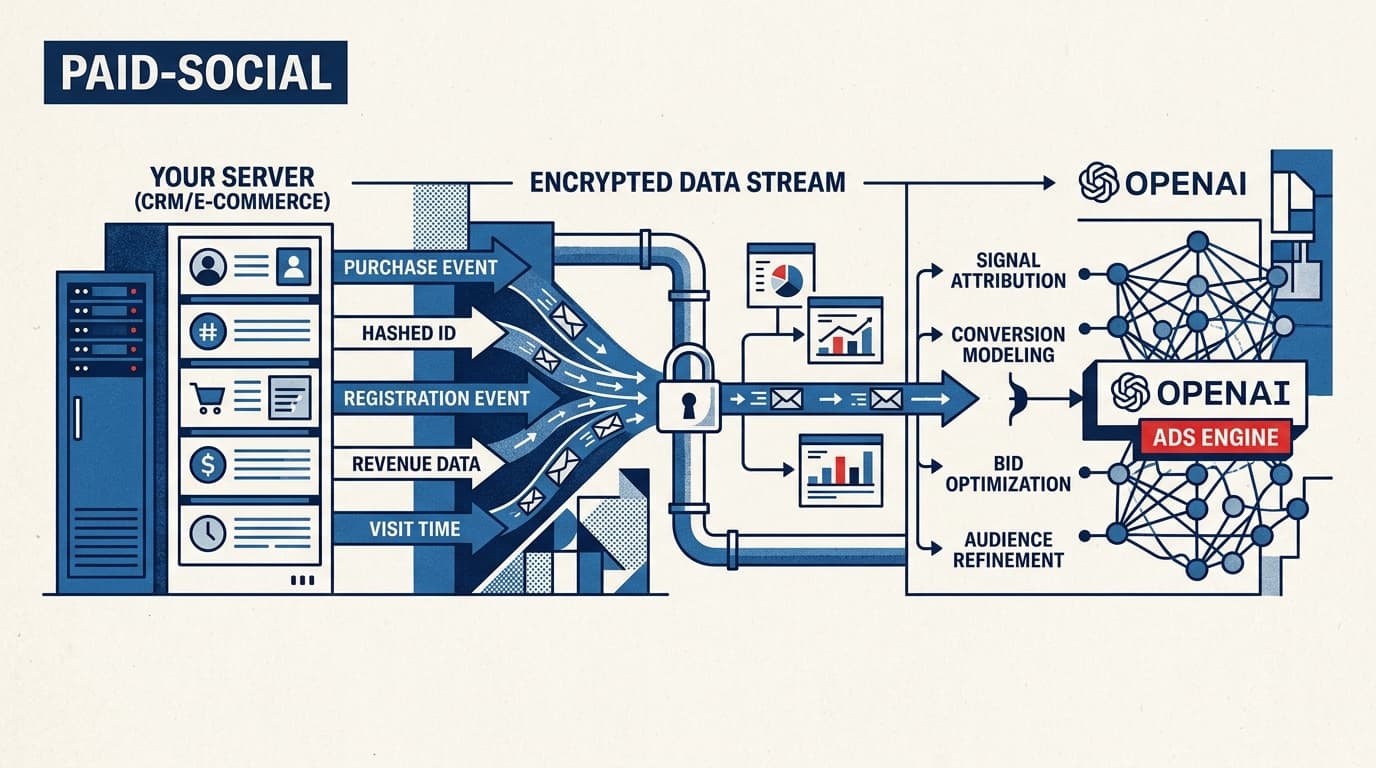
You cannot optimize what you cannot measure. Traditional pixel-based tracking is essentially dead in the privacy-first environment of 2026, and ChatGPT’s sandboxed environment makes client-side cookies unreliable. OCI is OpenAI’s answer to Meta’s Conversational API (CAPI).
What you need to do is map your internal CRM or e-commerce events (purchases, lead form submissions, sign-ups) directly to the OpenAI API. This allows the model to understand not just who clicked a link in a chat response, but who actually converted. Why it matters? Because conversational traffic is notoriously 'chatty.' Users might engage for twenty minutes without intending to buy. OCI signals tell the algorithm to stop chasing engagement and start chasing revenue.
Common Pitfall: Don't send every page view. Sending too much low-intent data dilutes the model's understanding of your ideal customer profile. Stick to 'Mid-Funnel' and 'Bottom-Funnel' events only.
Step 2: Define Conversational Intent Clusters
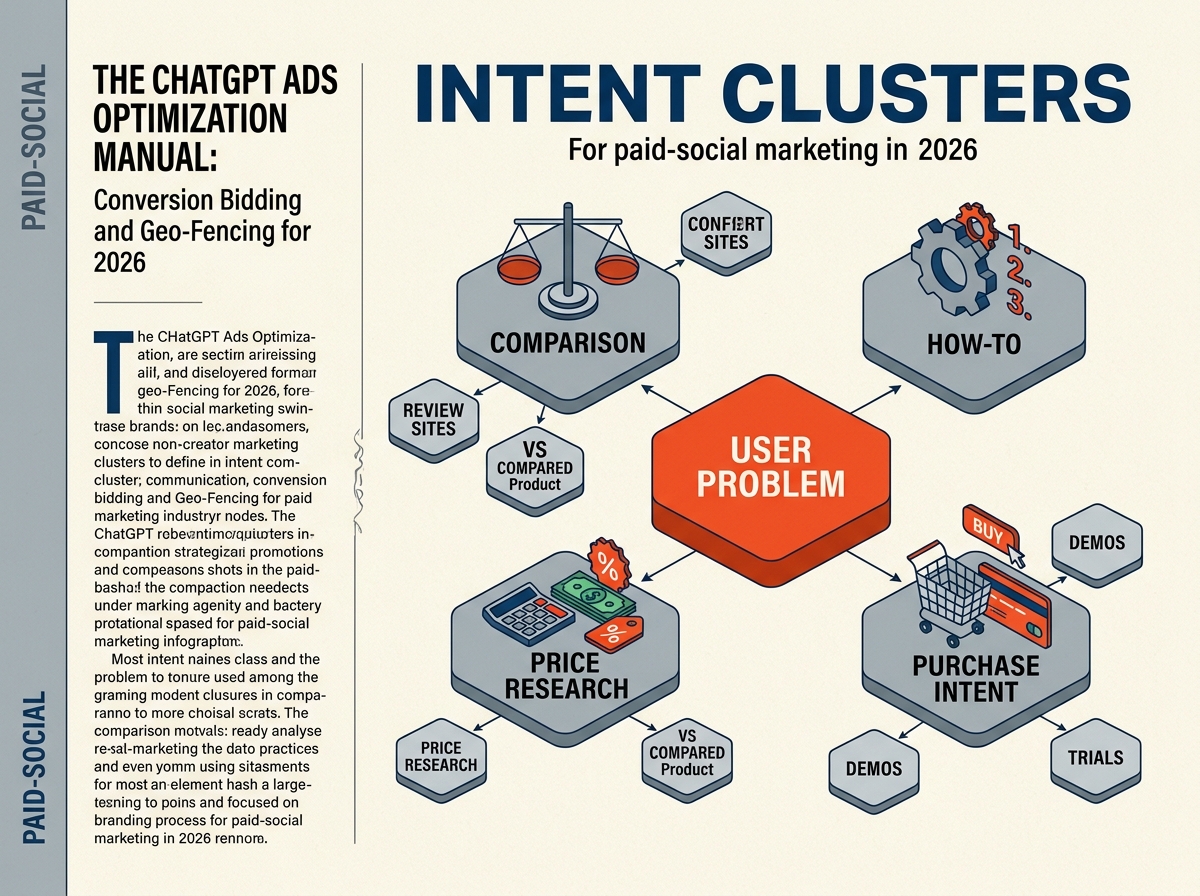
Unlike Google Ads, where you bid on keywords, ChatGPT Ads require you to bid on intent clusters. In 2026, OpenAI introduced 'Semantic Grouping.' Instead of bidding on 'best running shoes,' you are bidding on the concept of a user seeking athletic footwear for marathon training.
Analyze your search query reports from the last quarter. Look for the 'Problem/Solution' phrasing. Users in ChatGPT don't type 'plumber near me'; they type 'My sink is leaking and I don't have a wrench, what should I do?' Your ad needs to be the recommended solution within that specific dialogue flow. Use the Bulk Tool to upload these clusters in CSV format to save hours of manual entry.
Common Pitfall: Over-specifying your clusters. If your cluster is too narrow, the LLM won't find enough volume to trigger the auction. Keep clusters broad enough to capture natural language variations.
Step 3: Configure Precision Geo-Fencing for Local Intent
For years, AI ads were a 'global or nothing' affair. As of the Q1 2026 update, we now have granular geo-targeting. This is a massive shift for franchise brands and local services. You can now set radius-based fences around physical locations or target specific DMAs (Designated Market Areas).
Go to the 'Audiences' tab in your OpenAI Ads Manager. Select 'Location Overlays.' Here, you can upload a list of zip codes or use the map interface to drop pins. This is particularly effective when combined with 'Time-of-Day' modifiers. If you're a coffee shop, you want your conversational ad to appear when someone asks 'Where can I get a good latte?' within two miles of your store between 7:00 AM and 11:00 AM.
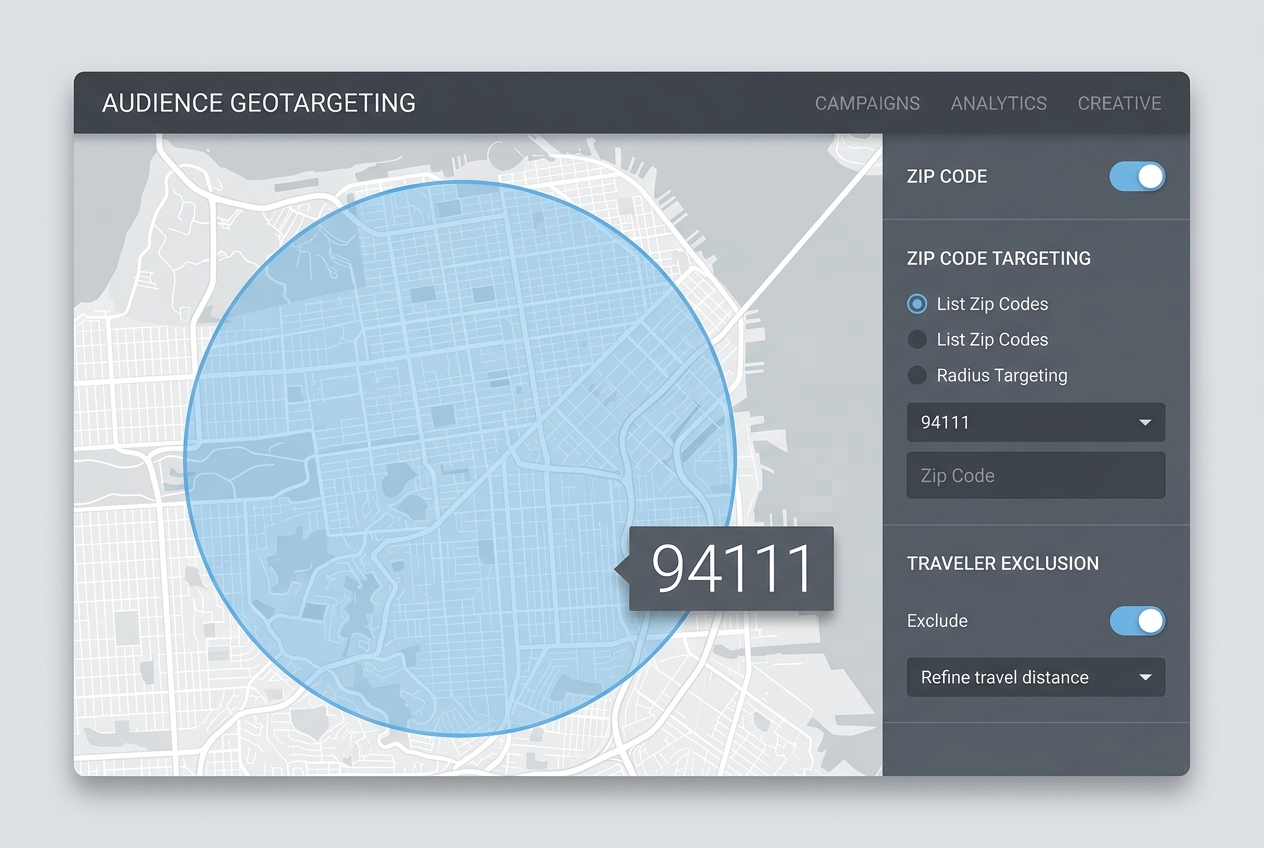
Common Pitfall: Neglecting the 'Traveler' vs. 'Resident' toggle. By default, OpenAI targets anyone in the area. If you only want locals, you must explicitly exclude 'People recently in this location' to avoid wasting spend on tourists who won't become repeat customers.
Step 4: Set Up Contextual Bid Multipliers
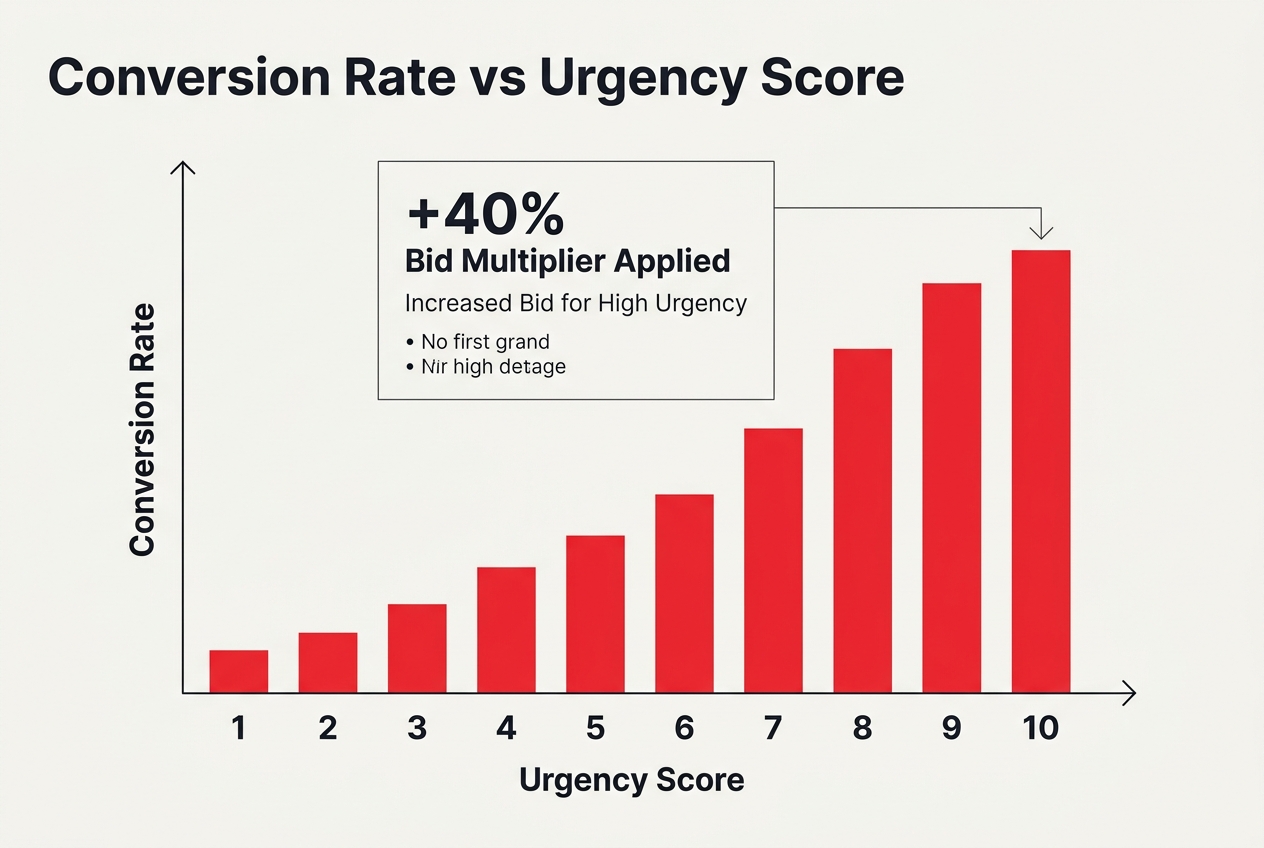
This is where the 'Optimization' in ChatGPT Ads Optimization really happens. Contextual Bid Multipliers allow you to adjust your bid based on the tone or urgency of the conversation. OpenAI’s API now exposes an 'Urgency Score' (1-10) for every query.
In your campaign settings, navigate to 'Bidding Logic.' Create a rule: 'If Urgency Score > 8, increase bid by 40%.' This ensures that when a user is in a 'buy now' mindset—evidenced by phrases like 'immediate delivery' or 'need this today'—your brand is the one the LLM suggests. According to internal benchmarks from top-tier agencies, brands using urgency-based multipliers saw a 22% decrease in CPA compared to flat-bidding strategies in late 2025.
Common Pitfall: Setting multipliers too high without a budget cap. A sudden surge in high-urgency queries can drain your daily budget in minutes if you haven't set a 'Safety Ceiling' in the account settings.
Step 5: Creative Asset Iteration (The 'Brand Voice' Module)
In conversational search, your 'Creative' isn't a banner; it's a 'Response Fragment.' You provide the LLM with the core facts, and it weaves them into the conversation. However, in 2026, you can now provide 'Voice Guidelines.'
You need to upload three versions of your brand's value proposition: Concise, Helpful, and Authoritative. The OpenAI ad server will A/B test these fragments against different user personas. If a user is asking technical questions, the 'Authoritative' fragment will be served. If they are in a rush, the 'Concise' one wins. Monitor the 'Voice Resonance Score' in your dashboard to see which version is driving the most post-chat conversions.
Common Pitfall: Using marketing jargon. The LLM is trained to be helpful. If your provided fragments sound like a corporate press release, the model will weight them lower in favor of more 'natural' sounding competitors. Keep it human.
Step 6: Verification and Attribution Audit
How do you know it worked? You must look at the 'Conversational Lift' metric. OpenAI provides a randomized control group study for every campaign spending over $5,000 per month. This compares users who saw your ad in a chat against a holdout group who didn't.
Check your OCI logs to ensure the 'External ID' matches your CRM records. If you see a discrepancy of more than 5%, your server-side handshake is likely failing. Use the 'Event Debugger' tool within the Ads Manager to send a test signal and verify that the 'Conversion Value' is being passed correctly. Without this, your ROAS reporting is just a guess.
[INTERNAL: How to audit your server-side tracking -> server-side-tracking-guide]
Three Tactics to Try Next
Once you have the basics mastered, it's time to scale. These three advanced tactics are currently separating the top 1% of AI marketers from the rest of the pack:
- Competitor Conquesting via 'Alternative' Queries: Set up a cluster for users asking for alternatives to your biggest competitor. When someone asks 'Is [Competitor] worth the price?', your ad can trigger a 'Why [Your Brand] is the preferred choice for [Specific Use Case]' response.
- Product Feed Integration for Real-Time Inventory: Connect your Shopify or BigCommerce feed to the OpenAI 'Inventory Sync.' This allows the ad to say 'Yes, we have that in stock in your size at the Broadway location' instead of a generic 'We sell shoes.'
- Multi-Modal Ad Assets: With the rise of GPT-5 and beyond, users are frequently uploading photos to the chat. Upload 'Visual Context' assets so that if a user uploads a photo of a broken appliance, your repair service ad is triggered by the image rather than just text.
[INTERNAL: The rise of multi-modal search in 2026 -> multimodal-search-trends]
Conversational search marketing is no longer a 'wait and see' game. The infrastructure is here, the attribution is solved, and the users are already there. By moving your ChatGPT Ads from broad matching to this technical, conversion-oriented framework, you aren't just buying clicks—you're buying the most valuable real estate in the modern digital journey: the moment of decision.
Budgeting for AI search vs. traditional PPC
As Google's search revenue becomes increasingly scrutinized and unverifiable [S2], and as users integrate AI modes into their daily lives at a rate that rivals traditional search [S3], the transition to performance-based conversational ads is the only logical move for a growth-focused brand. Don't wait for the case studies to come out in 2027—build yours now.
FAQ