
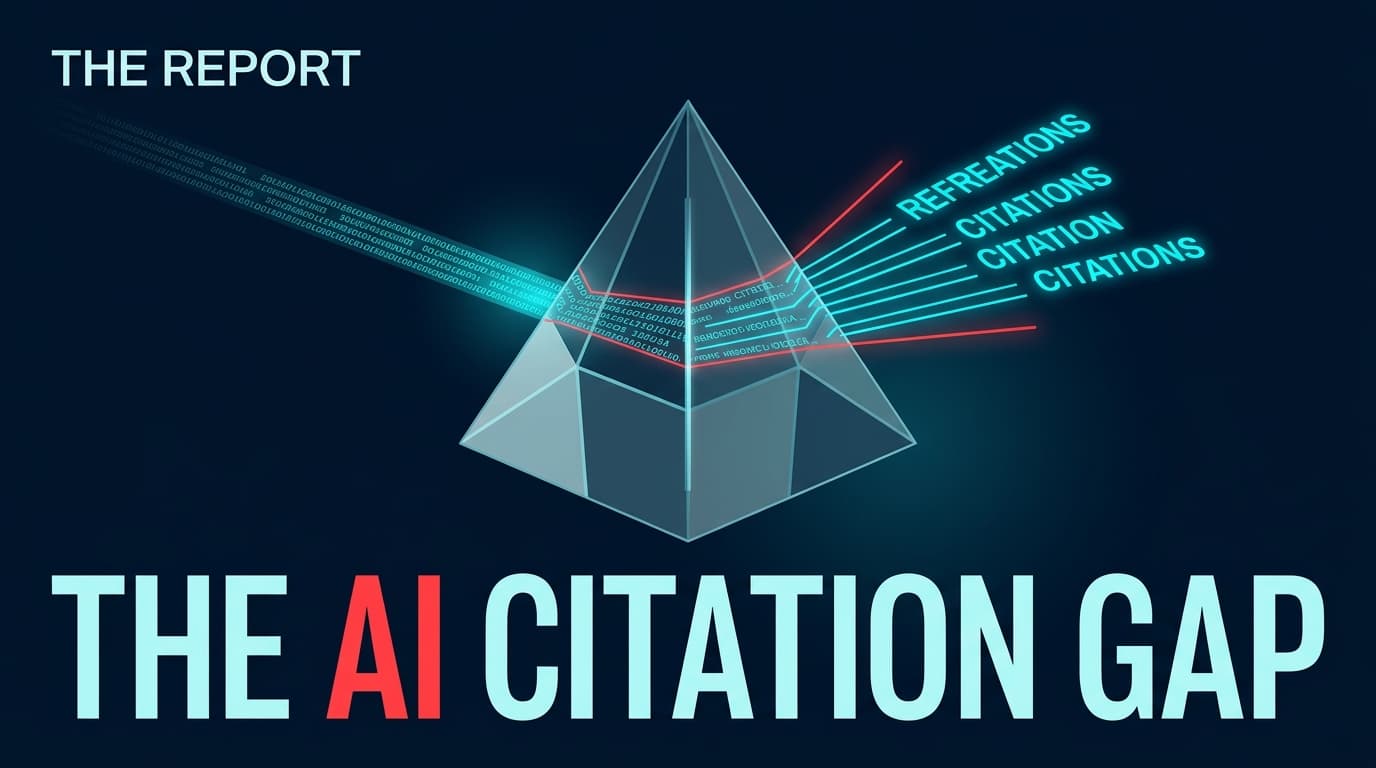
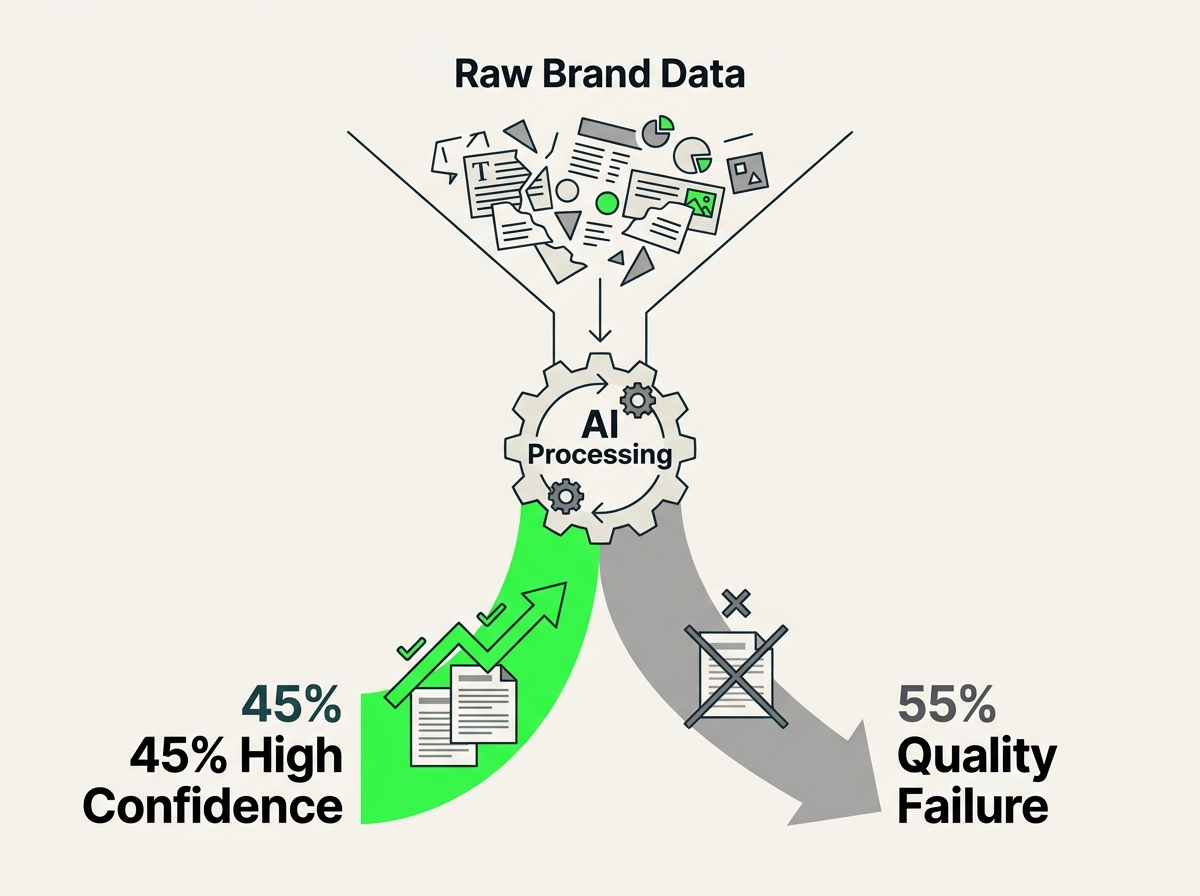
A new joint study from WARC and TikTok released in late July 2026 reveals a stark 'confidence gap' in the marketing industry, with 55% of practitioners admitting their AI-generated content fails to meet basic brand quality standards. While adoption of generative tools has reached near-ubiquity, the report highlights a critical failure in how brands feed these models, leading to a breakdown in discovery.
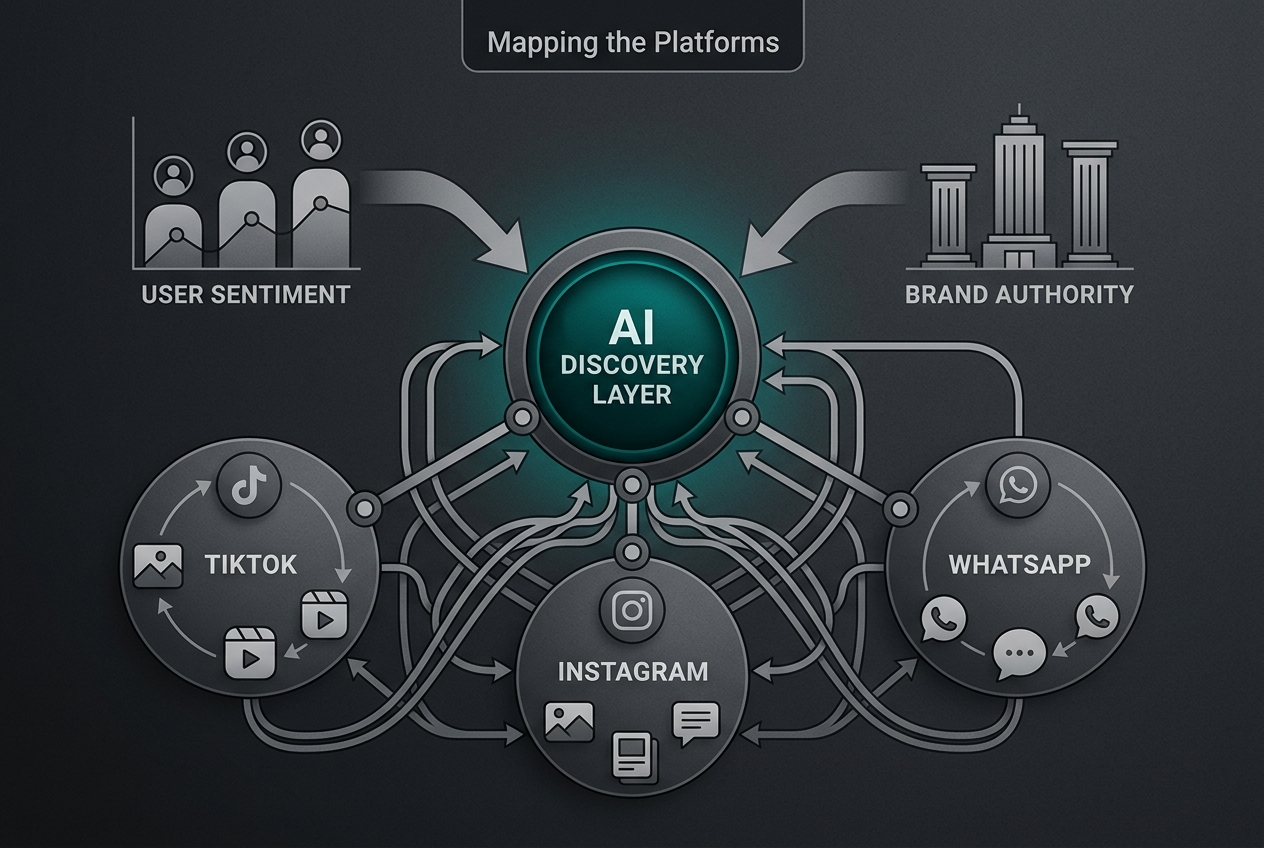
For social media managers and agency strategists, this isn't just an internal workflow problem. As search engines and social discovery layers move toward generative responses, the traditional mechanics of SEO are being superseded by what industry veteran Bill Hunt calls "highest-confidence evidence." If your brand's data is fragmented or inconsistent across platforms like TikTok and Instagram, AI engines will simply cite someone else. You are no longer competing for a blue link; you are competing to be the cited source of truth.
The Shift from Optimization to Evidence
The WARC data suggests that the era of 'gaming' the algorithm through keyword density is effectively over. In its place is a more rigorous requirement for brand sovereignty. As noted in recent Search Engine Journal analysis, AI doesn't reward the best-optimized page; it rewards the evidence it can verify with the highest degree of certainty.
This shift is particularly visible on TikTok, where the platform's internal search is increasingly functioning as a generative discovery engine. When a user asks for a product recommendation, the AI isn't just looking for hashtags. It is scanning transcripts, analyzing visual cues, and cross-referencing user comments to build a confidence score. If your brand's official messaging is buried under a mountain of low-quality, AI-spun junk, the engine's confidence drops.
How Meta's new Reels ranking changes paid budget pacing
We're seeing brands like American Eagle adapt to this by doubling down on high-authority human ambassadors. For their recent back-to-school campaign, American Eagle didn't just flood the feed with AI creative. They leveraged World Cup champion Lamine Yamal and other subculture leaders to provide the 'human evidence' that AI engines now use to validate brand relevance. It's a move away from mass-produced volume toward high-signal authority.
Why AI Output Quality is Tanking
The 55% failure rate cited in the WARC report stems from a fundamental misunderstanding of the AI 'source of truth.' Most marketing teams are using AI as a top-layer polish—generating captions or editing video—without fixing the underlying data the AI draws from.
According to the July 2026 Buffer analysis of AI video editors, the market is saturated with tools that can 'edit when you can't.' However, these tools are only as good as the raw assets provided. When marketers use generic prompts or low-fidelity brand guidelines, the resulting output lacks the specific 'brand voice' that differentiates a leader from a commodity.
Key takeaways from the WARC/TikTok findings include:
- Data Fragmentation: 42% of brands have conflicting product info across different social silos.
- The Citation Crisis: AI models are 3x more likely to cite third-party reviews over official brand sites if the brand site lacks structured data.
- The Quality Paradox: Increased AI usage has led to a 15% decrease in unique brand sentiment scores year-over-year.
To combat this, strategists are moving toward 'Brand Sovereignty'—a centralized, AI-readable repository of truth that ensures every model, whether it's ChatGPT or TikTok’s internal AI, receives the same high-confidence data points.
The Role of Platforms in the Confidence Race
Platforms are responding by giving marketers more granular control over their existing assets, acknowledging that 'freshness' is a key signal for AI confidence. Instagram’s recent update allowing users to change music on existing posts is a prime example. It’s not just a creative tweak; it’s a way to keep high-performing legacy content relevant to current trends without breaking the engagement signals that AI engines track.
Similarly, Meta’s latest updates to WhatsApp emphasize the platform as a place for 'life as it happens.' By integrating more utility into the messaging app, Meta is capturing the high-intent, private-sharing data that serves as a massive training set for its own Llama models. For a marketer, being 'citable' within these private ecosystems requires a level of trust that AI-generated spam cannot achieve.
[INTERNAL: The three creators who broke 1M followers this week using audio-first -> audio-first-creator-growth]
Immediate Strategic Implications
If you're currently in the 55% of marketers struggling with AI quality, your first step isn't a better prompt. It's a better foundation. You need to audit your brand's digital footprint through the lens of a machine, not a human.
- Structured Data is Non-Negotiable: If your product specs, pricing, and brand history aren't in a schema-ready format, you are invisible to the next generation of discovery.
- Audit Your Ambassadors: As American Eagle demonstrated, human ambassadors provide the 'social proof' that AI uses to verify brand claims. Choose partners based on their authority in specific niches, not just their follower count.
- Consolidate the Source of Truth: Stop letting social teams, web teams, and PR teams operate with different facts. A single, centralized AI-ready knowledge base is now a prerequisite for social success.
We're moving into a phase where the 'AI-Ready' brand is one that provides the most verifiable evidence. The platforms are ready. The tools, as Buffer’s testing shows, are more than capable. The bottleneck is the marketer’s ability to provide the high-confidence data these systems crave.
What to Watch Next
Keep a close eye on how TikTok expands its 'Search Ads Toggle' and whether it begins to integrate more direct generative answers into its search tab. If TikTok starts providing 'The Best Jeans for Gen Z' as a single AI-generated paragraph rather than a grid of videos, your brand needs to be the one it quotes.
[INTERNAL: Measurement and attribution challenges in a post-cookie world -> post-cookie-attribution-guide]
Expect to see more platforms introduce 'Verified Source' badges for content that can be traced back to a brand's official repository. The 'Confidence Gap' is a warning shot: those who rely on AI to do the thinking will be replaced by those who use AI to amplify their most authoritative truths.

As you plan your Q4 budgets, shift a portion of your 'content creation' spend into 'data integrity.' It isn't the most glamorous part of the job, but in an AI-driven discovery landscape, it's the only way to ensure you're not just part of the noise, but the signal the world is actually looking for.
FAQ