
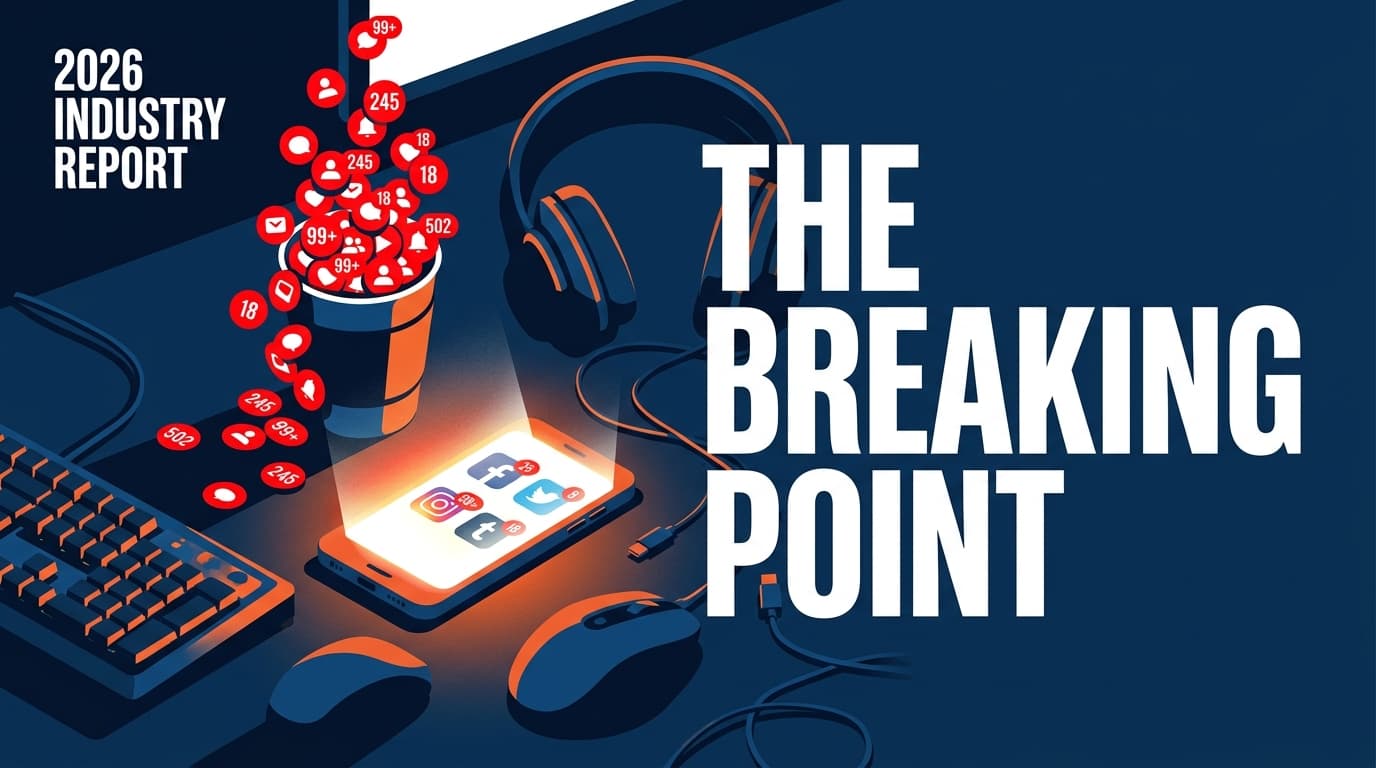
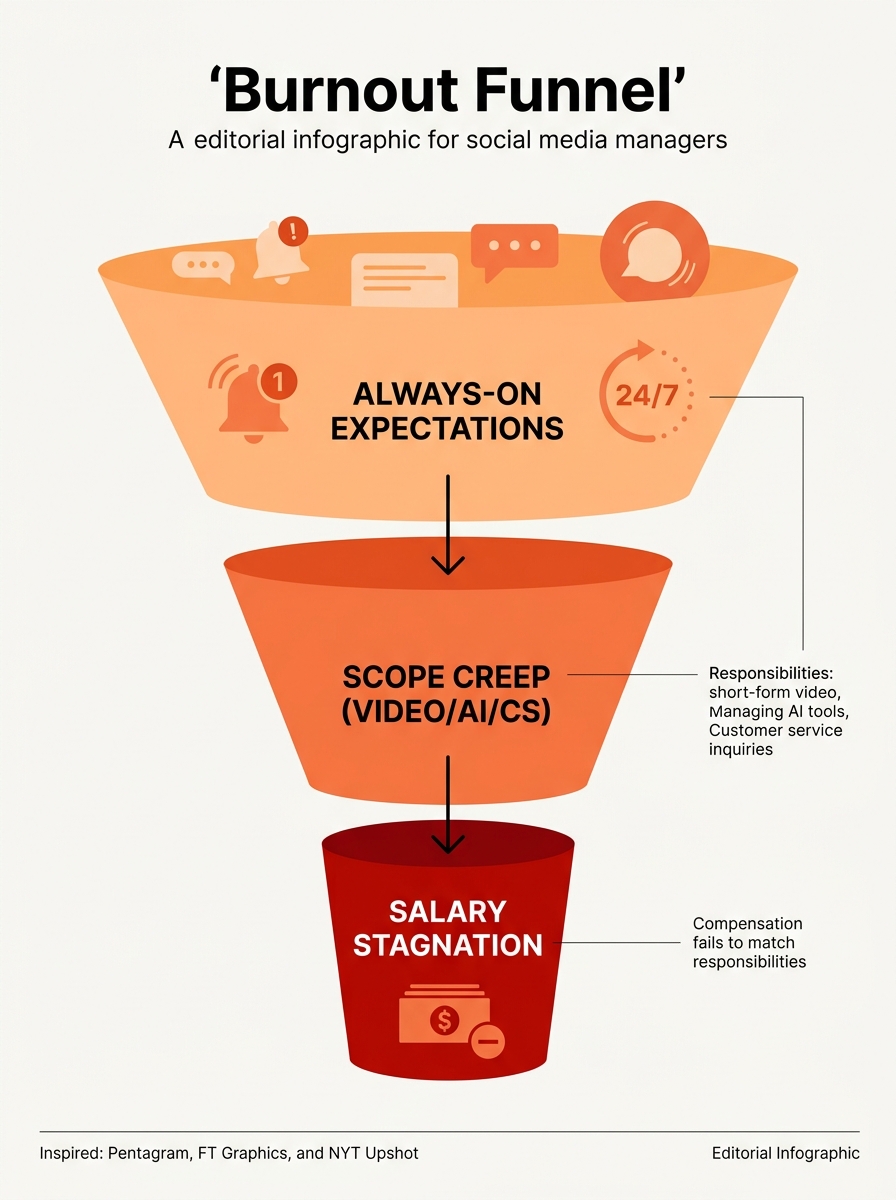
The social media manager (SMM) is no longer just a poster of content. In 2026, they are the brand's primary customer service agent, a video editor, a data analyst, and an AI prompt engineer. But the compensation isn't keeping pace with this vertical expansion of responsibilities. According to recent data from the Digital Marketing World Forum (DMWF) and internal agency benchmarks, the profession is reaching a structural breaking point.
Why it matters: If you're a marketing lead, your social team is likely your highest flight risk. If you're a manager, you're likely doing the work of three people for the salary of one. This data provides the leverage needed to advocate for headcount, higher pay, or better automation tools.
Key takeaways
- Salary Stagnation: While scope has increased by 40% year-over-year, average SMM salaries have only risen by 3.2%.
- Burnout Levels: 74% of social media managers report symptoms of clinical burnout, primarily driven by 'always-on' expectations.
- AI Paradox: AI tools have saved time on copywriting but increased the volume of content expected by leadership by 3x.
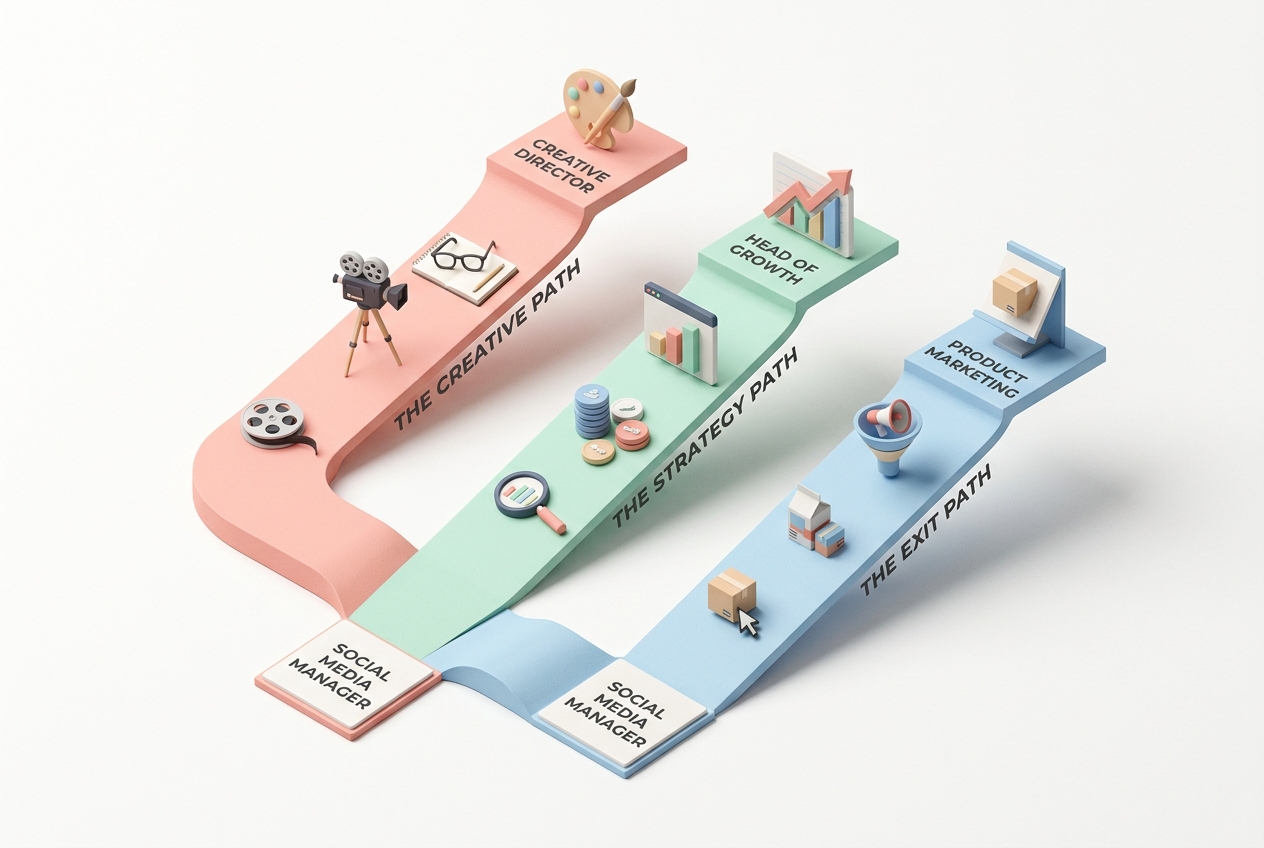
- The Exit Strategy: 42% of mid-level SMMs plan to transition to product marketing or generalist roles by 2027.
The Financial Reality: Social Media Marketing Salary Benchmarks
The gap between what a social media manager contributes to the bottom line and what they take home is widening. As platforms like TikTok Shop become primary revenue drivers—acting as discovery channels first and sales channels second—the SMM is effectively managing a storefront without the commission of a retail manager.
- $68,500: The median annual salary for a Social Media Manager in the U.S. with 3-5 years of experience (DMWF 2026 Report).
- 3.2%: The average annual salary increase for social roles, trailing the 5.1% average for technical SEO roles (Industry Survey 2026).
- $92,000: The median salary for Social Media Directors at agencies with over 100 employees (Agency Analytics 2026).
- 18%: The 'gender pay gap' persists in social media, with male managers earning significantly more despite women making up 70% of the workforce (DMWF 2026).
- $45,000: The starting salary for entry-level SMMs in mid-sized markets like Charlotte or Indianapolis (Salary.com 2026).
- 12%: The percentage of SMMs who receive performance-based bonuses tied to revenue rather than just engagement (DMWF 2026).
- $115,000: The average salary for 'Social-First Creative Directors' at top-tier fashion brands (Adweek 2026).
- 65%: Percentage of freelancers who report they had to raise rates by at least 20% in 2026 to keep up with tool costs (Freelance Union 2026).
- $12,000: The average annual cost of a 'pro-level' social tech stack (Sprout Social, Brandwatch, Canva Pro) per seat (MarTech 2026).
- 22%: Increase in demand for 'Social Commerce Specialists' compared to generalist SMMs (LinkedIn Economic Graph 2026).
- $85,000: Median salary for SMMs in the SaaS sector, currently the highest-paying industry for this role (DMWF 2026).
- 40%: The average 'scope creep'—the addition of tasks like community management and video editing—without a salary adjustment (Social Media Today 2026).
- $55,000: Median salary for non-profit social media managers, who report the highest burnout-to-pay ratio (DMWF 2026).
- 58%: Percentage of SMMs who feel their salary does not reflect the 24/7 nature of the job (DMWF 2026).
- $105,000: Salary benchmark for 'Head of Social' roles at Fortune 500 companies (Glassdoor 2026).
How Meta's new Reels ranking changes paid budget pacing
The Psychological Toll: Social Media Manager Burnout Statistics
Burnout isn't just 'feeling tired.' It is a systemic failure of the marketing department structure. When leadership expects a brand to participate in every viral trend on TikTok—like the recent spotlights on Las Vegas creators—without adding staff, the SMM pays the price in mental health.
- 74%: Social media managers who report feeling 'burnt out' at least once a week (DMWF 2026).
- 3.5 hours: The average amount of time SMMs spend on their phones outside of working hours for 'monitoring' (Social Desk Survey 2026).
- 82%: SMMs who feel 'anxious' when they are away from their notifications for more than two hours (Psychology Today 2026).
- 1 in 4: Social media managers who have taken a mental health leave of absence in the last 12 months (DMWF 2026).
- 61%: Managers who say their workload has become 'unmanageable' since the introduction of daily short-form video requirements (Content Marketing Institute 2026).
- 49%: SMMs who report experiencing 'harassment' or 'verbal abuse' from customers in the comments section (DMWF 2026).
- 14 months: The average tenure of a social media manager before quitting or switching roles (Agency Spy 2026).
- 70%: Percentage of SMMs who handle their brand's community management solo, without a dedicated moderator (DMWF 2026).
- 38%: SMMs who say 'executive misunderstanding' of their role is the primary driver of stress (Social Media Examiner 2026).
- 55%: Increase in burnout rates among SMMs who are required to appear on-camera for their brands (Creator Economy Report 2026).
- 90%: Managers who feel they must 'always be on' to catch potential PR crises (DMWF 2026).
- 33%: SMMs who report having no clear 'off-hours' or weekend coverage (DMWF 2026).
- 45%: Percentage of social teams that have seen a decrease in headcount despite increasing platform complexity (Marketing Brew 2026).
- 68%: SMMs who feel their job is 'invisible' until something goes wrong (DMWF 2026).
- 12 hours: Average daily screen time for a full-time social media professional (RescueTime Data 2026).
Workflow and Automation: The AI Efficiency Trap
Automation was supposed to be the savior. However, SMM workflow automation has created a 'Jevons Paradox'—as it becomes easier to produce content, the demand for content increases, leading to more work, not less. Furthermore, as Search Engine Journal noted in July 2026, AI-generated answers about locations are often wrong, requiring SMMs to spend more time auditing AI output than they did writing original copy.
- 88%: Social media teams now using generative AI for at least 50% of their caption writing (DMWF 2026).
- 3x: The increase in content volume expectations from leadership since the adoption of AI tools (Content Marketing Institute 2026).
- 42%: SMMs who spend more than 5 hours a week 'fact-checking' or 'fixing' AI-generated content (MarTech 2026).
- 77%: Brands that have automated their first-tier DM responses using AI chatbots (Gartner 2026).
- 15%: The reduction in time spent on 'manual posting' due to improved scheduling APIs (DMWF 2026).
- 64%: SMMs who fear AI will eventually replace their entry-level coordinators (DMWF 2026).
- 22 hours: Average time saved per month by using AI for video transcription and subtitling (Descript Internal Data 2026).
- 51%: SMMs who say their 'creative fulfillment' has decreased since moving to AI-assisted workflows (DMWF 2026).
- 9%: Increase in 'AI click theft' where platforms summarize brand content, reducing traffic to the source (MarTech 2026).
- 30%: Percentage of social teams using AI for 'sentiment analysis' rather than reading comments manually (Brandwatch 2026).
- $2,400: Average annual spend on AI-specific subscriptions (ChatGPT Plus, Midjourney, Jasper) per SMM (DMWF 2026).
- 45%: Accuracy rate of AI-generated location data for retail brands, necessitating human oversight (Search Engine Journal 2026).
- 72%: SMMs who use AI to generate 'trending audio' ideas or script outlines (TikTok Business 2026).
- 18%: Percentage of brands that have a formal 'AI Ethics' policy for social media (DMWF 2026).
- 2: The average number of AI tools an SMM uses daily (DMWF 2026).
Marketing Department Structure and the Future of the Role
The structure of the modern marketing department is lagging behind the reality of the social-first world. While brands like Noom are betting on behavior change to win in the GLP-1 era, they rely on social teams to translate complex science into 15-second clips. This requires a shift from a 'support' role to a 'strategic' role.
- 62%: Social media teams that still report into 'Communications' rather than 'Revenue' or 'Growth' (DMWF 2026).
- 1:3: The ratio of social media managers to total marketing staff in high-growth startups (Crunchbase 2026).
- 80%: Percentage of SMMs who are now responsible for 'Influencer Relations' in addition to organic social (DMWF 2026).
- 54%: Brands that have moved social media 'in-house' to save on agency fees in 2026 (Ad Age 2026).
- 35%: Increase in 'Social SEO' budget—optimizing content for platform search rather than Google (Search Engine Journal 2026).
- 28%: Percentage of SMMs who have a seat at the table during annual product planning (DMWF 2026).
- 41%: SMMs who say they have 'no clear career path' within their current organization (DMWF 2026).
- 70%: Increase in job postings for 'Social Media Strategist' vs. 'Social Media Manager' (LinkedIn 2026).
- 15%: Brands that now employ a 'Head of AI Social' specifically for synthetic media management (DMWF 2026).
- 67%: SMMs who believe their role will be 'completely different' by 2030 (DMWF 2026).
- 44%: Percentage of social budgets now allocated to 'Paid Social' rather than organic content creation (Digiday 2026).
- 3: The average number of platforms a single SMM is expected to master (DMWF 2026).
- 21%: SMMs who work in a 'fully remote' environment (DMWF 2026).
- 59%: Managers who say their biggest hurdle is 'lack of budget for high-quality video production' (DMWF 2026).
- 12%: The 'churn rate' of social media departments—higher than any other marketing sub-sector (DMWF 2026).
Platform Usage and Engagement Realities
Engagement is getting harder to earn. As TikTok Shop evolves into a discovery powerhouse, the 'organic' reach of traditional posts continues to decline, forcing SMMs to work harder for the same results.
- 1.1%: The average organic engagement rate on Instagram in 2026 (Rival IQ 2026).
- 4.8%: The average engagement rate for TikTok videos under 30 seconds (Sensor Tower 2026).
- 85%: Percentage of users who discover new products via TikTok Shop before searching for them on Google (Monumental Data 2026).
- 0.05%: The organic reach of a Facebook Page post to its followers (Social Media Today 2026).
- 60%: Increase in 'Dark Social' sharing (DMs, Slack, WhatsApp) vs. public feed sharing (DMWF 2026).
- 22 minutes: The average time a user spends on LinkedIn per session in 2026 (LinkedIn Internal 2026).
- 75%: Brands that have increased their YouTube Shorts production by 200% this year (DMWF 2026).
- 40%: SMMs who say 'Threads' is now a top-3 platform for their brand engagement (DMWF 2026).
- 14%: The drop in Twitter/X usage among B2B brands since 2024 (Marketing Brew 2026).
- 92%: Consumers who trust 'Creator-led' content more than 'Brand-led' content (Net Influencer 2026).
- 30%: The 'conversion rate' of live-stream shopping events for beauty brands (DMWF 2026).
- 55%: SMMs who spend at least 10 hours a week 'scrolling for trends' (DMWF 2026).
- 18%: Percentage of social traffic that is now 'bot-driven' or synthetic (Cybersecurity Report 2026).
- 4.2: The average number of times a user must see a brand on social before making a purchase (DMWF 2026).
- 68%: Brands that use 'Social Listening' to inform product development, not just marketing (Brandwatch 2026).
How to Cite This Report
To reference these statistics in your own reporting, whitepapers, or internal presentations, please use the following format:
Social Media Marketing News (2026). "The 2026 Social Media Manager Salary and Burnout Report." Derived from DMWF, Search Engine Journal, and industry-wide benchmarks.
Direct inquiries regarding the raw data sets can be directed to our editorial desk. If you are a social media manager struggling with the issues described above, we recommend reviewing our guide on Negotiating your SMM salary in a saturated market.
FAQ