


TikTok has agreed to a $400 million settlement with U.S. regulators to resolve allegations that the platform violated the Children’s Online Privacy Protection Act (COPPA). The settlement, announced in late August 2026, marks the largest penalty of its kind, addressing long-standing concerns over the unauthorized collection of data from users under the age of 13.
For brand marketing leads and agency strategists, this isn't just a headline about ByteDance’s balance sheet. It signals a fundamental shift in how TikTok’s safety algorithm will treat content that blurs the line between adult entertainment and child-appealing themes. If you've been running campaigns for toys, snacks, or lifestyle products that skew younger, the rules of engagement just changed.
Key takeaways
- Algorithmic Aggression: TikTok will deploy enhanced AI classifiers to identify "kid-adjacent" content, automatically restricting its reach to users with unverified ages.
- Creative Constraints: The settlement mandates stricter definitions for what constitutes "directed at children," including the use of specific colors, music, and animated characters.
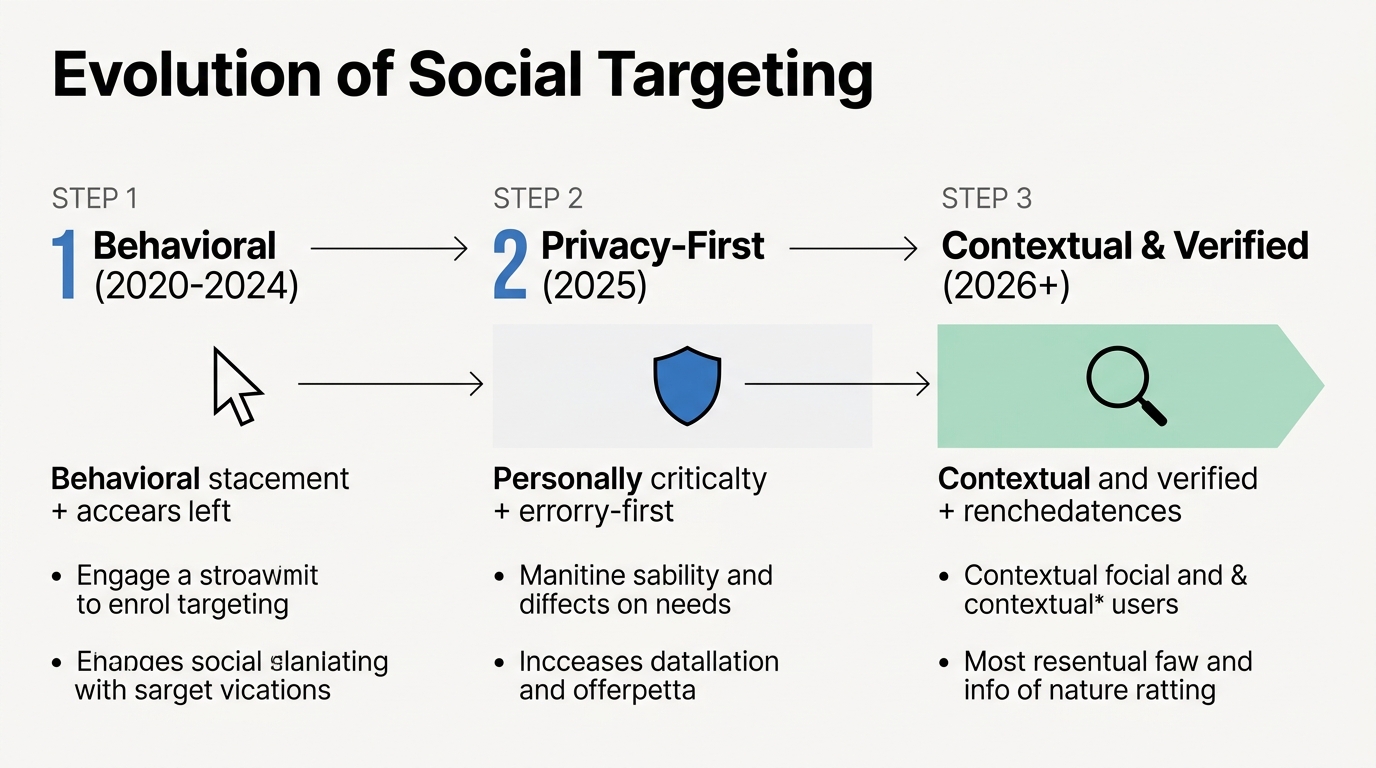
- Data Silos: Expect a total deprecation of behavioral targeting for any account flagged as potentially minor-owned, moving brands back toward contextual-only placement.
The $400 Million Price Tag and the Push for Algorithmic Policing
The settlement follows a multi-year investigation into TikTok’s handling of younger users. According to reports from Storyboard18, the core of the U.S. children's privacy case centered on the platform's failure to adequately delete data from users under 13 and its inability to prevent those users from bypassing age gates. Unlike previous smaller fines, this $400 million agreement includes a court-enforced mandate to rebuild the platform’s age-verification and content-filtering infrastructure.
For years, TikTok has operated on a "don't ask, don't tell" rhythm regarding its younger demographic. While the official minimum age is 13, the platform's viral nature has naturally attracted a massive under-13 ghost audience. This settlement effectively ends that era of plausible deniability. TikTok is now legally obligated to be proactive rather than reactive.
We expect the platform to lean heavily on its Computer Vision (CV) models to scan every frame of uploaded content—not just for prohibited items, but for "child-directed signals." If your brand’s creative features bright primary colors, high-pitched voiceovers, or specific meme formats popular in elementary schools, the algorithm may shadow-restrict that content from appearing in general feeds to avoid COPPA liability. This creates a new layer of brand safety audits that teams must clear before hitting 'publish'.
The Death of the 'Kid-Adjacent' Loophole
Until now, many brands operated in a gray area. A beverage brand might use bright, bubbly animation that technically targets Gen Z but clearly appeals to 10-year-olds. Under the new compliance framework, this "kid-adjacent" creative strategy becomes a liability.
TikTok’s internal moderation guidelines, which have historically been a black box, are being overhauled to align with the FTC’s strict definitions of child-directed media. Per Shopify’s analysis of TikTok Ads in 2026, the platform is already introducing "Age-Appropriate Content Checkers" within the Ads Manager. These tools provide a pre-flight risk score, warning buyers if their creative contains elements that might trigger a COPPA flag.
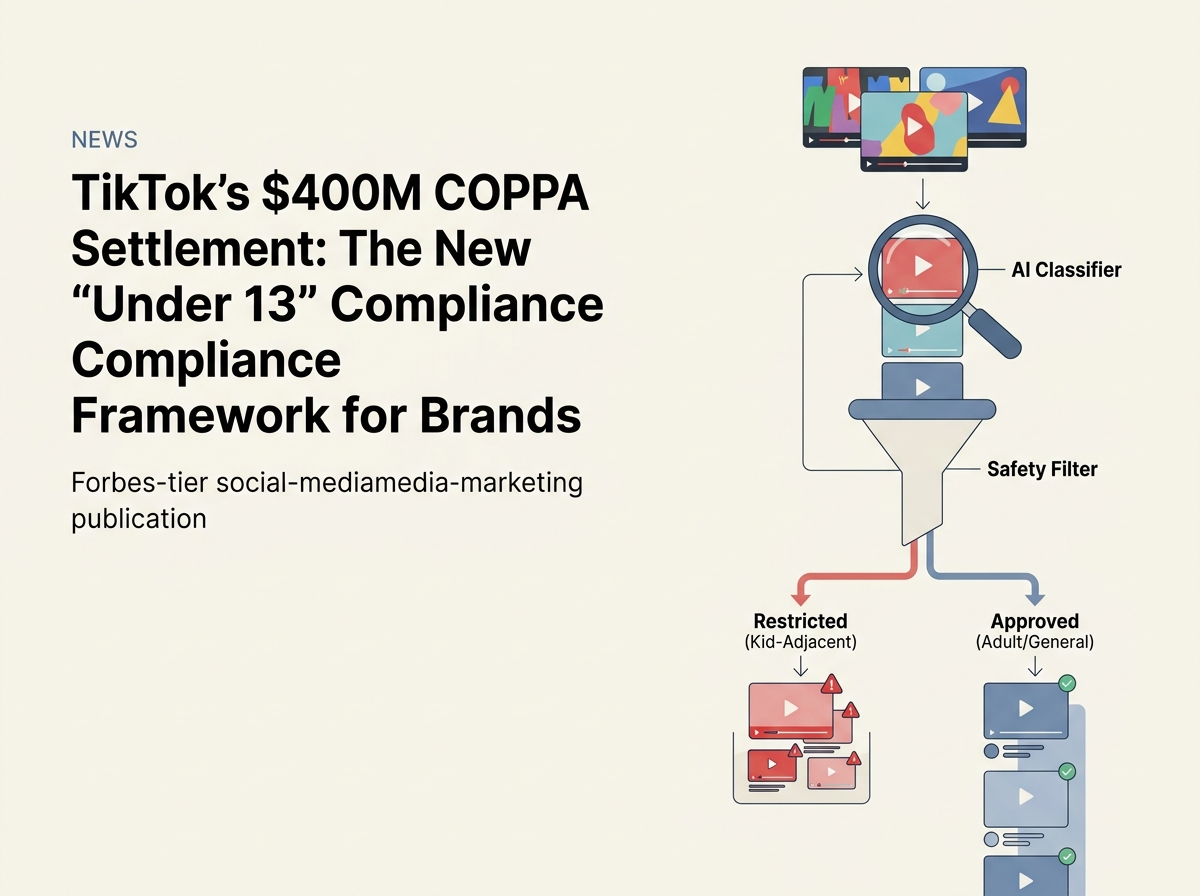
If a piece of content is flagged, it won't just be hidden from kids; it will likely suffer a delivery penalty across the board. The platform cannot risk a miscalculation where a child-directed ad accidentally serves to a minor. To stay safe, the algorithm will default to caution, potentially throttling the CPMs and reach of any brand that doesn't clearly signal its "adult-only" intent. This is a massive shift for TikTok marketing agencies who have built their reputations on high-energy, youth-focused aesthetics.
Targeting Restrictions: From Behavioral to Contextual
The settlement specifically targets how TikTok uses data to serve ads. For years, the platform’s "For You Page" (FYP) has been the gold standard for behavioral targeting, knowing what you want before you do. However, COPPA strictly prohibits the collection of behavioral data from children without verifiable parental consent.
As a result, we are seeing the revival of contextual targeting. If you are a brand in the gaming, toy, or confectionery space, you can no longer rely on the algorithm to find "interested" users via their past watch history if there is any risk those users are minors. Instead, you'll be forced to target based on specific hashtags, creator niches, or time-of-day—methods that feel like a regression to 2015-era digital marketing.
According to a former TikTok employee interviewed by Business Insider, the internal pressure to maintain growth while satisfying regulators has led to "extreme friction" in the ad-product pipeline. The platform is caught between wanting to offer hyper-targeted ads to adults and needing to build a wall around anyone who might be a child. For you, the buyer, this means your Custom Audiences and Lookalike models may see a sudden drop in size as TikTok purges unverified or "high-risk" profiles from its data pools.
Creative Strategy: How to Avoid the Safety Flag
How do you market a product that appeals to all ages without getting buried by the safety algorithm? The answer lies in "Mature Aesthetic Signaling."
Brands must now consciously design creative that the AI recognizes as intended for adults. This doesn't mean boring content; it means avoiding the specific triggers the FTC uses to define child-targeted media.
What to avoid in your 2026 creative:
- High-Saturation Primary Colors: The algorithm identifies heavy use of bright reds, yellows, and blues as "child-appealing."
- Simplified Language: Scripts that use overly basic syntax or "nursery" rhythms will be flagged.
- Specific Animation Styles: Flat, 2D character animations that resemble Saturday morning cartoons are now high-risk.
- Influencer Age: Using creators who look significantly younger than 18—even if they are technically adults—can trigger a review.
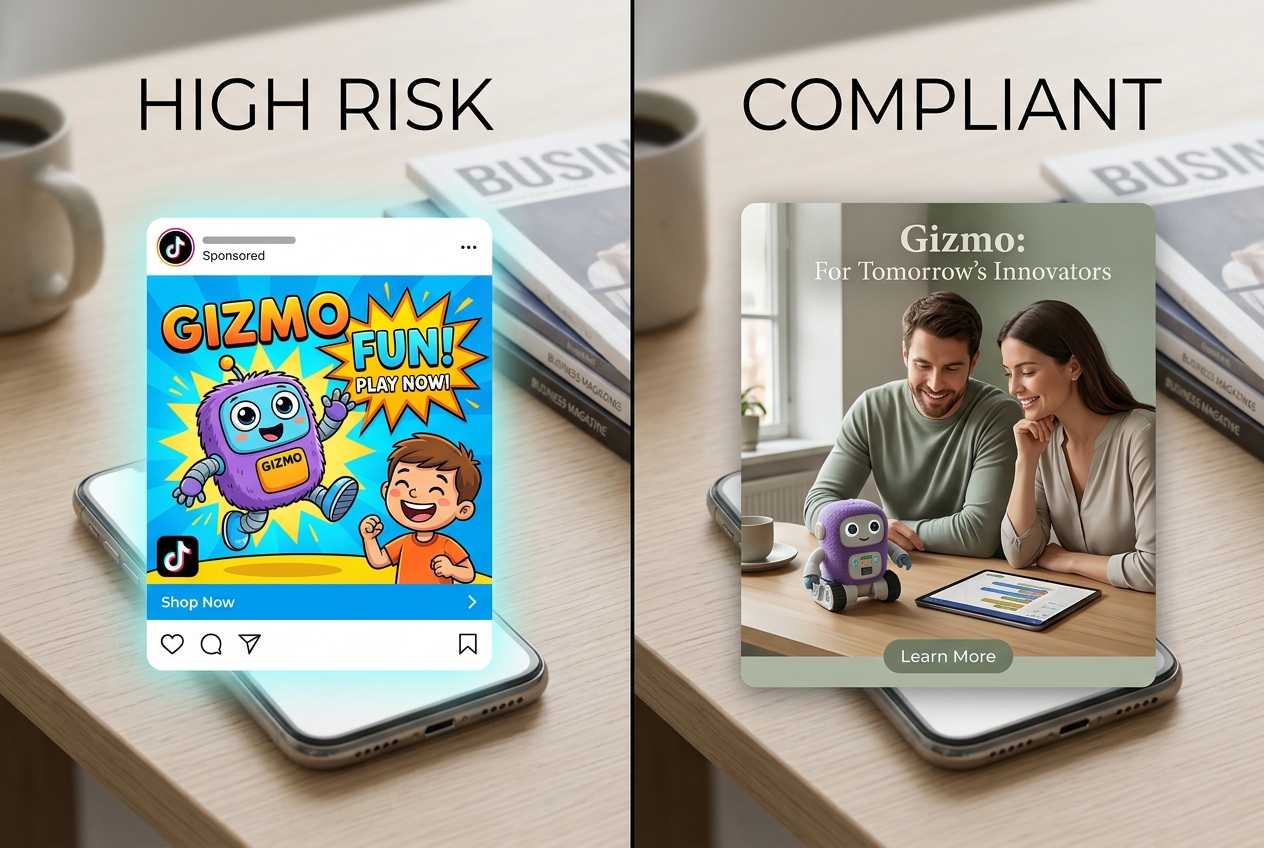
Instead, focus on lifestyle-led content that emphasizes utility, complex humor, or sophisticated visual palettes (muted tones, film grain, high-contrast lighting). You want the algorithm to see your video and categorize it alongside "Home Decor" or "Personal Finance" rather than "Entertainment" or "Toys."
The Ripple Effect Across the Social Landscape
TikTok isn't the only one under fire. As noted in recent updates regarding the Instagram Algorithm 2026, Meta is also tightening its grip on minor-safety to avoid similar $400 million headaches. We are entering an era of "Regulated Reach."
The 2026 landscape is one where the platform is no longer your partner in reaching the widest possible audience; it is a gatekeeper trying to avoid a federal lawsuit. This means your organic strategy needs to be just as compliant as your paid strategy. An organic viral hit that attracts too many under-13 comments could lead to your entire account being flagged for a "Minor Safety Audit," resulting in a temporary freeze on all ad activity.
What to Watch Next: The Verifiable Parental Consent (VPC) Hurdle
The next phase of this settlement involves TikTok implementing a more robust Verifiable Parental Consent (VPC) mechanism. If TikTok can successfully roll this out, it might actually open up a "Safe Harbor" for brands to legally target younger teens with parental approval. However, early tests of VPC in other apps have shown a 90% drop-off rate—parents simply don't want to upload their ID or credit card info just so their kid can watch short-form videos.
For now, the safest bet is to assume the "under 16" demographic (to be safe, rather than just under 13) is becoming a dark pool. Brands should reallocate budgets toward platforms or formats where the audience is verified through third-party purchase data rather than just platform-level engagement signals.
Keep a close eye on your "Audience Insights" tab in TikTok Business Center. If you see a sudden shift in your demographic breakdown—specifically a disappearance of the "18-24" segment—it may be that TikTok has re-classified a large portion of those users as "Age Unknown" and is excluding them from your targeting to satisfy the terms of the $400 million settlement.
Conclusion: The New Compliance Reality
The $400 million settlement is a watershed moment. It marks the end of the "Wild West" era of TikTok growth where brands could ignore the platform's demographic leakage. Moving forward, compliance is a creative pillar, not just a legal one. You must build your content with the algorithm's safety filters in mind, or risk being silenced by the very machine that made TikTok famous.
FAQ