
Is your YouTube channel one policy violation away from a total revenue blackout? For years, creators operated under a 'don't ask, don't tell' relationship with the YouTube Partner Program (YPP). You posted, the ads ran, and the check arrived. But YouTube’s recent 'clarification' of its monetization guidelines suggests the platform is tightening the leash on what it deems 'advertiser-friendly' and 'original.' This isn't just a slap on the wrist for fringe creators; it is a fundamental shift in how the algorithm evaluates the value of your entire video library.
Why it matters: If you are managing a brand channel or a creator business, these changes mean that content which was safe six months ago could now trigger a channel-wide demonetization event. YouTube is moving away from per-video policing toward a holistic 'channel health' model. One bad series can now sink your entire AdSense account.
Key takeaways
- The 'Low-Effort' Trap: YouTube is aggressively flagging repetitive or templated content, even if it is technically original.
- AI Transparency: While Google is pushing AI through tools like AI Max (per July 2026 data), YouTube requires clear disclosure for synthetic media to remain monetizable.
- Backlog Liability: The algorithm is retroactively scanning old videos; a 'clean' 2026 doesn't protect you from a 'messy' 2022.
The Repetitive Content Crackdown
Think of your YouTube channel like a curated gallery. For years, some creators treated it more like a factory floor, pumping out slightly modified versions of the same video to capture different search terms. YouTube’s updated monetization rules now explicitly target 'Repetitive Content.' This doesn't just mean re-uploading the same file. It refers to content that is so similar that a viewer would have trouble distinguishing one video from another on the same channel.
For brand-creators, this is a major hurdle. If you are an agency strategist following the 'thoughtful growth' model championed by leaders like Brandon Cooke at BarkleyOKRP, you know that scaling requires efficiency. But if that efficiency leads to a series of videos using the same background, the same voiceover script with three words changed, and the same stock footage, you are in the crosshairs. YouTube’s automated systems are now trained to identify these patterns. They aren't looking for copyright matches; they are looking for a lack of 'significant educational or entertainment value' across the catalog.
We are seeing a specific rise in 'templated' demonetization. This occurs when a channel uses a rigid formula—think 'Top 10 [City] Real Estate'—where only the city name and images change. Even if you own the footage, the lack of a unique narrative arc in each video makes the channel ineligible for the YPP. To the algorithm, this looks like spam designed to game the search engine rather than serve the viewer.
AI and the 'Synthetic Media' Disclosure Mandate
As we move into the latter half of 2026, the irony of the Google ecosystem is palpable. On one hand, Google’s AI Max is expanding monetizable search queries by billions by better matching complex intent. On the other, YouTube is becoming the most restrictive platform for AI-generated video. The 'clarification' here is simple: if it looks real but isn't, and you don't tell the viewer, you don't get the money.
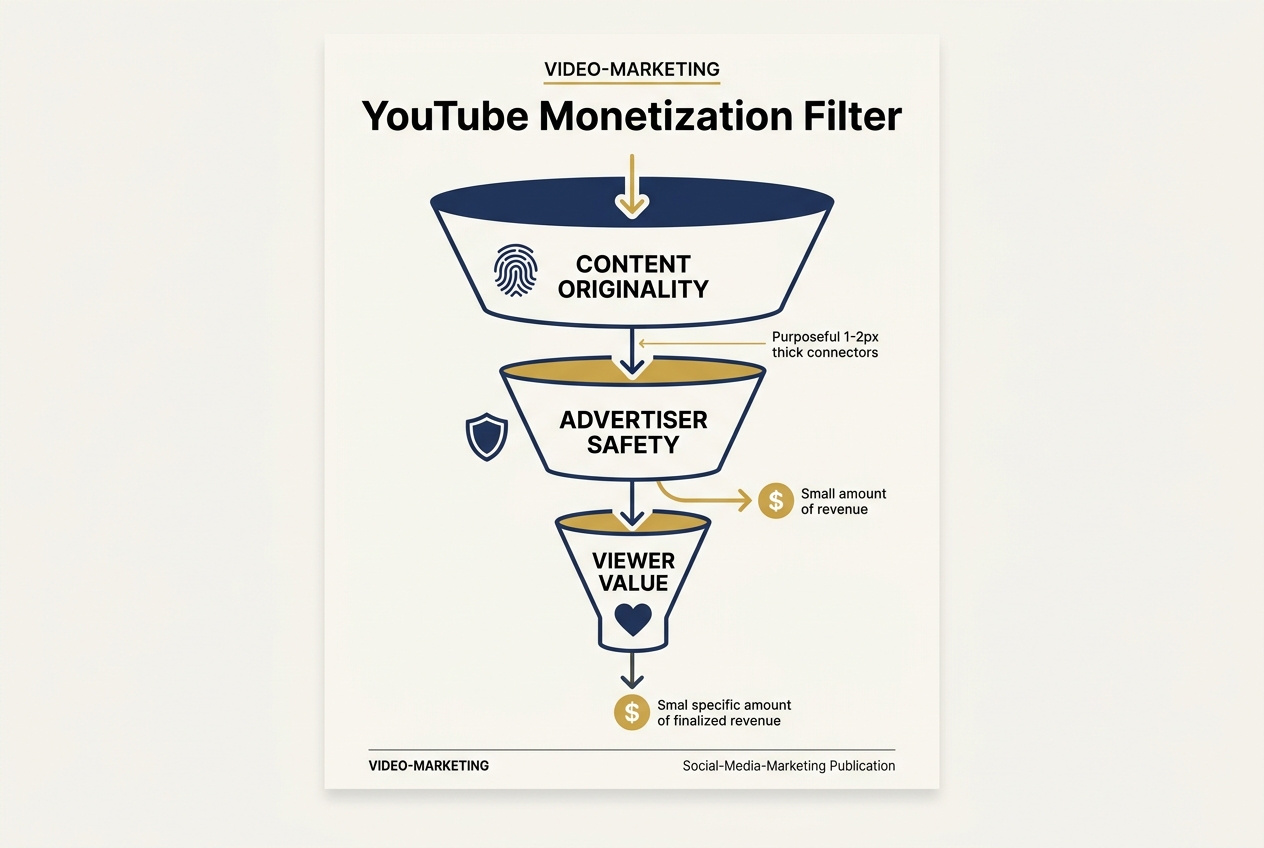
YouTube’s policy now requires creators to use the 'Altered Content' label in the Creator Studio for any media that depicts a real person saying or doing something they didn't do, or realistic-looking synthetic scenes. Failure to do so is no longer just a transparency issue; it is a direct violation of the YouTube Partner Program terms.
What makes this nuanced is the 'realism' threshold. Highly stylized AI—think 3D animations or obviously fantastical landscapes—generally doesn't require the tag. However, the moment you use AI to generate a 'talking head' for a corporate update or a product review, you are in a high-risk category. If the AI-generated voice or face is the primary driver of the content, and it isn't disclosed, YouTube's 'Sensationalist and Dishonest' policy kicks in. The result? Immediate demonetization of the video and a potential strike against the channel.
The 'Safe for TV' Standard
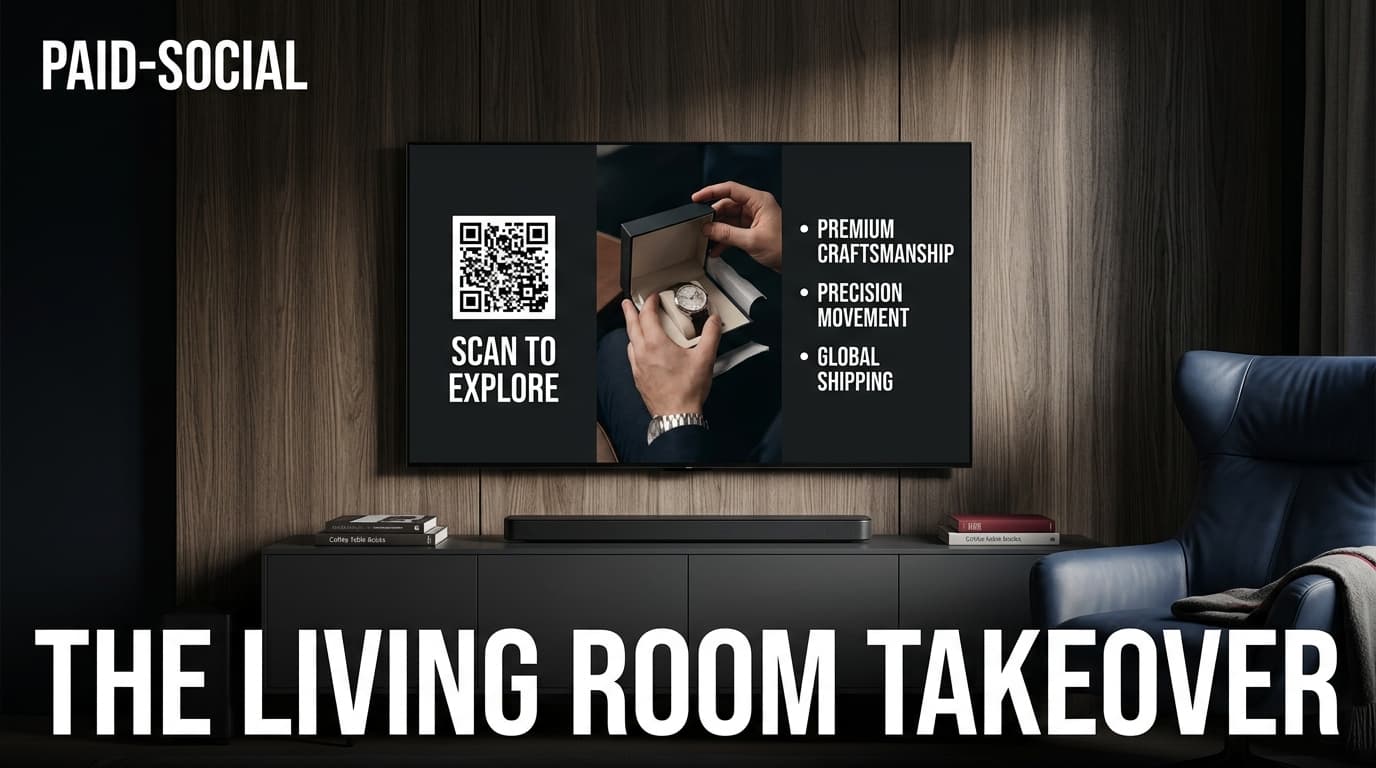
YouTube is no longer just a mobile app; it is a broadcast network. Per recent insights from Social Media Examiner on YouTube on TV, the 'living room' is the platform's fastest-growing screen. This shift has forced YouTube to align its monetization rules with the expectations of Fortune 500 advertisers who want their ads appearing next to 'TV-quality' content.
This 'Safe for TV' standard has led to a tightening of the 'Controversial Issues' and 'Sensitive Events' policies. In the past, you could discuss industry news—say, a major agency merger or a shift in Havas's AI-first revenue strategy—with relative freedom. Now, if the algorithm detects 'gratuitous' discussion of sensitive topics or use of 'non-advertiser-friendly' language in the first 30 seconds, the video is instantly moved to 'Limited or No Ads' status.
For B2B brands, the risk is often 'Inappropriate Language.' Even a single 'strong' word used for emphasis in a high-energy keynote can trigger the filter. The platform's automated speech-to-text is more accurate than ever, and it doesn't care about context as much as it cares about the brand safety score. If you want the high CPMs associated with TV-screen viewership, you have to produce for the TV-screen audience: clean, high-production, and strictly adhering to the G-rating for the first minute of every upload.
Auditing Your Backlog: The Three-Step Process
Most creators think they are safe because their recent uploads are compliant. This is a dangerous assumption. YouTube’s compliance bots are perpetually crawling the entire database. A video you posted in 2021 that used a then-popular but now-banned background music track, or a series of 'automated' news updates from 2023, can still trigger a channel-wide review.
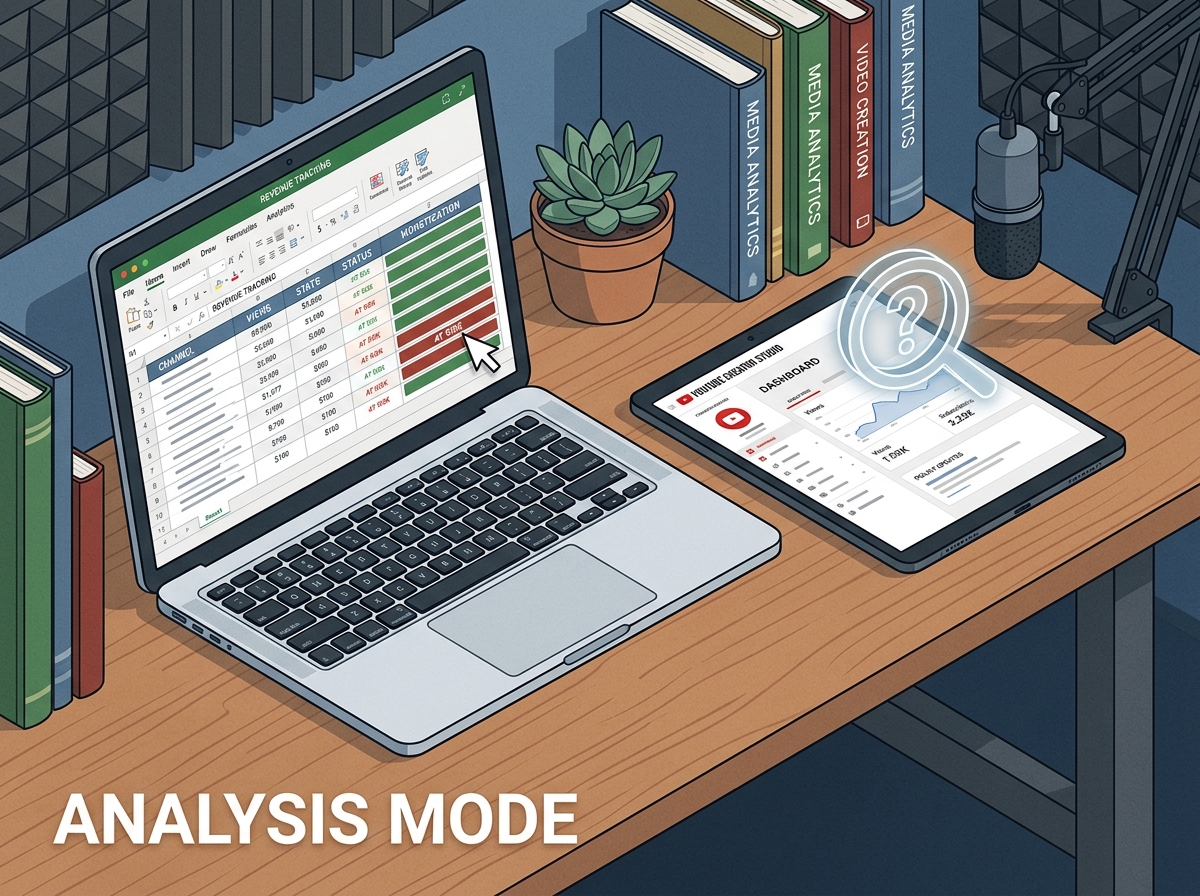
To protect your revenue, you must perform a quarterly audit. Start by sorting your content by 'Most Viewed' and 'Top Revenue.' These are the videos most likely to be manually reviewed by a human moderator if your channel is flagged. Check for 'Low-Effort' signals: do you have 50 videos with nearly identical titles and thumbnails? If so, it is time to either delete the underperforming ones or group them into a single, high-value compilation.
Next, look at your metadata. YouTube is increasingly sensitive to 'Metadata Spam'—tags in the description that aren't directly related to the video. If you were using the old-school tactic of pasting 50 keywords at the bottom of your description to rank, you are now a target for demonetization. Clean it up. Use SEO best practices for video to ensure your descriptions are human-readable and policy-compliant.
Finally, check your 'Made for Kids' settings. The COPPA (Children's Online Privacy Protection Act) regulations remain a primary reason for sudden demonetization. If your brand content features bright colors, toys, or animated characters—even if intended for adults—the algorithm might misclassify it. If it is misclassified, and you haven't set it to 'Not for Kids,' you are at risk of legal and platform-side penalties.
What This Means for Your Strategy
If you want to survive the 2026 YouTube landscape, you have to stop thinking like a 'content creator' and start thinking like a 'media publisher.' The era of high-volume, low-quality uploads is over. The platform is following the lead of TikTok—where a strong brand presence requires high-engagement, original storytelling (as noted by Social Media Today)—but with a much stricter focus on long-term library value.
Instead of 10 mediocre videos, produce one 'Tentpole' video that provides deep, original insight. If you use AI, use it as a tool for research or B-roll generation, not as the primary 'talent' of the video. Disclosure is your friend; it builds trust with the audience and keeps the algorithm happy.
Remember that monetization is a privilege, not a right. As platforms like Havas and BarkleyOKRP pivot toward 'thoughtful' and 'AI-first' identities, they are looking for premium environments to place their clients' ads. YouTube's policy updates are simply the platform's way of ensuring they remain the top choice for those ad dollars. By aligning your content with these higher standards, you aren't just avoiding demonetization—you are positioning yourself for the highest CPMs available in the digital ecosystem.
Audit your channel today. Don't wait for the 'AdSense Account Disabled' email to realize your 2023 strategy is your 2026 liability.
FAQ