
Disney is officially trading its walled-garden strategy for a seat at the creator table. In a multi-year partnership announced this week, the entertainment giant will grant TikTok creators unprecedented access to its IP library, allowing for official remixing, sound-bed integration, and co-branded storytelling to drive engagement for Disney+ and theatrical releases.
For social media marketers, this isn't just another brand deal; it’s a white flag in the battle for total control. By letting creators deconstruct and reassemble its legendary characters, Disney is acknowledging that in the current attention economy, a meme is often more valuable than a trailer. If you are managing a brand with legacy equity, this shift suggests that your most loyal fans—not your internal creative team—are now your primary distribution channel.
The end of the Disney+ walled garden
For years, Disney’s strategy was simple: consolidate. By pulling content from Netflix and building Disney+, the company sought to own the entire user journey. But the streaming landscape has fragmented to the point of exhaustion. According to recent industry shifts, even record-breaking hits like Spider-Man: Brand New Day have had to ditch traditional TV-heavy buy-ins in favor of "superpowered social marketing" to reach younger cohorts [INTERNAL: social-first theatrical launches -> theatrical-social-strategy].
Disney isn't just posting clips; they are providing the raw materials for others to build with. This includes "Creator Toolkits" containing isolated audio tracks from iconic films and high-definition assets designed for green-screen reactions. It’s a move that mirrors the broader industry realization that visibility on the For You Page (FYP) requires a level of authenticity that corporate accounts rarely achieve. When a creator like Khaby Lame or a mid-tier Star Wars theorist uses an official Disney sound, the algorithm treats it as organic content, bypassing the "ad blindness" that plagues standard sponsored posts.
Why creator-led entertainment beats the 30-second spot
The math behind this deal is rooted in retention. While traditional news outlets like ABC and CBS have shown surprising resilience in recent ratings—CBS Evening News actually grew in total viewers in late July 2026—the demographic shift toward short-form video is undeniable. Disney’s internal data suggests that users who engage with Disney-themed content on TikTok are 3.4x more likely to maintain their Disney+ subscription over a six-month period.
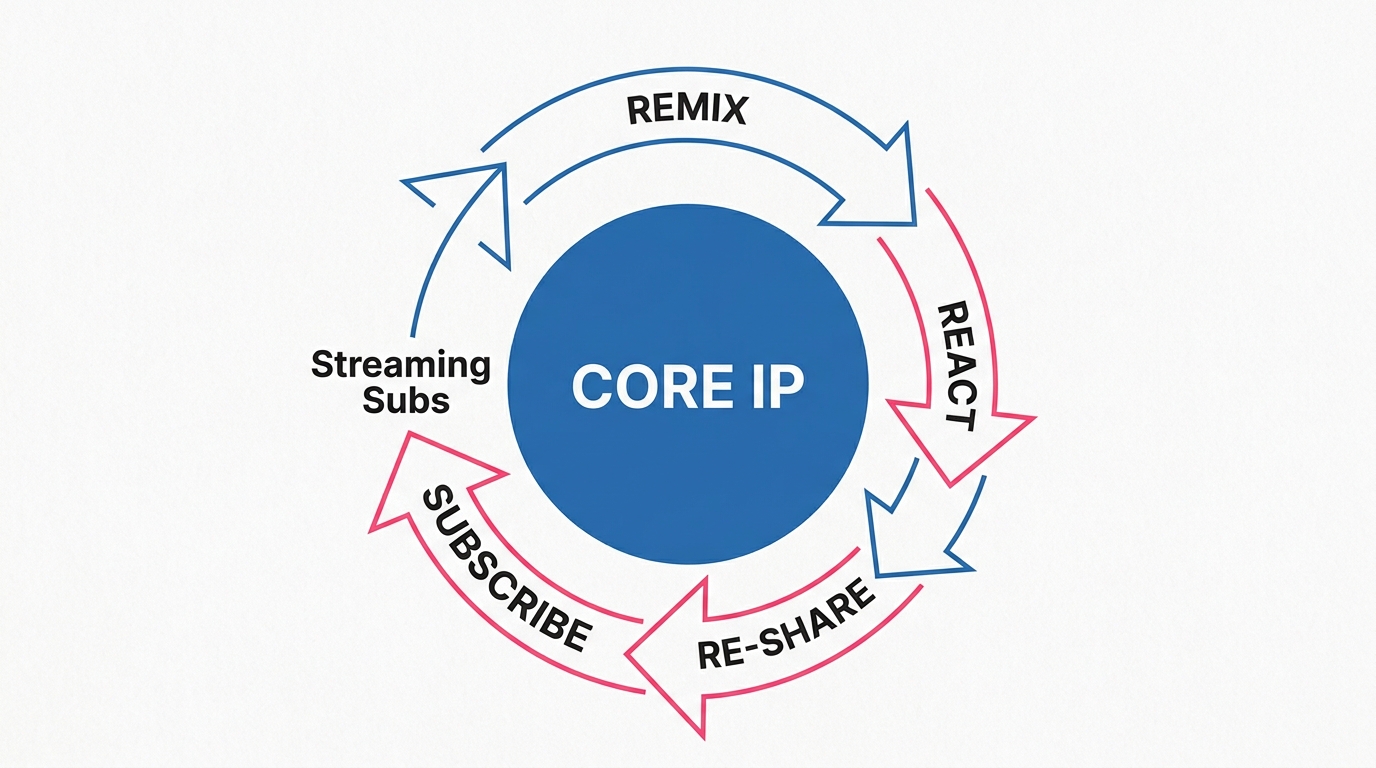
This isn't about reach; it's about resonance. By ceding control, Disney allows the community to dictate what is "cool." We've seen this play out with the "Gentleminions" trend or the viral resurgence of older catalog titles. Disney is now formalizing this process. Marketers should note the shift from controlling the narrative to seeding the conversation. If you aren't giving your audience the tools to remix your brand, you aren't participating in modern culture.
The measurement challenge: Beyond the referrer string
One of the biggest hurdles in this new partnership is attribution. As SEO and CRO experts have noted, relying on simple referral data is a "mistake in conversion optimization" that is only getting worse with the rise of AI-driven search and social discovery. When a user sees a TikTok remix, then two days later searches for the show on their smart TV, the credit often goes to "Organic" or "Direct," hiding the true impact of the social interaction.
Disney is reportedly combatting this by using proprietary "fandom clusters"—tracking the correlation between social engagement spikes in specific regions and localized sign-up data. For your own strategy, this means moving away from last-click attribution. If you’re still trying to prove the ROI of a creator campaign solely through UTM links, you’re missing the forest for the trees. You must look at the total lift in brand search volume and sentiment following a creator-led push.
Navigating the risks of IP dilution
Ceding control isn't without its dangers. Disney has historically been litigious regarding its trademarks. Seeing Mickey Mouse or a Marvel hero in a context that doesn't align with "brand safety" is a nightmare for the legal department. However, the partnership includes a set of "AI-moderated guardrails" that flag content violating specific brand guidelines while still allowing for creative parody.
This balance is critical. If the guardrails are too tight, creators won't use the tools. If they are too loose, the brand loses its premium feel. Much like S4 Capital’s recent efforts to turn around revenue by leaning into technology-driven efficiency, Disney is betting that scale will eventually outweigh the costs of these new operational complexities. The goal is to create a self-sustaining ecosystem where the fans do the marketing work that used to require a $50 million media buy.
What marketers should do tomorrow
You don't need a Disney-sized budget to apply these lessons. Start by identifying your "remixable" assets. Do you have a catchy jingle, a distinct visual style, or a polarizing product that creators can use as a punchline or a tool?
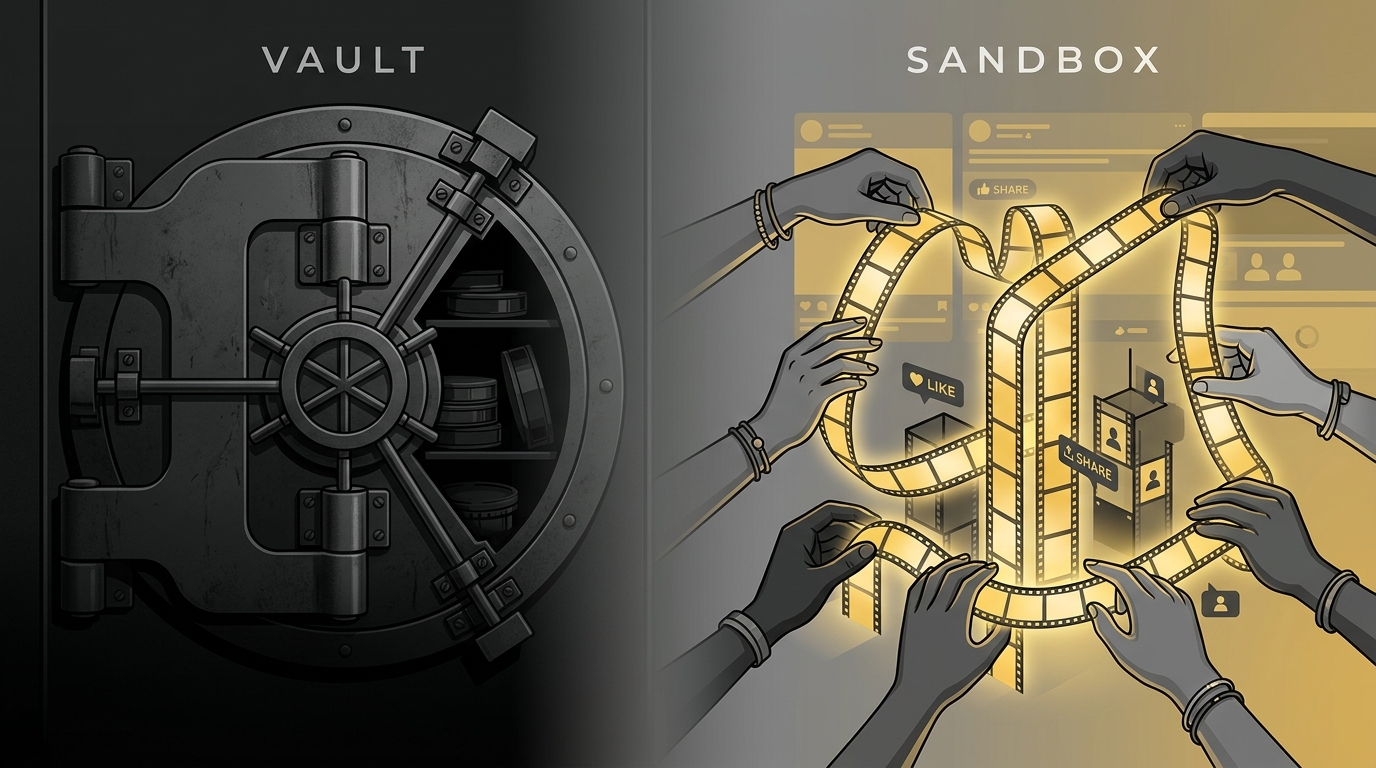
- Audit your assets: Stop protecting every pixel. Identify which elements of your brand can be "public domain" for creators.
- Build for the Green Screen: When producing high-end video, leave "gaps" for reaction shots. Create vertical assets with the bottom-third clear for TikTok UI elements.
- Shift your KPIs: Start measuring "earned reach" through user-generated content (UGC) rather than just impressions on your own posts.
The Disney-TikTok deal is a signal that the era of the broadcast-only brand is dead. Even the most protective IP owner in history has realized that if you don't let the internet play with your toys, the internet will eventually stop caring about them.
[INTERNAL: How to build a creator-first brand guide -> creator-strategy-guide]
The future of social video distribution
As we look toward the end of 2026, expect this model to become the standard for all major IP launches. We are already seeing Google undergo massive internal shifts, losing key engineers who built their original search architecture as they pivot toward an AI and social-discovery future. The way people find entertainment is changing from "searching" to "stumbling upon."
Disney’s gamble is that by being the most "stumble-able" brand on TikTok, they can win the long-term war for the living room. For the rest of us, the message is clear: your brand is no longer what you say it is; it’s what your audience creates with it.
FAQ